The Rise Of LGBTQ+ Soap Fandoms And Why Online Communities Matter More Than Ever

Content warning: This article includes brief references to mental health, suicide statistics and online harms.
LGBTQ+ soap fandoms have become one of the most active parts of modern television culture, changing how audiences interact with British soaps in 2026.
What once lived mainly on message boards and smaller fan forums has now moved across TikTok, X, Reddit, Instagram and private fan groups. Viewers no longer simply watch an episode and wait for the next one. They react in real time, create edits, discuss spoilers, analyse scenes and build communities around their favourite characters and couples.
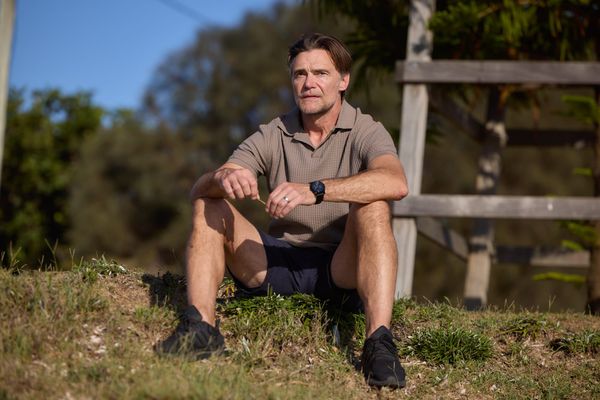
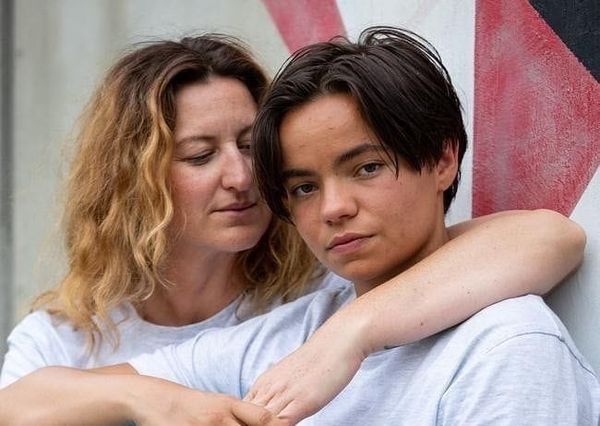
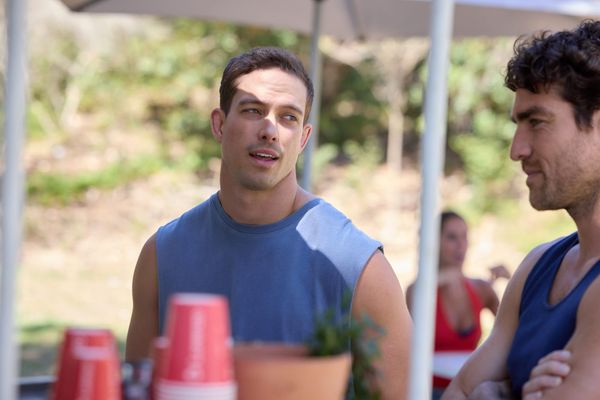
Soap pairings including Suki and Eve in EastEnders, Aaron and Robert in Emmerdale, and Carla and Lisa Connor Swain in Coronation Street have become major talking points online. Their storylines often drive strong engagement because they give viewers relationships to follow beyond a single episode. A kiss, a reunion, a wedding, a painful argument or a quiet moment of support can quickly become the centre of online discussion.
For many LGBTQ+ viewers, these fandom spaces are about far more than television. They can become places of friendship, recognition and shared experience. Many people remember the first time they saw a queer relationship on mainstream television and felt understood in a way they had not experienced before. When that connection happens through a soap, it can feel even more personal because these characters are part of viewers’ everyday routines.
That emotional connection naturally carries into fandom culture.
The growth of LGBTQ+ soap fandoms also reflects wider changes in British society. According to the Office for National Statistics, around 3.8 percent of the UK population aged 16 and over identified as lesbian, gay or bisexual in 2023, up from 2.2 percent in 2018. Among 16 to 24 year olds, the figure was 10.4 percent. Stonewall also noted that bisexual identification among 16 to 24 year olds more than doubled from 2.8 percent to 7.5 percent between 2018 and 2023.
As more people identify openly, it makes sense that online LGBTQ+ fan spaces have become more visible, more active and more influential. Viewers are not only looking for representation on screen. They are also looking for somewhere to discuss it, celebrate it and connect with others who understand why it matters.
This is especially clear with long running soaps. EastEnders, Emmerdale, Coronation Street and Hollyoaks are not short dramas that disappear after a few episodes. Their characters can stay on screen for years, allowing viewers to follow relationships through ordinary domestic scenes as well as major dramatic moments. For LGBTQ+ viewers, that long form storytelling can be powerful because it allows queer characters to exist as part of family life, community life and everyday soap drama.
Sukeve's journey in EastEnders has given viewers a story about secrecy, identity, marriage and rebuilding a future. RobRon's history in Emmerdale remains one of the most recognised male soap pairings of the modern era. Swarla in Coronation Street have built a passionate following because their relationship gives viewers a mature, complex and emotionally grounded lesbian pairing in a major ITV soap.
These fandoms do not only celebrate romance. They also create space for viewers to talk about family acceptance, grief, coming out, identity, trauma, recovery and hope. A storyline can start as entertainment, but the discussion around it often becomes much wider.
But the rise of online fandom also sits within a more complicated digital landscape for young people. The Digital Youth Index 2023 found that 14 percent of young people lack access to a laptop or desktop computer for learning, equal to around 2 million young people across the UK. It also highlighted how digital access is closely tied to young people’s opportunities, confidence and wellbeing.
More recent online wellbeing research from Internet Matters found that most children still feel safe online, but that sense of safety has fallen. Its 2025 index reported that 77 percent of children said they felt safe online, down from 81 percent the previous year. Vulnerable children were less likely to feel safe than their non vulnerable peers, at 70 percent compared with 79 percent.
Those figures matter because online fandom is not separate from wider digital life. The same platforms that allow fans to build friendships, share creativity and find community can also expose younger users to harmful content, bullying, misinformation or hostile debate. LGBTQ+ fandom spaces can be supportive and joyful, but they still exist inside platforms that need stronger safety standards.
The UK is also moving towards tighter rules for online spaces used by children and teenagers. Debate around age restrictions and safer platform design shows why the future of social media matters so much. For LGBTQ+ young people, the discussion needs to be handled carefully. Protection from online harm is important, but so is recognising that online spaces can be lifelines for young people who do not always have support offline.
For LGBTQ+ young people specifically, the stakes are high. The 2024 UK Report on the Mental Health of LGBTQ+ Young People, based on more than 9,600 respondents, found serious concerns around wellbeing. More than half of LGBTQ+ young people surveyed had seriously considered suicide in the past year, with higher rates among trans and non binary young people. The report also linked poorer wellbeing to discrimination, lack of affirming spaces and the absence of trusted adults.
This is part of why LGBTQ+ soap fandoms matter so deeply. They can offer something many young people struggle to find offline: belonging, validation and a shared emotional language. When a storyline resonates, whether it is a kiss, a reunion, a wedding or a moment of courage, it can become more than television. It can become a point of connection.
Unlike traditional television audiences, modern soap fandoms are highly organised and vocal. Fans campaign for more screen time, stronger writing and better continuity for LGBTQ+ characters. Some storylines generate daily hashtags, while viewers analyse every scene, spoiler release and behind the scenes detail.
The speed of social media means major moments become visible almost instantly. Wedding episodes, dramatic kisses, emotional confrontations and surprise reunions are clipped, quoted and discussed within minutes of airing. Fans notice continuity details, compare old scenes, celebrate anniversaries and keep storylines alive between episodes. In some cases, fan created content can attract more attention than official broadcaster promotion.
That level of engagement is valuable for soaps. It shows that LGBTQ+ characters and relationships are not side stories to be treated as optional extras. They are central to how many viewers connect with the genre. When written with care, these stories build loyalty and bring audiences back because viewers want to see what happens next.
But fandom culture can also become intense. Debates over representation, chemistry, screen time and storyline decisions frequently divide audiences online. Fans often feel deeply protective over characters they have followed for years, particularly when relationships are broken apart or major LGBTQ+ stories disappear for long periods.
This is why healthier fandom spaces matter. Strong moderation, respect for other viewers and awareness of younger fans all play a part. LGBTQ+ soap fandoms are at their best when they create community without turning every disagreement into a fight. Viewers can care deeply about a couple or character while still allowing room for different opinions.
The strongest LGBTQ+ soap fandoms work because they combine representation with emotional investment. People are not only supporting a fictional couple. They are supporting the idea that queer stories deserve space, depth and longevity on mainstream television.
As British soaps continue evolving, LGBTQ+ fandoms remain one of the clearest signs that representation matters. They offer joy, discussion, creativity and community. They also show broadcasters that viewers are paying attention to how LGBTQ+ characters are written, promoted and treated over time.
Online spaces are not perfect, and they need to be safer for young people and vulnerable users. But at their best, LGBTQ+ soap fandoms can offer something meaningful. They turn television into connection. They give viewers a place to celebrate stories that feel personal.
Most importantly, they remind soaps that queer characters do not only matter during headline moments.
They matter every day, in the scenes, relationships and communities that viewers continue to care about long after the credits roll.
Help and support - If you have been affected by any of the issues mentioned in this article, support is available. Samaritans are there day or night, 365 days a year. You can call free on 116 123 or visit samaritans.org. If you are in immediate danger, call 999.