Why The L Word still means so much to LGBTQ+ viewers
Discover why The L Word still matters, with a guide to its cast, characters, LGBTQ+ legacy, filming locations and sequel series Generation Q.


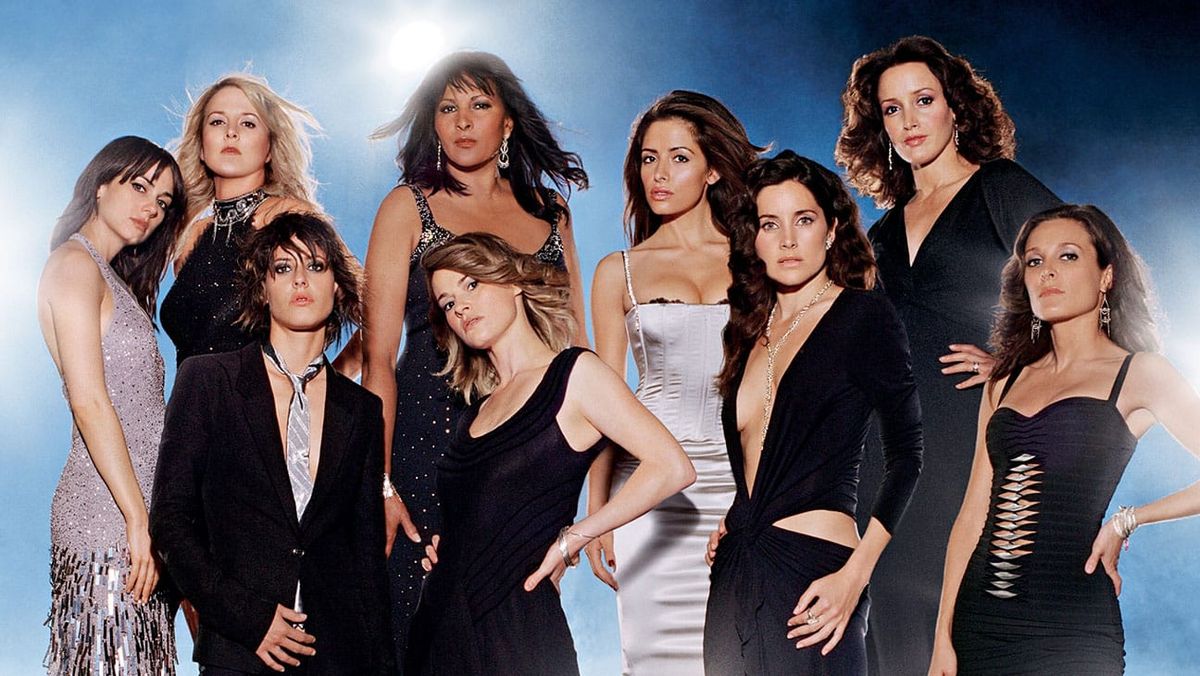
A coffee at The Planet rarely stayed just a coffee. Someone would arrive with a new girlfriend, someone else would recognise her, and Alice would probably know exactly how she connected to everybody at the table.
That mix of friendship, attraction and gloriously complicated personal lives made The L Word addictive television. When it launched in 2004, it also offered something unusually significant: a drama in which lesbian and bisexual women occupied the centre of the story, with careers, families and relationships that mattered beyond a coming-out episode.
More than twenty years later, viewers still debate Bette and Tina, fall for Shane and disagree about Jenny. The series has its flaws, but its characters helped create a television community that many people had never experienced on screen before.
What is The L Word about?
Set in Los Angeles, the series follows a friendship group whose romantic and professional lives constantly overlap. Its starting point is aspiring writer Jenny Schecter, who moves in with her boyfriend Tim Haspel and meets their neighbours, Bette Porter and Tina Kennard.
Through Bette and Tina, Jenny encounters a community that prompts her to question the future she had planned. Her attraction to café owner Marina Ferrer begins a complicated exploration of sexuality, loyalty and identity that draws her into the wider group.
Around her, established relationships are already facing pressures of their own. Bette and Tina want to become parents, tennis player Dana Fairbanks worries about coming out, and Shane McCutcheon attracts attention while struggling with the expectations that follow it.
The pleasure comes from watching those stories collide. An ex rarely disappears completely, friends take sides, and a private decision can become everybody’s business before the next round of coffees arrives.
Bette and Tina give the drama its emotional pull
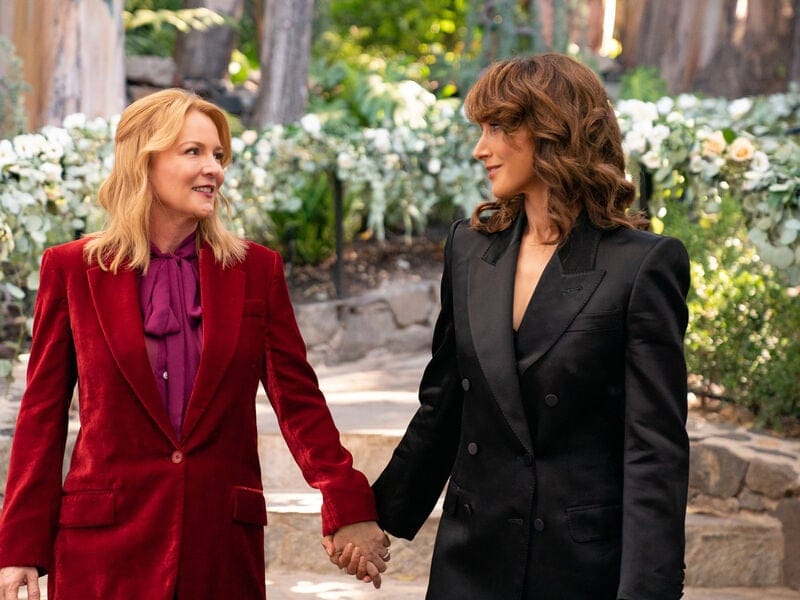
Jennifer Beals plays Bette with an authority that makes her compelling even when she is behaving badly. Ambitious and passionate about art, Bette can command a room while finding it much harder to listen to the person closest to her.
Laurel Holloman’s Tina brings a different energy to their relationship. Their early efforts to start a family expose questions about money, work and whose needs take priority, giving the partnership tensions that extend beyond romance.
Their chemistry helps explain why the relationship inspires such investment. Viewers can understand why these women want to be together while also seeing the habits that threaten to pull them apart.
Across the series, love is rarely presented as enough on its own. Bette and Tina must contend with betrayal, changing ambitions and the difficult business of rebuilding trust, making them one of the show’s most enduring talking points.
Shane, Alice and Dana make the friendship group work
Katherine Moennig’s Shane became one of the programme’s most recognisable characters through her androgynous style, quiet confidence and apparently effortless appeal. Yet the series gradually reveals the distance between being comfortable with desire and being ready for commitment.
Shane is often more dependable as a friend than as a partner. That distinction gives her warmth and vulnerability beneath the cool exterior, even when her romantic decisions leave damage behind.
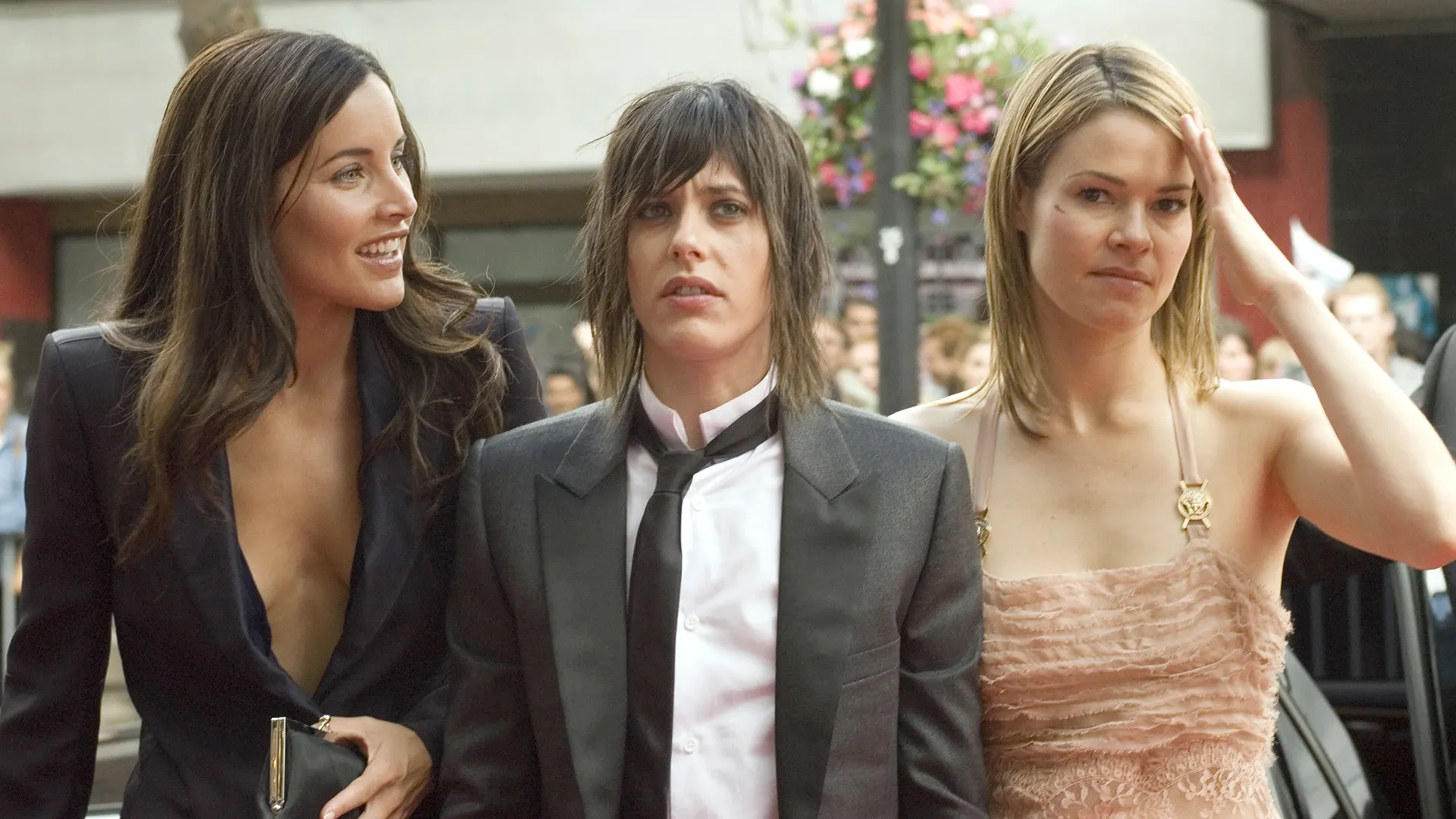
Leisha Hailey’s Alice supplies much of the humour, particularly through her fascination with the connections between women in their social circle. Her famous relationship chart turns that curiosity into a running feature of the show, mapping a community in which almost everyone seems linked.
Alice also has an emotional openness that becomes increasingly important. Her friendship with Dana, played by Erin Daniels, allows the drama to move between comedy, uncertainty and genuine tenderness.
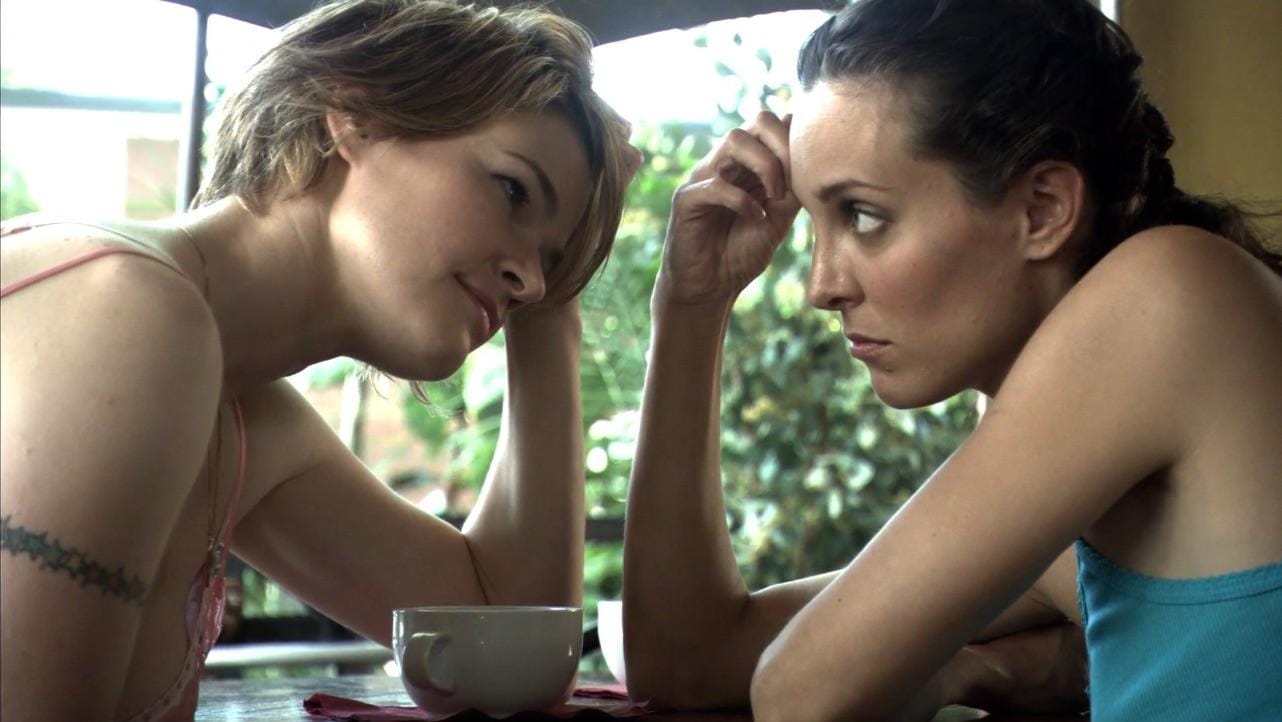
Dana’s position as a professional tennis player gives her story particular stakes. She wants intimacy and acceptance but fears what being openly gay could mean for her career, creating a tension between public success and private freedom.
Why Jenny remains so divisive

Mia Kirshner’s Jenny begins as an outsider, making her a natural introduction to the world of the series. Her early uncertainty gives viewers a character who is also trying to understand unfamiliar feelings and relationships.
As the seasons progress, her writing career, experiences of trauma and desire for recognition become increasingly entangled. Vulnerability sits alongside cruelty and self-absorption, and her behaviour grows harder for the people around her to tolerate.
Some viewers find that unpredictability fascinating, while others struggle with how far the story takes her. Either way, Jenny becomes central to the programme’s shift from intimate relationship drama towards more extravagant melodrama.
The wider cast brings more than romance
Pam Grier plays Kit Porter, Bette’s half-sister, whose experiences as a musician and struggles with addiction bring family history and recovery into the drama. Her involvement with The Planet also places her at the centre of the group’s social world.
Rachel Shelley’s Helena Peabody arrives with money and influence, but her changing circumstances allow different sides of her personality to emerge. Sarah Shahi’s Carmen de la Pica Morales becomes an important part of Shane’s life, bringing their conflicting expectations of a relationship into focus.
Later, Rose Rollins’s Tasha Williams introduces a story shaped by military service under the United States’ “Don’t Ask, Don’t Tell” policy. Marlee Matlin’s Jodi Lerner, a deaf artist, challenges Bette’s assumptions about communication and control within a relationship.
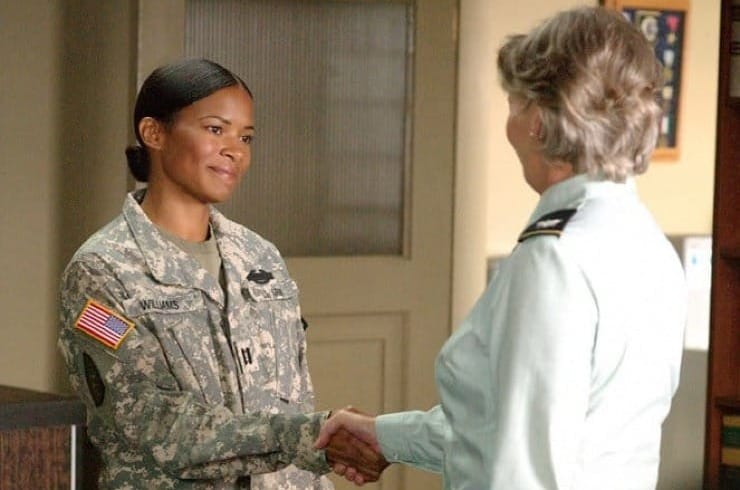
These characters give the series room to explore different pressures on its central community. Work, family, class and public expectations all affect what its women can ask of one another.
Why its LGBTQ+ visibility mattered
The L Word was not the first television programme to feature lesbian or bisexual women. What distinguished it was the opportunity to follow an entire ensemble over multiple seasons, allowing their lives to develop beyond a single issue or relationship.
Its characters could want children, fight over work, pursue sex, grieve a friend or make a spectacularly poor decision. Sexuality mattered, but it did not have to explain every part of who they were.
For viewers without an LGBTQ+ community nearby, the friendships could be as meaningful as the romances. The sight of women gathering somewhere they belonged offered a picture of connection that television had rarely sustained at this scale.
The series also took attraction between women seriously as a source of pleasure, excitement and emotional risk. Its glossy approach was not universally welcomed, but it gave lesbian relationships a prominence that many viewers had long wanted.
The parts that deserve a closer look
The original series presents a selective version of LGBTQ+ life, with much of its attention focused on affluent, conventionally attractive women. Its Los Angeles is engaging television, but it should not be mistaken for a complete portrait of the city’s communities.
Its approach to bisexuality is sometimes inconsistent. Alice’s identity provides visibility, while other dialogue and storylines reproduce assumptions that bisexuality is temporary or less legitimate.
The treatment of Max, a trans man played by Daniel Sea, is another significant weakness. The framing of his transition and the hostility surrounding him have drawn criticism for reinforcing stereotypes rather than giving him the understanding afforded to other characters.
Acknowledging those problems does not erase what viewers found valuable in the series. It helps explain why its legacy includes both affection and frustration, particularly among people who wanted its promise of inclusion to extend further.
Where was The L Word filmed?
The original series is set in Los Angeles but was filmed primarily in Vancouver, British Columbia. Canadian locations stood in for much of the Californian world viewers see, alongside selected Los Angeles filming and establishing footage.
That distinction matters if you are hoping to visit places from the programme. A scene presented as a Los Angeles café, home or workplace may have been filmed in an entirely different city.
The Planet remains the show’s defining meeting place because of what happens there. It gives the friendship group a shared home beyond their individual apartments and relationships, somewhere familiar enough for both everyday gossip and life-changing conversations.
How many seasons are there?
The original The L Word contains 70 episodes across six seasons, broadcast on Showtime between January 2004 and March 2009. It was created by Ilene Chaiken, Michele Abbott and Kathy Greenberg.
The final season takes the drama into a divisive mystery storyline. For new viewers, it is worth knowing that the programme’s tone becomes more heightened as it progresses, while its strongest appeal remains the connections between its characters.
What is The L Word Generation Q?
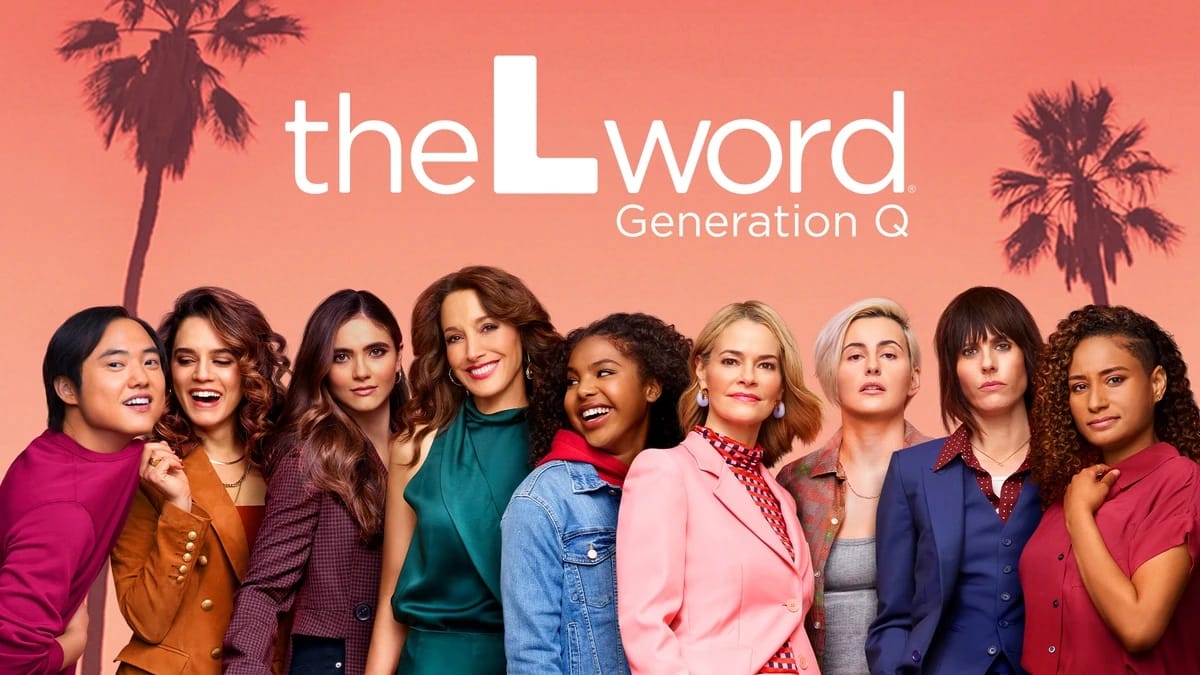
The L Word: Generation Q continues the franchise with Bette, Shane and Alice alongside a younger group of characters. It ran for three seasons, beginning in December 2019 and concluding its broadcast run in January 2023.
The sequel broadens the central ensemble and gives more space to trans characters and characters of colour. It also explores how the returning favourites handle new stages of their careers, relationships and family lives.
Watching the original first gives those returning stories greater emotional weight. Generation Q introduces its own world, but part of its appeal lies in recognising old habits and discovering whether familiar characters have learned from them.
Where to watch The L Word in the UK
Where to watch: UK streaming availability needs checking before subscribing, as the original series and Generation Q can have different listings and licensing arrangements.
Watch Generation Q trailer here:
A lasting place in LGBTQ+ television
The L Word helped make lesbian and bisexual women’s lives the centre of a continuing television drama, with friendships that mattered as much as the romances. Its representation was not always even, but its characters gave many viewers a sense of recognition and belonging they had rarely found on screen.
More than twenty years later, its appeal still lies in those complicated relationships, memorable performances and conversations around the table at The Planet. Whether discovering it for the first time or returning to familiar favourites, there is still plenty to enjoy, question and argue about.
All image credits: Showtime/The L Word