Sharice Davids Wins Fifth Term and Extends Historic LGBTQ+ Career
LGBTQ+ and Native American congresswoman Sharice Davids wins a fifth term in Kansas, extending her historic political career.

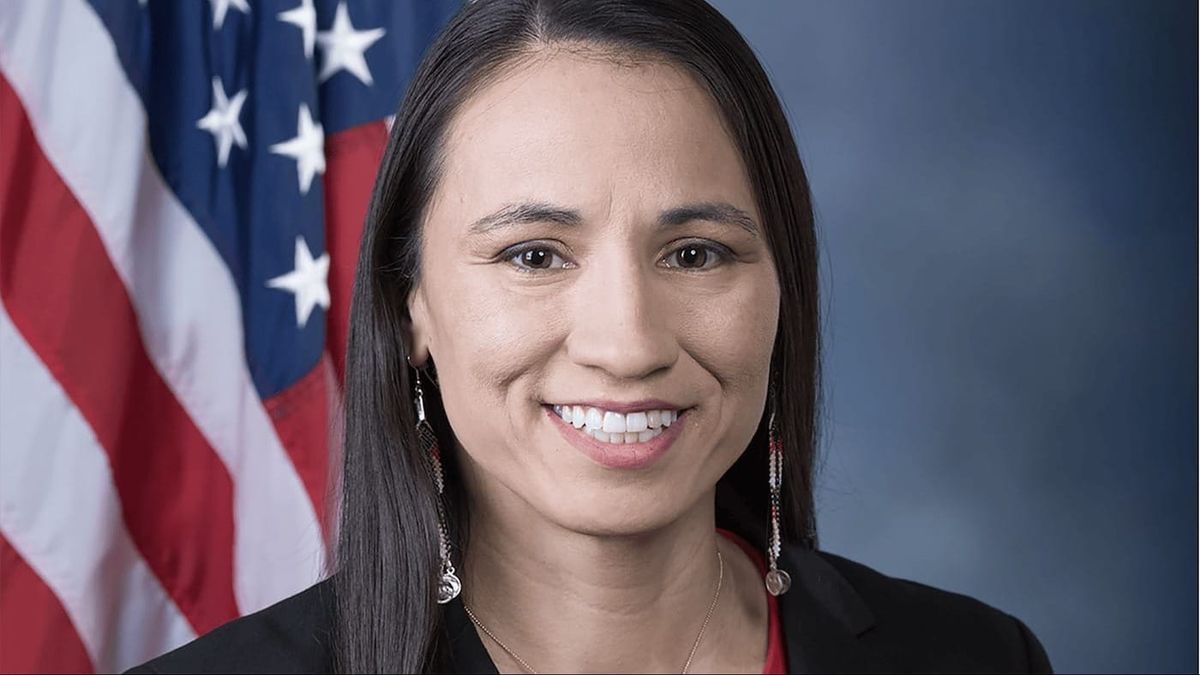
Sharice Davids has secured a fifth term in the United States Congress, extending her record-breaking political career and strengthening LGBTQ+ and Native American representation in Washington.
The Kansas Democrat defeated Republican Eric Jenkins and Libertarian Steve Hohe in the November 3 midterm elections, winning approximately 60.1% of the vote in the latest reported results.
Davids first entered Congress in January 2019 after an election that made history for two communities.
Alongside Deb Haaland of New Mexico, she became one of the first two Native American women elected to Congress. Davids was also the first openly LGBTQ+ person elected to Congress from Kansas and the first openly LGBTQ+ Native American member of Congress.
A citizen of the Ho-Chunk Nation, she has since become the longest-serving Native American woman in the history of the US Congress.
Her career before entering politics was equally varied. Davids trained as a lawyer at Cornell University, competed professionally in mixed martial arts and served as a White House Fellow.
She has also worked with Native American communities on economic development and opportunities for tribal nations.
During her latest election campaign, Davids concentrated on the rising cost of living, including groceries, fuel, housing and prescription medicines.
She has supported expanding access to healthcare, protecting reproductive rights and improving infrastructure across Kansas.
Her victory comes despite changes to the boundaries of the state’s 3rd Congressional District, which had altered the political landscape ahead of previous elections.
Davids will begin her fifth term in January 2027, having represented the district continuously since 2019.
For LGBTQ+ and Indigenous Americans, her career demonstrates the importance of political representation that extends well beyond the groundbreaking elections that first brought candidates into office.