Sandi Toksvig backs Mappa Mundi project to challenge Wikipedia bias and AI knowledge gaps
Sandi Toksvig is backing Mappa Mundi, a University of Cambridge-linked project challenging Wikipedia bias and gaps in online knowledge used by AI.

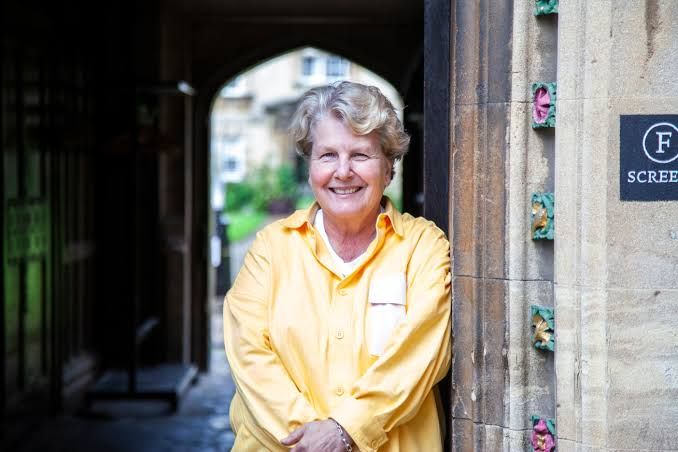
Broadcaster, author and campaigner Sandi Toksvig OBE is leading a new initiative that aims to tackle a growing concern in the age of artificial intelligence: what happens when AI learns from a historical record that often overlooks women.
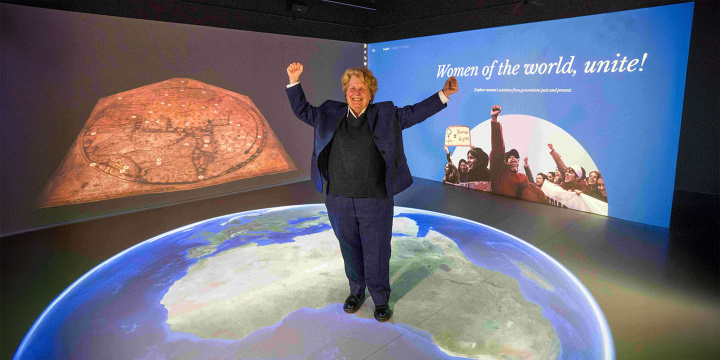
Through the Mappa Mundi Project at the University of Cambridge, Toksvig is backing plans for an interactive digital atlas designed to preserve and amplify women's voices, experiences and achievements that its creators believe have been excluded from traditional accounts of history
The project aims to collect and showcase women's voices, experiences and contributions from around the world through a global digital resource. Initial pilot studies are planned in the UK and Afghanistan, with the long term goal of expanding the platform internationally and creating a richer body of knowledge for future generations.
According to the project's materials, women make up just 0.5% of recorded history despite accounting for half of the world's population. Its founders argue that those historical gaps risk becoming even more significant as artificial intelligence increasingly relies on online information to generate answers, potentially reinforcing existing biases instead of correcting them
To illustrate the scale of the problem, the project highlights several global inequalities. According to the figures published by Mappa Mundi, 36 countries limit what wives can inherit from their husbands, 18 countries allow men to prohibit their wives from working and 17 countries restrict when and how women can travel outside the home. The project also notes that no country has achieved full gender equality.
Rather than creating a traditional online encyclopaedia, Mappa Mundi aims to combine research, storytelling and data to create an educational resource that allows users to explore women's experiences and contributions in new ways. Its founders hope the platform will support learning, inform policymakers and ensure that women's stories are more visible in the digital age.
"Mappa Mundi has a simple but essential goal, to tell women's stories, changing the world by changing the way we look at it," Toksvig said in the project's launch materials.
The project is a collaboration between Cambridge's Leverhulme Centre for the Future of Intelligence and Faculty of Education, with support from organisations including the Women of the World Foundation. Researchers plan to document women's expertise and lived experiences through a range of storytelling methods before developing a proof of concept for the digital atlas.
As AI systems increasingly rely on information already available online, the project argues that improving the visibility of overlooked histories is becoming more important than ever. Whether Mappa Mundi succeeds in reshaping how knowledge is recorded remains to be seen, but its central mission is clear: ensuring that women's stories are seen, heard and remembered.
Images/Sources: Information sourced from the University of Cambridge's official Mappa Mundi Project fundraising and project overview