Ryanair Warns European Airfares May Rise 20% in 2027
Ryanair warns European airfares could rise by up to 20% in 2027 as jet fuel costs increase and airlines face pressure on flight capacity.

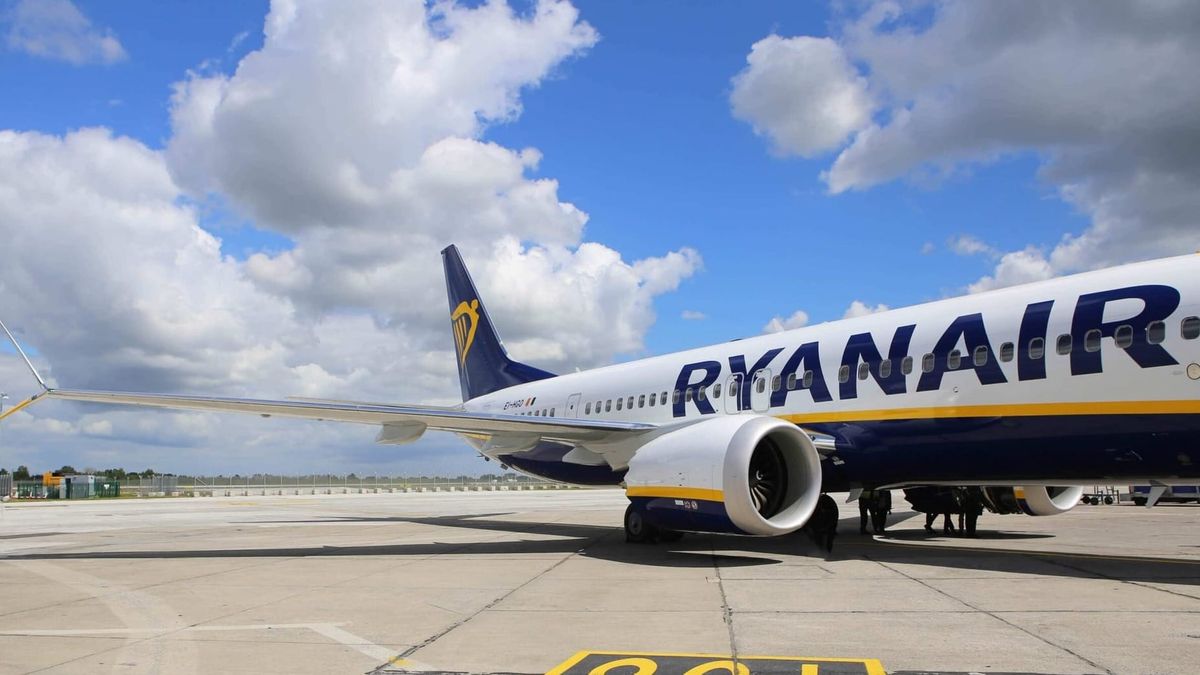
European airfares could increase by as much as 20% in 2027, Ryanair chief executive Michael O'Leary has warned, as airlines face rising fuel costs and the possibility of fewer available seats. The prediction follows a sharp increase in aviation fuel prices linked to the war involving Iran and wider disruption in energy markets.
O'Leary believes the combination of higher operating costs, airline financial difficulties and reduced competition could produce one of the largest increases in European ticket prices. However, the figure remains a forecast rather than a confirmed 20% increase across Ryanair's flights.
Why could European flights become more expensive?
Jet fuel is one of the largest operating expenses for airlines, meaning sustained price increases can have a major effect on profitability. Aviation fuel costs have risen sharply during 2026, placing pressure on carriers already managing aircraft, staffing and airport expenses.
Many airlines protect themselves against sudden changes through fuel hedging, which involves arranging future purchases at agreed prices. This provides some certainty about costs, although the protection depends on how much fuel has been covered and when those agreements expire.
Ryanair has approximately 80% of its fuel requirements hedged at around $67 per barrel until March 2027. From April, however, the airline has only around 15% of its requirements covered at approximately $85 per barrel.
That means a much larger proportion of its future fuel purchases could be affected by prevailing market prices. If fuel remains expensive, the additional costs may eventually be reflected in the fares passengers pay.
Could some airlines reduce their flights?
O'Leary has also warned that sustained financial pressure could contribute to airline failures and consolidation within the European aviation industry. If carriers withdraw routes, reduce schedules or merge with competitors, passengers may have fewer alternatives when booking particular journeys.
Reduced competition can affect ticket prices, especially on routes where only a small number of airlines operate. Popular holiday destinations may also become more expensive during peak periods if the number of available seats falls.
Ryanair has separately announced reductions to its Belgian winter schedule, removing 20 routes and more than one million seats in response to higher aviation taxes. Those changes concern a specific market and should not be confused with a confirmed Europe-wide reduction in flights.
The Belgian decision nevertheless demonstrates how higher operating costs and taxation can influence airline schedules. Similar pressures could affect other carriers if the current fuel-price situation continues.
What would a 20% increase mean for UK holidaymakers?
A 20% increase would add £20 to a flight currently costing £100, taking the price to £120. A return fare costing £250 would rise to £300 if the full predicted increase were applied.
For a family purchasing four return flights at £250 each, that would mean paying £1,200 instead of £1,000. The additional £200 could make a noticeable difference to the overall cost of a holiday, particularly when accommodation and other travel expenses are already expensive.
These figures are illustrations rather than confirmed future prices. Airfares vary according to destinations, departure dates, demand and competition, meaning some routes could experience larger increases while others remain more affordable.
Should travellers book their 2027 flights now?
The warning gives holidaymakers another reason to examine their travel budgets carefully, but it does not necessarily mean booking immediately will secure the lowest price. Airlines frequently adjust fares, and the cost of a particular journey can change depending on how many seats remain available.
Travellers may benefit from comparing nearby airports, considering alternative departure dates and checking prices across different airlines. Baggage charges, seat reservations, transfers and accommodation should also be included when comparing the total cost of a holiday.
Anyone booking far in advance should review the ticket's cancellation and amendment conditions before paying. A cheaper fare may offer less flexibility if travel plans change.
O'Leary's prediction reflects the uncertainty facing European aviation as airlines prepare for 2027 with higher fuel costs and questions about future capacity. Whether fares rise by the full 20% will depend on energy prices, airline competition and passenger demand over the coming months.
For now, the warning is a forecast about possible future travel costs, not an announced increase that automatically applies to every Ryanair booking. British travellers planning holidays next year can use it as one factor when setting budgets and comparing available flights.