Royal British Legion Stands by Pride Poppy After Criticism Over Rainbow Badge
The Royal British Legion has defended its £8 Pride poppy after criticism, highlighting the contribution of LGBT veterans and where to buy the badge.

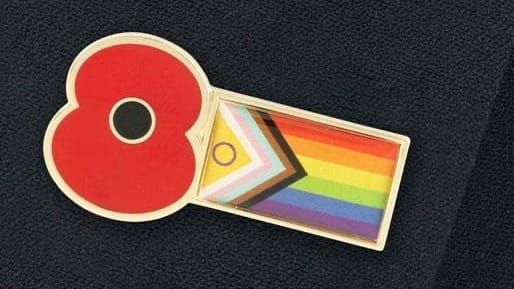
The Royal British Legion has defended its Pride poppy after a Reform UK councillor criticised the rainbow-themed remembrance badge, highlighting the contribution of LGBT personnel who served in Britain’s Armed Forces despite facing discrimination.
Joseph Boam, who represents Whitwick on Leicestershire County Council, criticised the badge ahead of this year’s remembrance commemorations, accusing the charity of bringing politics into an occasion intended to honour military personnel.
The Royal British Legion rejected that interpretation, maintaining that recognising LGBTQ+ veterans is consistent with remembrance and acknowledging the experiences of people whose service was affected by historic restrictions.
Why has the Pride poppy attracted criticism?
Boam questioned the inclusion of Pride colours in remembrance merchandise, arguing that the traditional poppy should remain separate from political and social campaigns.
His criticism prompted the Royal British Legion to defend the badge, which recognises LGBTQ+ members of the Armed Forces community, including those who experienced discrimination because of their sexuality or gender identity.
The Pride poppy is sold alongside the traditional red poppy rather than replacing it, allowing supporters to choose how they wish to commemorate military service.
The charity’s position reflects the contribution made by personnel from different backgrounds, including those who served during periods when military regulations prevented them from being open about their personal lives.
Why is the Pride poppy significant to LGBT veterans?
Until January 2000, lesbian, gay and bisexual people were prohibited from serving openly in Britain’s Armed Forces, with some personnel subjected to investigations, dismissal and the loss of military careers because of their sexuality.
The consequences often extended beyond employment, affecting relationships, financial security and the ability of former personnel to speak openly about their experiences.
The independent Etherton Review, published in 2023, examined the treatment of LGBT veterans who served between 1967 and 2000, documenting experiences of intrusive investigations, humiliation and dismissal.
Its findings led to recommendations for formal recognition and financial redress, with subsequent government measures intended to address the harm caused by the former ban.
For those who concealed their identities to remain in service, or whose military careers ended because of discriminatory policies, recognition through remembrance activities carries particular significance.
Where can you buy the Royal British Legion Pride poppy?
The official Pride Poppy Badge is available for £8 through the Royal British Legion’s online Poppy Shop, with profits supporting the charity’s work with serving personnel, veterans and their families.
The badge combines the traditional remembrance poppy with Pride colours, recognising LGBTQ+ personnel and their contribution to Britain’s Armed Forces.
Readers can buy the official Pride Poppy Badge directly from the Royal British Legion, where current availability and delivery charges are displayed.