Romeo Beckham’s New Film Highlights The Progress And Problems Facing LGBTQ+ Cinema
Could the son of David and Victoria Beckham make the transition from modelling and football into acting?


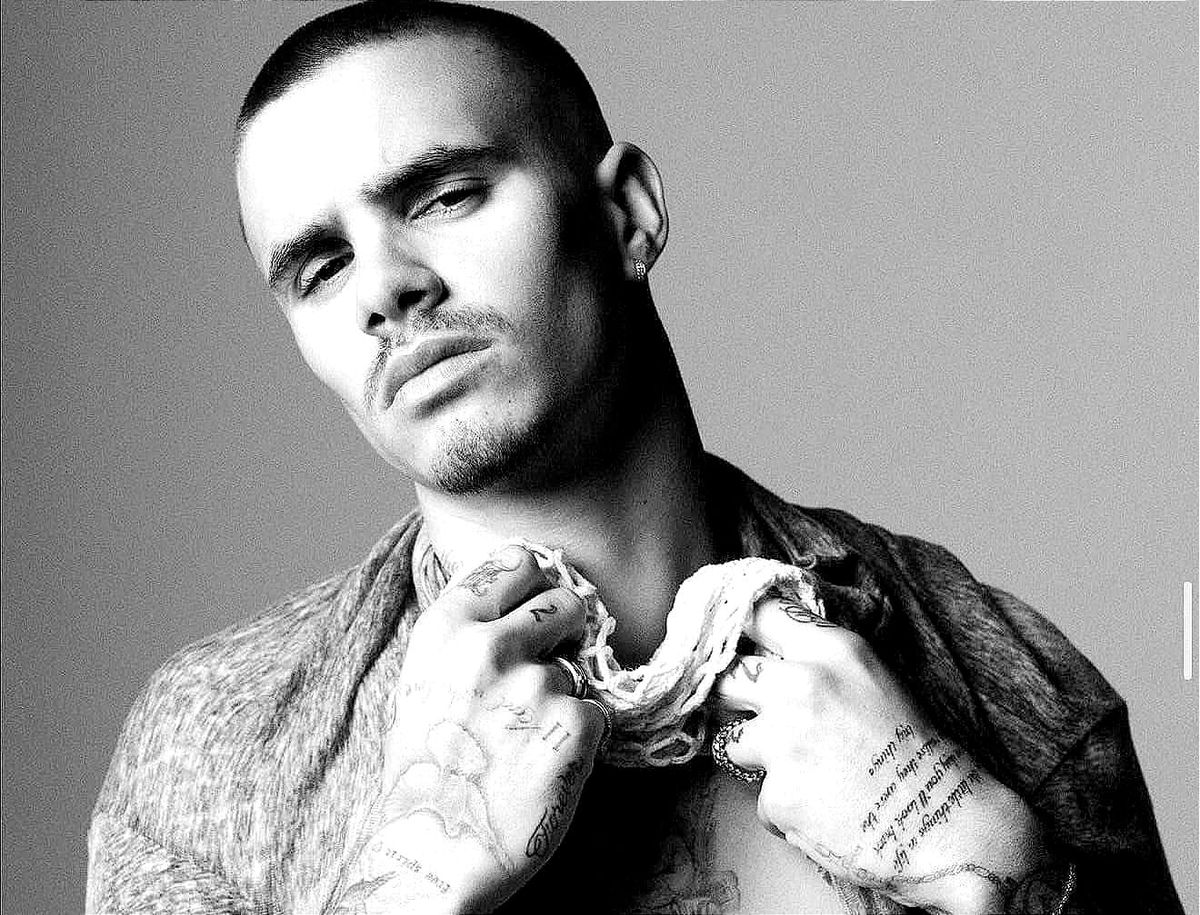
When news broke that Romeo Beckham had landed his first major acting role in the upcoming tennis drama Forty Love, much of the attention focused on one question.
Could the son of David and Victoria Beckham make the transition from modelling and football into acting?
It is a fair question. Celebrity children often face scrutiny whenever they step into a new industry. Some go on to build successful careers. Others struggle to escape the shadow of their famous surname.
Yet the announcement of Forty Love raises another question that may be even more interesting. What does a film like this tell us about the current state of LGBTQ+ cinema? The answer is more complicated than many headlines suggest.
On one hand, queer stories are receiving greater visibility than ever before. Major studios, streaming platforms and international distributors continue to invest in LGBTQ+ projects that would have struggled to secure funding a generation ago.
On the other, recent figures show that representation has actually declined in some areas, highlighting that progress is neither guaranteed nor straightforward.
Whether Forty Love ultimately succeeds or fails, it arrives at a fascinating moment for LGBTQ+ storytelling.
A very different industry from a decade ago
For many years, LGBTQ+ films were largely associated with independent cinema.
Groundbreaking stories certainly existed, but they were often produced on smaller budgets and faced significant challenges reaching mainstream audiences.
Many relied on film festivals, specialist distributors or word of mouth to find viewers. Today’s entertainment landscape looks very different.
Streaming platforms have transformed how audiences discover content. International distribution has expanded dramatically. Productions featuring LGBTQ+ characters are increasingly promoted alongside other major releases rather than being treated as niche programming.
This shift has helped create opportunities for projects that may never have reached production in previous decades. Forty Love appears to be part of that evolution.
The film is not arriving quietly through a limited release. Instead, it has generated international coverage months before audiences have seen a single frame of footage.
That level of attention demonstrates how much the industry has changed.
The films that helped move LGBTQ+ stories into the spotlight
The rise of mainstream LGBTQ+ storytelling did not happen overnight.
A series of high profile productions helped convince studios and distributors that audiences were willing to embrace these stories.
Red, White & Royal Blue became one of the most talked about streaming releases of recent years, generating significant global discussion and attracting viewers far beyond its core audience.
All of Us Strangers earned widespread critical acclaim and numerous award nominations, with many critics describing it as one of the strongest British films of the decade. Fellow Travelers demonstrated that ambitious LGBTQ+ storytelling could combine historical drama, political themes and commercial appeal.
Even projects that divided opinion helped push representation further into the mainstream by attracting wider audiences and encouraging discussion.
The success of these productions showed that LGBTQ+ stories could compete for awards, generate headlines and attract substantial viewing figures.
The numbers tell a more complicated story
While it is easy to point to successful examples, recent research suggests progress is not happening in a straight line. According to GLAAD’s latest Studio Responsibility Index, LGBTQ+ inclusive films accounted for 23.6% of major studio releases in 2024.
That figure was down from 27.3% in 2023 and below the 28.5% recorded in 2022.
In other words, representation in major studio films has fallen for two consecutive years. Those figures create an interesting contradiction. Some of the most visible LGBTQ+ films ever produced have emerged during the past few years. Yet overall representation across the film industry has actually declined.
That means films such as Forty Love arrive at a time when every major LGBTQ+ project arguably carries greater significance. The conversation is no longer simply about visibility. It is about maintaining momentum.
Television has often led the way
Interestingly, television currently presents a different picture. GLAAD’s latest Where We Are on TV report identified 489 LGBTQ+ characters across broadcast, cable and streaming television.
The report also found that more than half of those characters were people of colour, reflecting broader efforts to improve diversity on screen. Television has often proved more willing to explore LGBTQ+ stories in depth because long running series allow audiences to spend years with characters rather than just a couple of hours.
Viewers of soaps have seen this first hand. The huge development with Swarla, Sukeve & Robron in UK soaps have been immensely popular.
Storylines involving LGBTQ+ characters are no longer unusual additions to television schedules. In many cases they are central to some of the biggest and most talked about stories.
However, even television faces challenges. Industry reports have highlighted concerns that cancellations and changing commissioning strategies could reduce representation in future years.
The broader lesson is clear. Progress cannot be taken for granted.
Why tennis is an interesting setting for Forty Love
One of the most intriguing aspects of Forty Love is its choice of setting. Tennis has produced some of the most significant figures in LGBTQ+ sporting history.
Billie Jean King became one of the most influential athletes of the twentieth century, not only because of her achievements on court but because of her impact beyond sport.
Martina Navratilova remains one of the most important LGBTQ+ sporting pioneers in history. Their influence helped shape conversations around sexuality, visibility and inclusion long before many other sports began having those discussions.
Tennis also provides rich dramatic material. Unlike team sports, players operate largely on their own. Success and failure are intensely personal. Relationships, rivalries and public pressure become magnified.
Recent productions such as Challengers demonstrated that audiences remain fascinated by stories that combine elite sport with emotional and romantic conflict.
Forty Love appears poised to explore similar themes through its own perspective.
The debate surrounding Romeo Beckham
Of course, much of the conversation surrounding the film continues to centre on Romeo Beckham himself. Critics have questioned whether his family connections helped him secure the role.
Supporters argue that audiences should wait until they have actually seen the performance before making judgements.
Both arguments have merit. Access and opportunity remain major issues throughout the entertainment industry. Many talented actors struggle to gain auditions, representation and exposure.
At the same time, history shows that a famous surname alone is rarely enough to sustain a career. Audiences ultimately respond to performances. If Romeo delivers a convincing performance, attention will shift towards his acting ability. If he does not, critics will quickly make their views known.
That reality applies regardless of family background.
Why Forty Love matters beyond the headlines
The significance of Forty Love extends beyond its cast list. The film arrives at a time when LGBTQ+ cinema finds itself in an unusual position.
Representation is significantly stronger than it was a decade ago. Major distributors continue to invest in LGBTQ+ projects. High profile actors are increasingly willing to attach themselves to queer stories.
Yet industry data suggests progress remains fragile. That combination makes films like Forty Love particularly interesting. They are no longer judged solely on the basis of representation. They are expected to meet the same creative standards as any other major production.
In many ways, that may be the clearest sign of progress. The debate has moved beyond whether LGBTQ+ stories deserve a place in mainstream cinema. The focus now is on how those stories are told, who gets to tell them and whether they can stand alongside the very best films being made today.
For Romeo Beckham, Forty Love represents an acting debut. For the wider industry, it may serve as another reminder that the story of LGBTQ+ cinema is still being written.