Prisoner: Cell Block H Behind the Scenes: How Wentworth Detention Centre Was Created
Discover how Prisoner: Cell Block H was created, where Wentworth Detention Centre was filmed and how the Australian drama produced 692 episodes between 1979 and 1986.

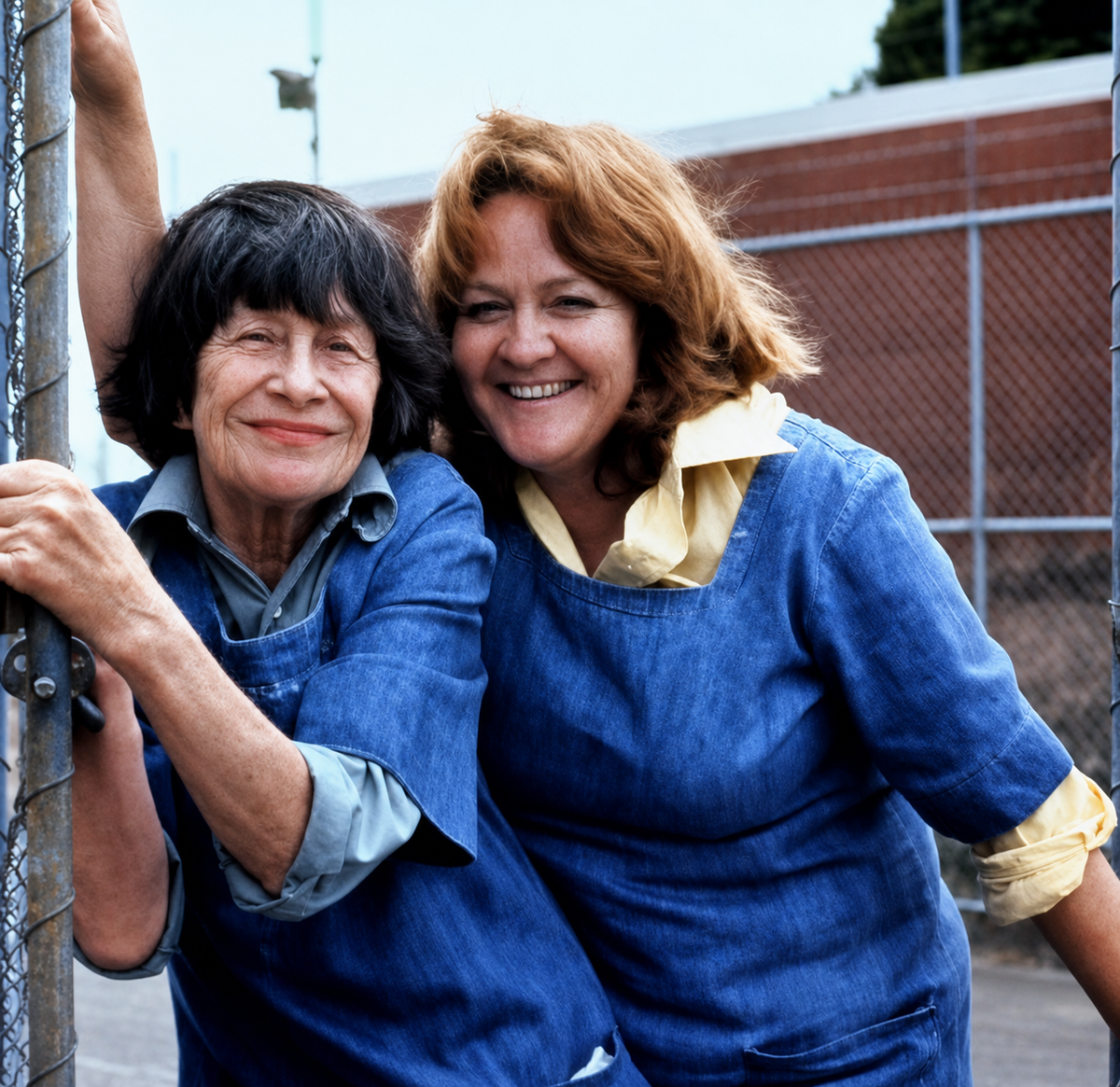
For millions of viewers, Wentworth Detention Centre felt like a real institution. Its barred gates, cramped cells, familiar corridors and communal areas created an enclosed television world that audiences returned to across hundreds of episodes.
Behind the prison walls was a demanding Australian production that became far bigger than its creators could initially have anticipated. Beginning in 1979, Prisoner ultimately ran for 692 episodes and developed into one of Australia’s most successful international television exports
Who Created Prisoner: Cell Block H?
Prisoner was created by Australian television producer Reg Watson and produced by the Reg Grundy Organisation for Network Ten.
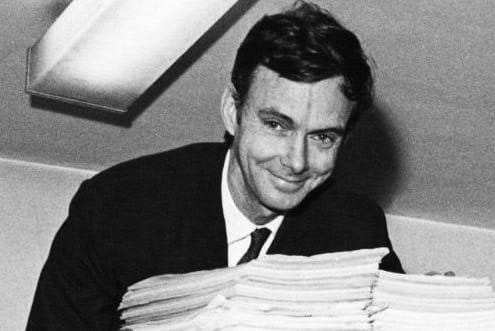
Before reaching television, the concept reportedly passed through working titles including Women in Prison and Women Behind Bars.
The central idea was striking for Australian television at the end of the 1970s. Instead of using prison merely as the background for a conventional crime drama, the programme placed its female prisoners and officers at the heart of the story.
That structure allowed Prisoner to explore life on both sides of the bars. Bea Smith, Lizzie Birdsworth, Franky Doyle, Doreen Anderson, Vera Bennett and Meg Jackson were among the characters who helped establish the series during its earliest period.
However, the format was never entirely dependent on one character or one group of performers. Prisoners and officers could arrive, leave, return or be replaced, allowing Wentworth to remain the fixed centre of the programme while its population continually evolved.
Where Was Prisoner: Cell Block H Filmed?
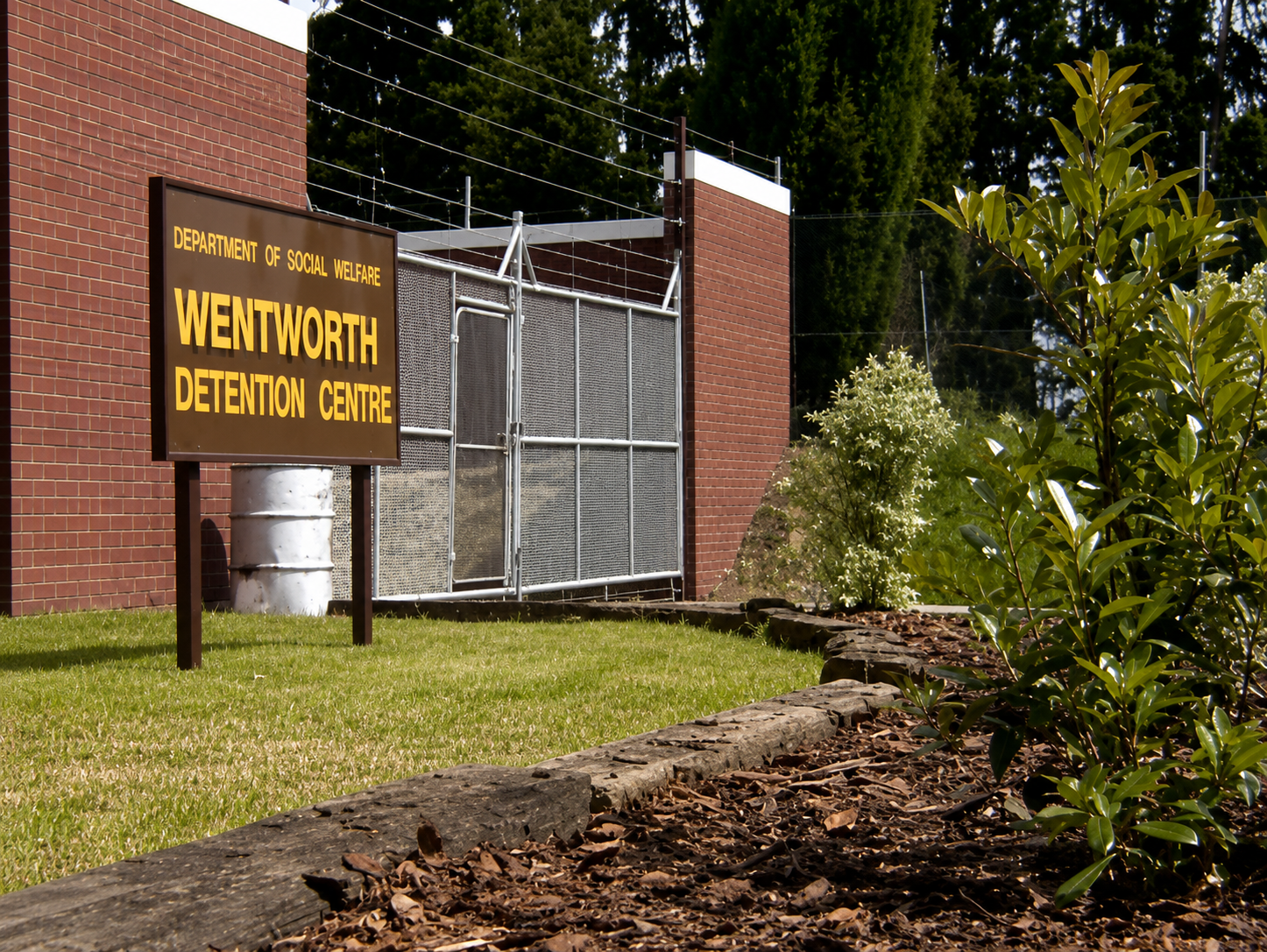
The fictional Wentworth Detention Centre was primarily created at Network Ten’s studios in Nunawading, Victoria. Location filming around Melbourne was also used whenever a storyline needed to take the characters beyond the prison.
The familiar Wentworth interiors were television sets rather than parts of a functioning women’s prison. The production team therefore had to create the impression of a much larger institution using the studio space available to them.
The repeated use of the same corridors, gates, offices and communal rooms became part of the programme’s visual identity. These confined surroundings also strengthened the feeling that the women could never completely escape one another or the pressures of institutional life.
Some elements of the production naturally look very different when viewed on modern televisions. However, the strength of the performances and continuing storylines allowed audiences to accept Wentworth as a complete world with its own routines, divisions and power structures.
How Prisoner Produced 692 Episodes
The scale of the production remains one of the most impressive parts of Prisoner’s history. The programme ran from 1979 until 1986, producing 692 episodes across eight years.
Maintaining that output required a large group of producers, writers, directors, performers and production workers. Producers associated with different periods of the programme included Ian Bradley, John McRae, Philip East, Sue Masters, Lex van Os and Marie Trevor.
Numerous writers also contributed throughout the run. Their work allowed the series to keep introducing new prisoners, officers, relatives, rivals and outside threats while preserving the recognisable atmosphere of Wentworth.
The volume of episodes gave stories space to develop over a long period. Friendships, rivalries and power struggles could gradually intensify, while the consequences of prison life often continued long after the immediate crisis had ended.
Why Did Prisoner Become Prisoner: Cell Block H?
Australian viewers originally knew the programme simply as Prisoner. The title created a legal and commercial issue when the Australian drama was prepared for overseas distribution.
In Britain, The Prisoner, starring Patrick McGoohan, was already an established television title connected with ATV. ATV objected to the Australian series being marketed under the similar title Prisoner, leading to the name being altered for international use.
The Australian drama became Prisoner: Cell Block H for British audiences. The expanded title would become so familiar in the United Kingdom that many viewers still refer to the programme simply as Cell Block H.
The programme also appeared under another title in Canada, where it was shown as Caged Women. These different names demonstrate how the series acquired several identities as it moved beyond its original Australian audience.
How Prisoner Became an International Success
The overseas success of Prisoner was remarkable for a production with such a clearly Australian setting and identity. The programme did not attempt to hide its origins, yet its stories about power, survival, friendship and institutional control connected with viewers in many different countries.
In Britain, the programme often occupied late-night television slots. That scheduling helped it develop a devoted following among viewers who became invested in Wentworth’s prisoners, officers and continuing conflicts.
Its international popularity also demonstrated that a female-led drama could sustain a long-running audience. The series allowed women of different ages, backgrounds and personalities to occupy the centre of complex stories rather than remain supporting figures.
That legacy remains important when looking at the programme today. Prisoner offered its female characters opportunities to be sympathetic, difficult, intimidating, vulnerable, loyal and deeply flawed, often within the same storyline.
The Production Style Became Part of Prisoner’s Appeal
Viewers discovering the original programme after watching Wentworth encounter a very different form of television production. Prisoner belonged to a studio-based era with its own pace, appearance and technical restrictions.
Those restrictions did not prevent the programme from attempting ambitious storylines. Riots, escapes, murders, hostage situations, corruption and struggles for control appeared alongside quieter stories about friendship, family, institutionalisation and life after release.
The emotional impact often depended more on performances and character relationships than spectacle. Audiences could spend years following particular women, making departures, betrayals and deaths feel significant because of the time already invested in them.
The familiar production design eventually became part of the programme’s appeal. Wentworth’s sets may have been created inside a Melbourne television studio, but to viewers they represented a complete institution with its own history and culture.
From Prisoner to Wentworth
The continuing strength of the original concept became clear when Wentworth began in 2013. The newer drama did not reproduce the 1979 programme episode by episode, but instead reimagined its characters and central setting for a different generation of television.
Bea Smith, Franky Doyle, Liz Birdsworth, Doreen Anderson, Vera Bennett and Joan Ferguson were among the familiar names given new interpretations. Viewers who knew Prisoner could recognise the foundations while watching relationships and storylines develop in very different directions.
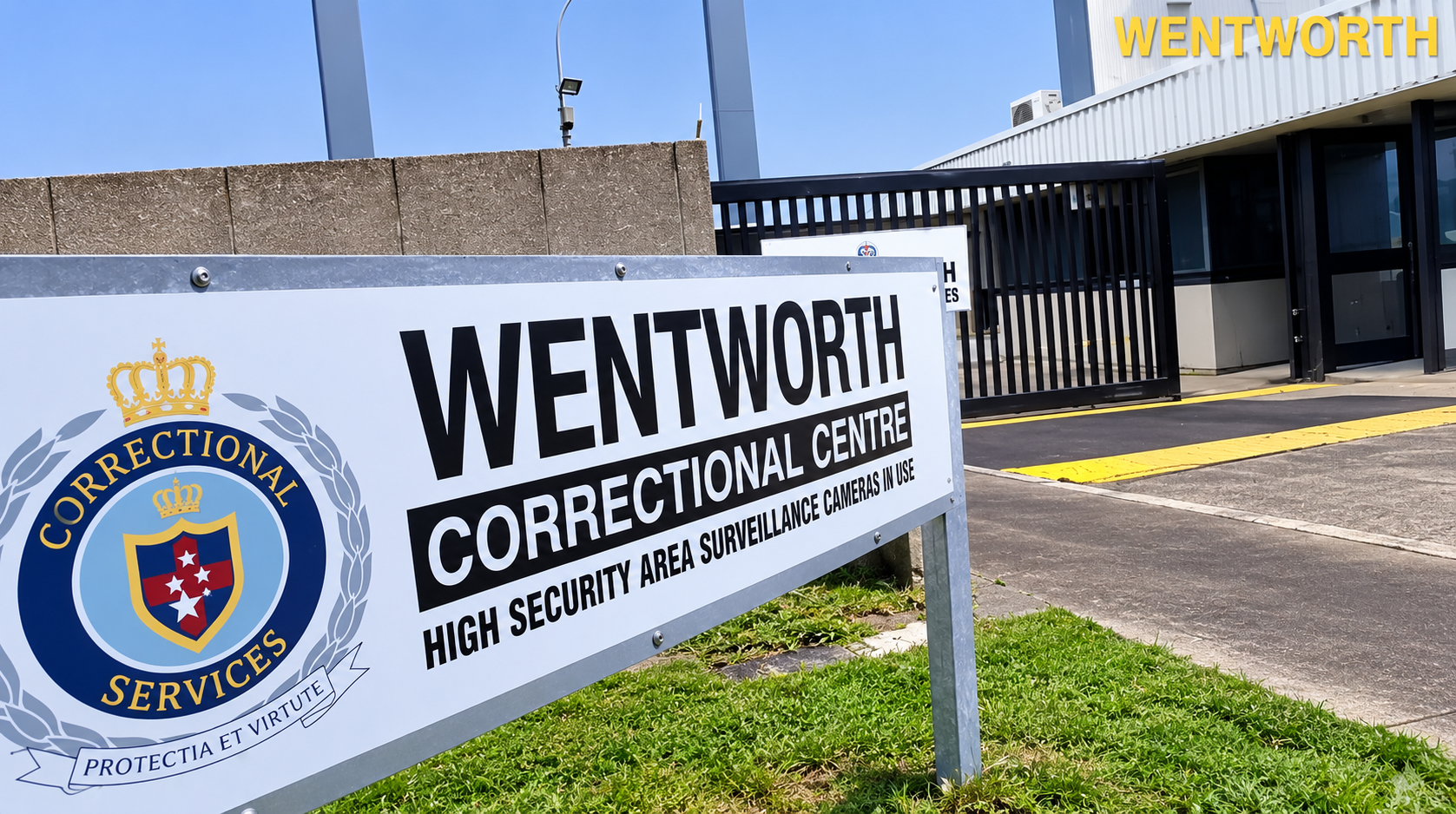
This connection means the production history of Prisoner is more than television nostalgia. The fictional institution first introduced in 1979 provided the foundation for another internationally successful Australian drama more than three decades later.
The original Wentworth was built using studio sets at Nunawading, but its influence extended far beyond those walls. Its characters, conflicts and central ideas continued to inspire viewers and television creators long after the final episode was broadcast.
FAQs
How many episodes of Prisoner: Cell Block H were made?
A total of 692 episodes were produced between 1979 and 1986. The long run allowed the programme to introduce several generations of prisoners and officers while retaining Wentworth Detention Centre as its central setting.
Who created Prisoner: Cell Block H?
The series was created by Reg Watson and produced by the Reg Grundy Organisation for Network Ten. Watson became one of the most influential figures in Australian serial television.
Where was Wentworth Detention Centre filmed?
The fictional prison was primarily created at Network Ten’s studios in Nunawading, Victoria. Locations around Melbourne were also used for scenes taking place beyond Wentworth.
Was Prisoner: Cell Block H filmed inside a real prison?
The regular Wentworth interiors were studio sets rather than part of an operating women’s prison. The production used outside locations when particular storylines required additional settings.
Why was the programme called Prisoner: Cell Block H in Britain?
The original Australian title was Prisoner, but the similarity to ATV’s established series The Prisoner led to objections over its use internationally. The Australian drama was therefore retitled Prisoner: Cell Block H for British audiences.
How is Prisoner connected to Wentworth?
Wentworth is a modern reimagining of Prisoner rather than a direct continuation. It reused familiar character names and concepts while creating a separate continuity and new versions of the original figures.
Follow our Prisoner and Wentworth coverage on SoapLandTV as we continue exploring the characters, stories and lasting legacy of both series.