Premier League AI Push Could Change Sports Entertainment for Millions of TV Viewers
Premier League AI is changing sports entertainment, with personalised TV viewing, football highlights, Fantasy Premier League content and new streaming options.


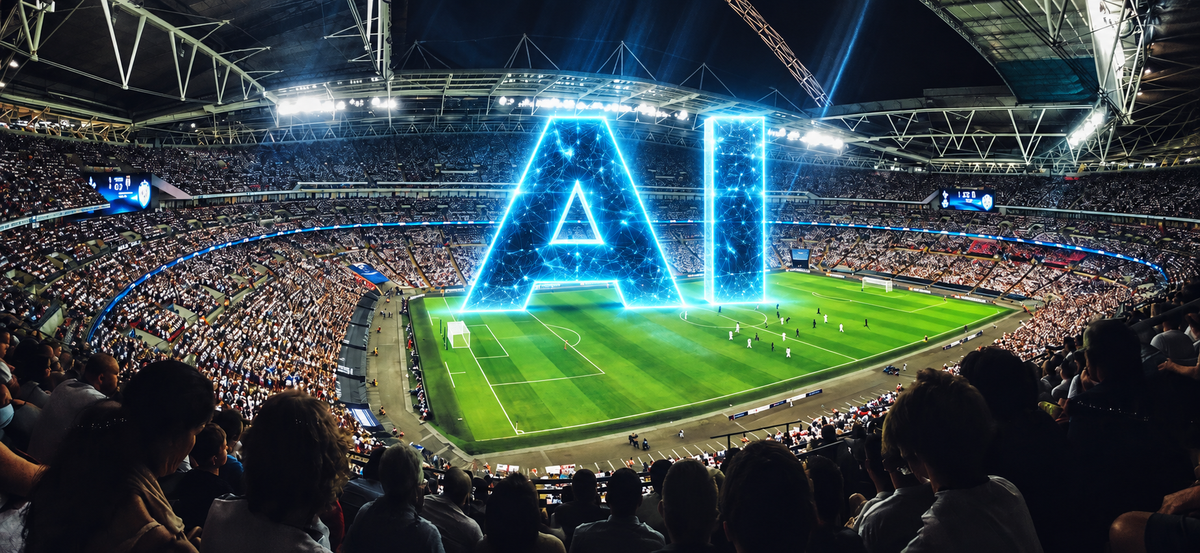
Watching sport on television has always been about entertainment, but the experience is becoming increasingly personal. The Premier League is now pushing further into artificial intelligence, using the technology to tailor highlights, match coverage, recommendations and Fantasy Premier League content around individual fans.
For millions of people, live football is one of the biggest forms of television entertainment. Now the Premier League is exploring how AI can make that experience feel much more personal, from what supporters watch before and after a match to the stories, highlights and recommendations they receive.
Speaking at IBC2026, Premier League Chief Commercial Officer Will Brass outlined how the competition is investing in its own digital platforms as viewing habits continue to change. Rather than treating every supporter as part of one huge television audience, the technology is designed to understand what individual fans are interested in and bring relevant content directly to them.
AI is changing sports entertainment
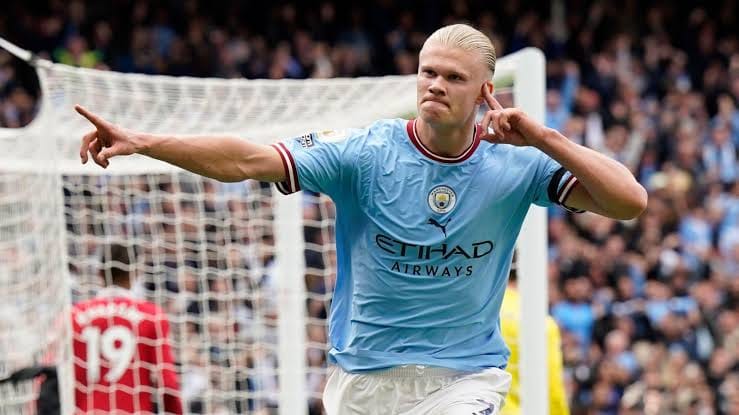
A major part of the strategy is the Premier League Companion, powered by Microsoft Copilot and designed to provide personalised access to articles, videos and football content.
The system can remember a fan’s preferences, help them prepare for upcoming matches and surface highlights from previous games. This season, it is also being connected with Fantasy Premier League, which Brass said serves more than 30 million people every season.
That makes the technology particularly relevant to the wider entertainment industry. Football is no longer something audiences simply watch for 90 minutes on television, with broadcasters, streaming platforms and sports organisations now competing for viewers across live matches, clips, social media, apps, fantasy games and on demand video.
AI gives those platforms another way to keep viewers engaged. Two fans could follow the same Premier League match but receive very different content afterwards depending on the clubs, players and stories they are most interested in.
Television viewing is becoming more personal

MediaKind Chief Architect Moore Macauley explained at IBC2026 that AI is being used to understand the important moments within content and improve recommendations for viewers.
For anyone watching sport on television or through a streaming service, that could eventually mean less time searching through menus and more content automatically shaped around their interests. Someone who misses a match could be directed towards the highlights most relevant to them, while another viewer could receive recommendations connected with a particular player, club or competition.
AI is also being used behind the scenes to support live broadcasting. MediaKind is using AI systems to analyse technical information, assist with troubleshooting and reduce the time needed to identify problems, an important area when a major sporting event can attract millions of simultaneous viewers.
Could the way we pay for sport change too?

The entertainment shift is not limited to recommendations. Evergent says streaming platforms are also looking at more personalised ways of selling access to content as broadcasters and rights holders deal with rising costs.
Associate VP Sales Europe Craig Ferguson said the company is experimenting with smaller “micro passes”, which could allow viewers to purchase access to individual sporting events rather than taking out a larger subscription. New Zealand broadcaster TVNZ has already used Evergent technology to place some World Cup matches behind an event pass, while Ferguson said the NBA is also exploring similar options.
That could make sports television look increasingly different from the traditional subscription model. A viewer might eventually receive personalised recommendations for a match and then be offered a way to watch only that event, bringing AI, streaming and entertainment payments much closer together.
For the Premier League, the technology is already becoming part of its wider digital strategy. As television, streaming, sport and online entertainment continue to overlap, AI could increasingly influence not only which match people watch, but what they see before it, what they watch afterwards and how they stay connected to their favourite clubs.