Nicola Nicoletti's creator reveals what really goes into making AI music
Nicola Nicoletti's creator discusses AI music criticism, the work behind songwriting and production, and the upcoming Resonance: Volume One release.

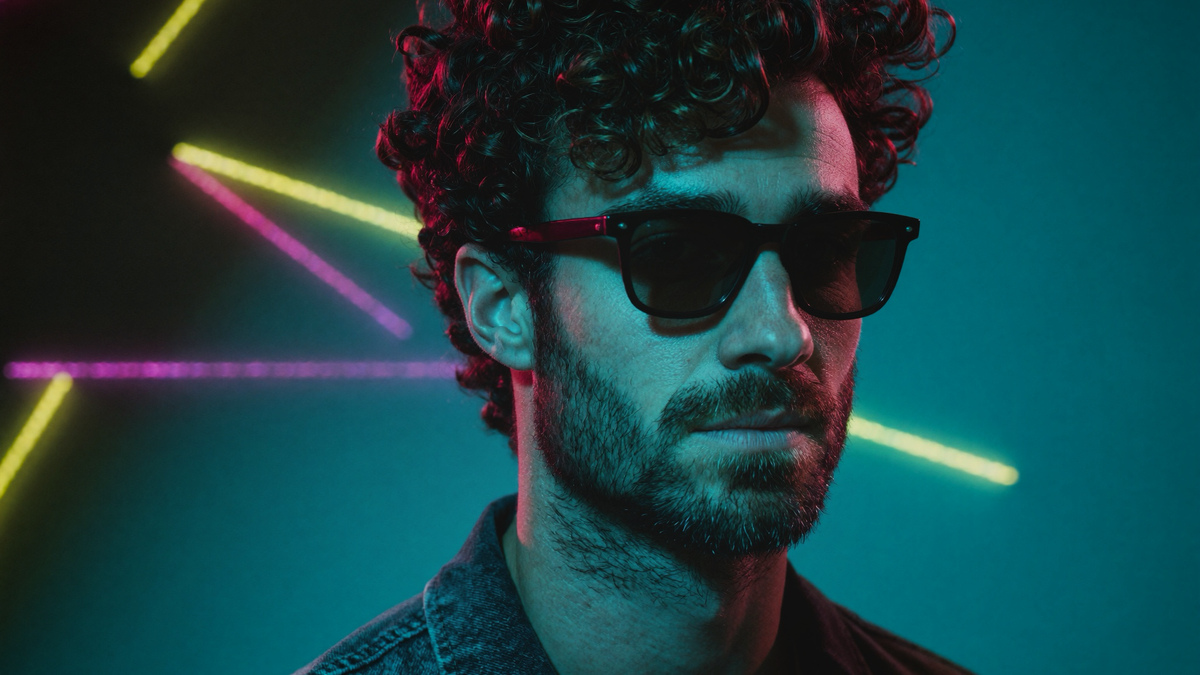
Creating an AI-generated song might sound as straightforward as entering a few instructions into a computer, but the person behind virtual pop star Nicola Nicoletti says the reality involves far more work. From writing lyrics to directing vocals and mastering finished tracks, the creator is responsible for almost every part of the project.
Speaking exclusively to SoapLandTV, Nicola's creator discussed the criticism surrounding AI-generated music and the frustration of seeing the creative work involved dismissed because artificial intelligence is part of the process. The creator believes there is a widespread misunderstanding about what goes into developing a finished song.
"There is a lot of anti-AI hostility and an assumption that using these tools means pushing a single button and having a completed, meaningful piece handed to you."
How Nicola's music is actually created
The process normally begins with lyrics, often inspired by individual lines or thoughts saved in a phone's notes app. Those initial ideas can sit for some time before being developed into complete songs, with the creator regularly returning to rewrite sections and improve the wording.
The amount of time involved varies considerably. Can't Hate You took approximately 30 minutes to write, while Like Anyone, a song written specifically for Pride, required around four or five months of work.
Once the lyrics are ready, the creator uses a combination of Suno and ElevenLabs to develop the music and vocals. Instructions are tailored to each track, covering details such as tempo, instrumentation, percussion, vocal performance and the overall musical atmosphere.
The first generated version is then refined through repeated adjustments to the lyrics, arrangement and sound. Additional instruments, backing vocals, instrumental solos and different vocal performances can all be introduced before the finished track is taken into Logic Pro for mastering.
For Nicola's creator, this is a significant part of the work that is often overlooked when people discuss AI-generated music. Although the technology produces the music and vocals, the decisions about what those elements should sound like are directed by the person behind the project.
More than simply writing songs
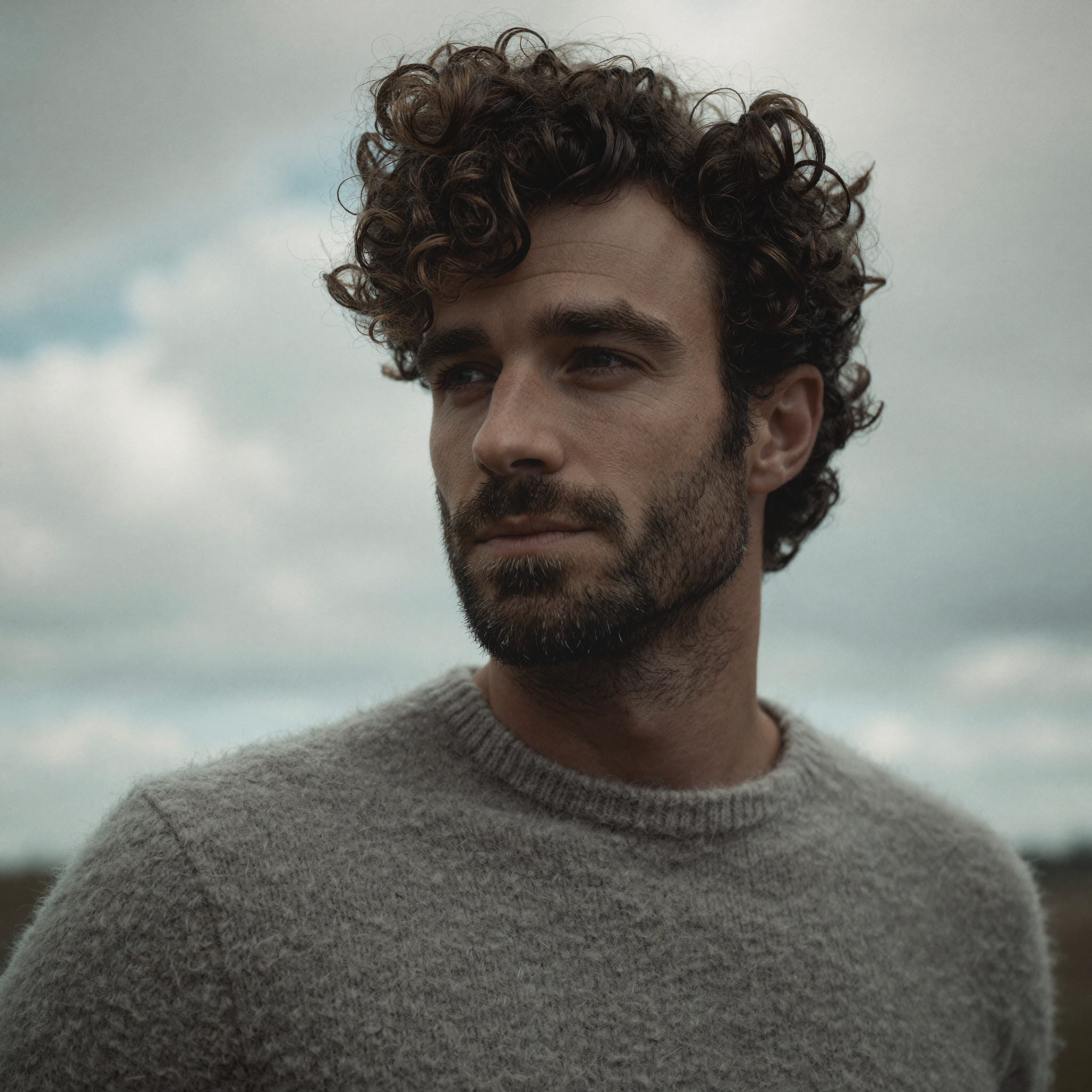
Running an independent virtual performer also involves work outside the recording process, including developing Nicola's appearance, producing videos and managing social media. The creator is responsible for creative direction, editing, marketing and maintaining the different software subscriptions needed to keep the project running.
Those responsibilities require considerable time and financial investment, something that has proved challenging alongside everyday life. The negative reaction towards AI-generated content has added another difficulty, particularly when people assume that using the technology means there is little human involvement.
Despite the criticism, the creator has found encouragement in the response from listeners, including people who say the lyrics have helped them through breakups or made them feel understood. Rather than trying to convince every critic, the focus has increasingly been on the people who enjoy the music and connect with its stories.
"Authenticity isn't about the tools in your chain; it's about the story you're telling. And that’s always been true."
Check out the YouTube page:

Nicola's next musical project
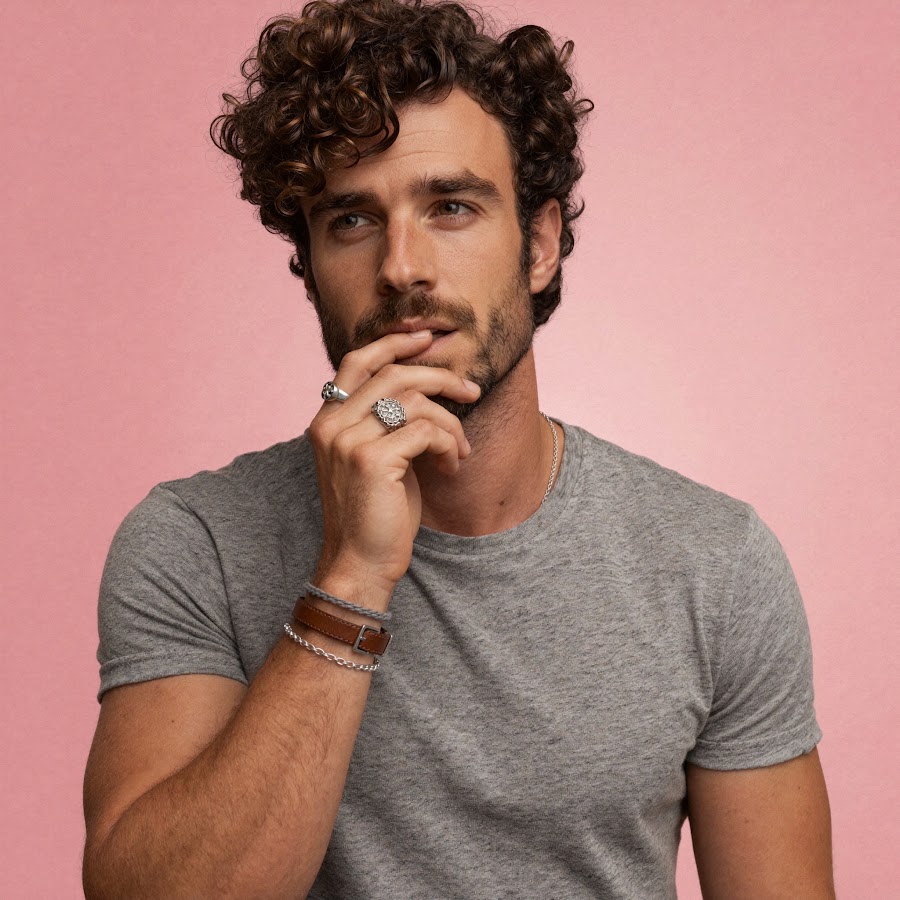
The creator's latest experiment, Resonance: Volume One, will be released on Friday 30 October 2026, featuring 13 reimagined songs and one bonus track. Drawing inspiration from styles including French chanson, bolero and fado, the release explores how Nicola's existing music can work with different arrangements and musical influences.
It also follows a period of experimentation with trip-hop influences and downtempo breakbeat percussion, demonstrating how the creator continues to develop Nicola's sound. A second full album is already being finalised for early 2027, while ideas for short films featuring the virtual character are also being explored.
Listeners can hear Nicola's existing music on Spotify, while Patreon offers a closer look at how individual songs and videos are created. Nicola can also be followed on Instagram for the latest releases and updates.
Image credit: Nicola Nicoletti