Michael Smith jailed over $8m AI music streaming fraud
Michael Smith has been jailed for 18 months after using hundreds of thousands of AI-generated songs and bots in an $8 million streaming fraud.

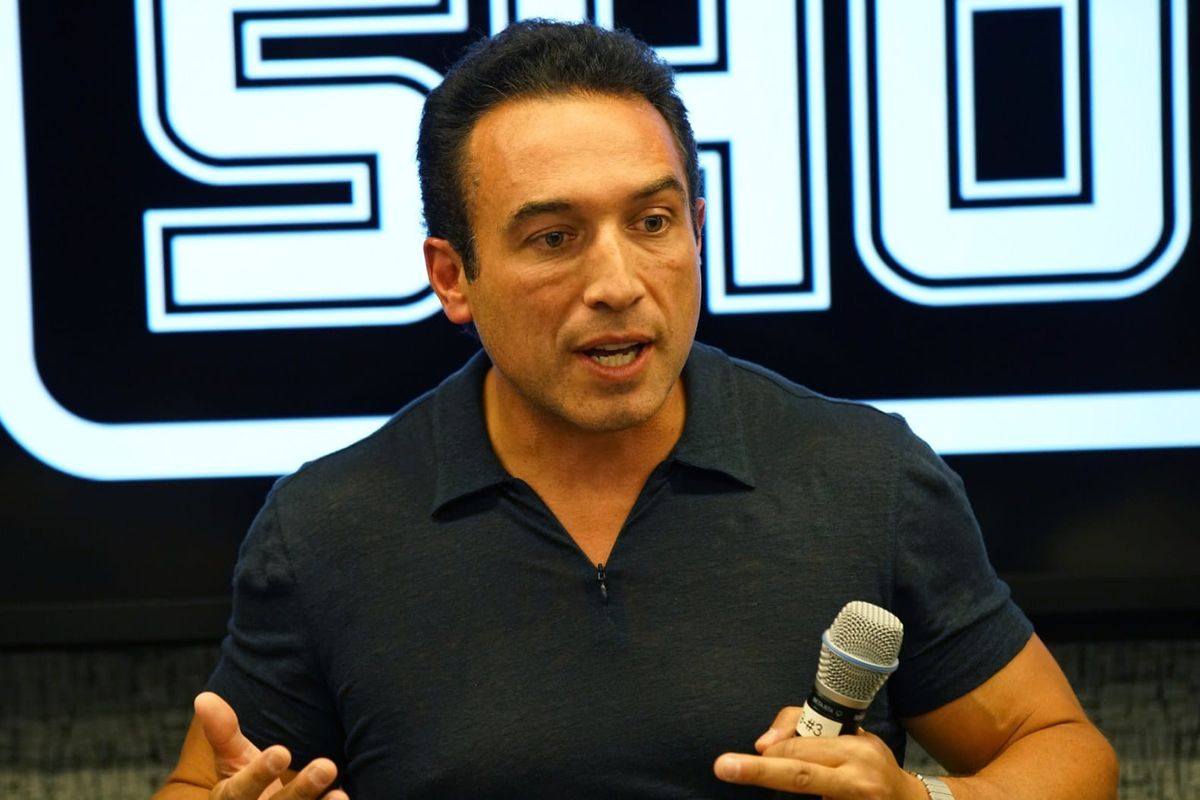
A US man who used hundreds of thousands of AI-generated songs and thousands of bot accounts to manipulate music streaming platforms has been sentenced to 18 months in prison.
Michael Smith, 54, previously admitted conspiracy to commit wire fraud after creating a huge catalogue of artificial music and arranging for automated accounts to stream it billions of times. The fraudulent plays generated more than $8 million in royalty payments.
How the AI music scheme worked
Smith needed an enormous number of tracks so individual songs would not attract suspiciously high streaming figures. AI allowed him to produce hundreds of thousands of songs that could then be spread across his network of automated accounts.
At some points, as many as 10,000 bot accounts were operating at once. The songs were streamed billions of times, creating activity designed to look more like genuine listening and allowing royalty payments to accumulate.
The scale was extraordinary. In April 2023 alone, Smith’s accounts generated 80.9 million fraudulent streams through YouTube Music family plans.
Smith pleaded guilty in March 2026. On 6 October, he was sentenced to 18 months in prison, followed by two years of supervised release, and ordered to forfeit $8,091,843.64.
Why the case matters for AI music
The case highlights a different problem from arguments over whether musicians should use AI creatively. Here, AI made it possible to manufacture music at a scale large enough to support a deliberate streaming fraud.
Music platforms are already dealing with rapidly increasing quantities of AI-generated tracks alongside concerns about bots, fake artists and unauthorised imitations of real performers.
Smith’s sentence now provides one of the clearest examples yet of AI-generated music moving from an industry debate into a criminal case involving millions of dollars.
Image credits: Bennett Raglin/Getty Images for BET Networks