Mia Goth’s Team Criticises Instagram Over AI-Generated Fake Image
Mia Goth’s representative has criticised Instagram after an AI-generated image of the actor circulated online amid news about her personal life.

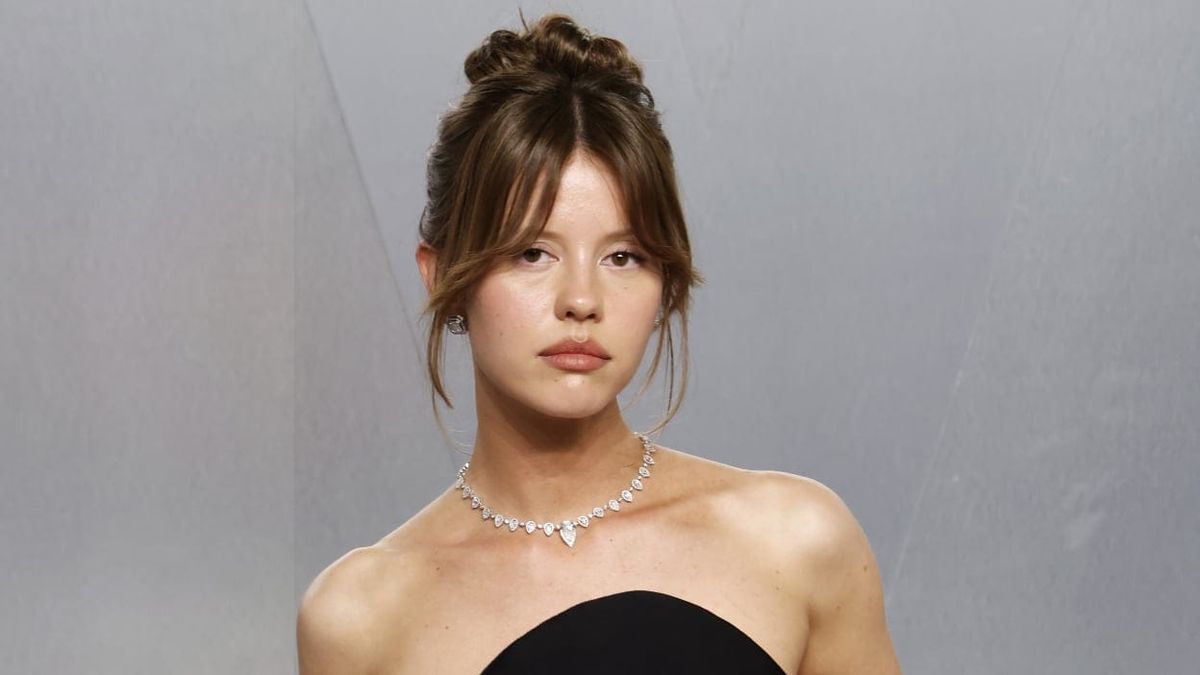
An AI-generated image purporting to show actor Mia Goth making a pointed comment about her personal life has prompted criticism of Instagram and renewed questions about how fake celebrity content spreads online.
The image appeared to show the Pearl star wearing a T-shirt with a message about an ex-partner. Its circulation coincided with news concerning Goth and Shia LaBeouf, encouraging speculation about whether the supposed message was connected to their relationship.
However, the image was not an authentic statement from Goth. Reporting on the incident said the image had been shared by a fan-run Instagram account, rather than an official profile operated by the actor.
The episode highlights how generated images can be used to create celebrity stories that look plausible when placed alongside genuine news.
How AI-generated celebrity images can mislead
A convincing image can appear to provide visual evidence that a celebrity has said or done something. When it is shared alongside a real news story, viewers may assume the picture is genuine without checking its origin.
That can be particularly problematic when the image appears to comment on a relationship, a public dispute or another sensitive personal matter. Even if a fake is later identified, screenshots and reposts can continue circulating beyond the original account.
Goth’s representative has criticised Instagram over the incident. The response has drawn attention to the responsibility social media platforms have when misleading images of real people are reported.
The distinction between a clearly labelled joke and a fake presented as authentic matters. Parody can be understood as commentary, but an image that is shared without adequate context can lead people to believe a person has made a statement they never gave.
What verification badges actually tell users
The incident also raises questions about the meaning of verification badges on social media. Users may interpret a badge as proof that a post is authentic, but verification does not necessarily mean that every image shared by an account is genuine.
It is important to establish whether an account is officially operated by the person it represents, and whether the person or their representative has confirmed a supposed statement. A familiar name, photograph or badge is not enough on its own.
For public figures, fake images can spread rapidly because audiences are already interested in their personal lives. Generative AI makes it easier to create convincing visual material, while social platforms make it easy to circulate that material before it has been checked.
The challenge for social media platforms
The incident illustrates the need for clear reporting processes and timely moderation when AI-generated content impersonates real people. Platforms also face the challenge of helping users distinguish between genuine photographs, manipulated images and synthetic material.
That does not mean every AI-generated image is harmful. The problem arises when artificial content is presented in a way that misleads people about a real person or attributes a statement to them without evidence.
For readers, the safest approach is to check the original source before sharing a viral celebrity image as fact. In this case, the image should not be treated as evidence that Goth made the supposed statement.
The wider question is how platforms can respond quickly enough to convincing fakes without relying on users to identify every misleading post themselves.
Image Credit: Taylor Hill/Getty Images