Meta AI Glasses: The Good, the Bad and Why Critics Are Calling Them ‘Pervert Glasses’
Meta AI glasses offer music, translation, cameras and hands-free AI, but their benefits bring difficult questions about privacy, consent and data.

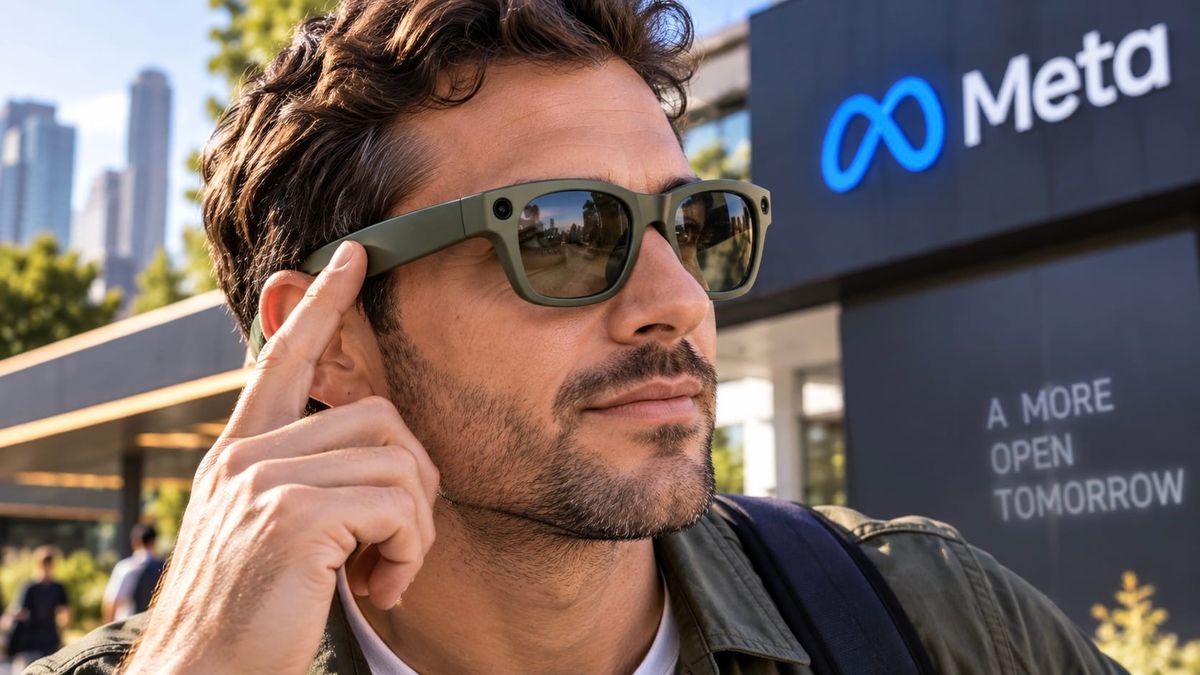
Meta AI glasses promise a future where people spend less time staring at their phones. Music, calls, translation and artificial intelligence can all sit inside a pair of glasses, while camera-equipped models allow photographs and videos to be captured completely hands-free.
But the technology has also acquired a deeply uncomfortable reputation. Critics and campaigners have used the deliberately provocative description “pervert glasses”, as concerns grow about women, girls, children and other strangers being recorded through cameras that can be considerably less obvious than a smartphone held in someone’s hand.
The good: who could genuinely benefit from AI glasses?
The strongest argument for Meta AI glasses isn’t simply that they save somebody from taking their phone out of their pocket. Combining a camera, microphones, speakers and artificial intelligence in something worn at eye level creates possibilities that are difficult to reproduce with a phone because the technology can potentially see what the wearer is seeing while leaving both hands completely free.
For blind and partially sighted people, that could be particularly significant. Visual AI can help describe objects and surroundings, read visible text and answer questions about what is in front of the wearer. Instead of having to point a phone camera towards something and then interact with its screen, somebody could potentially ask about a sign, product, object or unfamiliar environment while continuing to move naturally. Meta has already been developing its glasses with accessibility organisations including Be My Eyes, demonstrating how wearable AI could become much more than a consumer gadget.
Tradespeople and other professionals could find very different uses for the same technology. An electrician, plumber, mechanic or contractor could record a first-person view of a job, document work for a customer or potentially receive instructions while keeping both hands available. Someone learning a trade could watch how an experienced worker performs a task from their actual point of view, while businesses could create practical training content without positioning a separate camera around every job.
The possibilities extend into beauty, food and other industries where people work with their hands. A beautician could film a treatment or makeup technique from their own perspective for training or social content, while chefs, artists, craftspeople and other creators could demonstrate exactly what they are doing without repeatedly stopping to reposition a phone or tripod. For creators generally, first-person video could make tutorials, demonstrations, travel content and behind-the-scenes footage considerably easier to produce.
Travel could be one of their biggest strengths
Travel provides perhaps the clearest everyday example of what visual AI could eventually do well when new generations of smart glasses develop and push technology to its limits.
Someone standing in front of a historic building could ask what it is, when it was built and why it matters without searching for the attraction on their phone. At museums, monuments and unfamiliar destinations, the glasses could effectively become a hands-free guide responding to questions about whatever the wearer is looking at.
Language barriers offer another obvious use. A traveller faced with a menu they cannot understand could ask AI to translate the text, identify unfamiliar dishes or explain ingredients. Signs, transport information and other visible text could similarly become easier to understand without repeatedly opening a translation app and pointing a phone camera at everything.
Navigation could make that experience even more useful. Rather than walking through an unfamiliar city while staring down at Google Maps, wearable directions could potentially keep somebody’s attention on their surroundings. Combined with information about landmarks, restaurants and nearby attractions, AI glasses begin to look less like a camera attached to somebody’s face and more like a personal travel assistant.
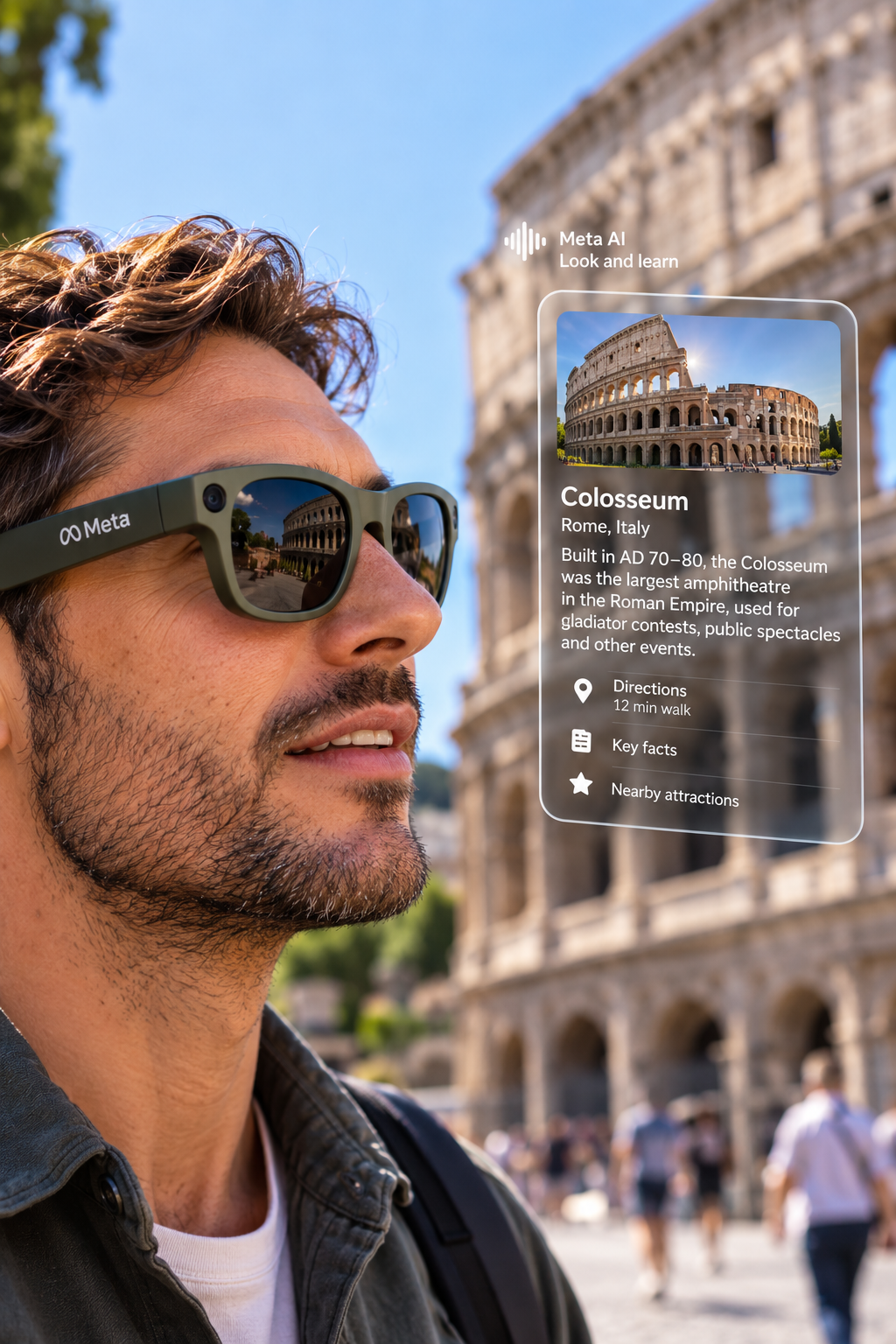
There are simpler advantages too. Open-ear speakers allow music, podcasts, calls and spoken directions without blocking the ears with headphones, while hands-free photography means a traveller can capture what they’re seeing without spending the entire trip looking at the world through a phone screen.
Those examples explain why the technology has attracted so much interest despite the controversy surrounding it. The positive case for AI glasses is potentially enormous: accessibility, work, education, training, content creation, travel, translation and everyday assistance can all benefit from technology that can see what its wearer sees while leaving their hands free.
The difficulty is that the same camera that makes many of those uses possible is also responsible for the biggest objections to the technology.
The Bad: Why are critics calling them ‘pervert glasses’?
The same camera that makes those experiences possible is responsible for much of the backlash.
The phrase “pervert glasses” has been used by critics as fears have grown around people using smart glasses to record strangers without them immediately realising what is happening. The description isn’t Meta’s terminology and shouldn’t be applied to ordinary owners simply using the product, but the controversy behind it is real.
Reports have documented women discovering that encounters filmed using Meta glasses were subsequently uploaded online. Some creators have also used the glasses for pickup, prank or harassment-style content in which the person being approached may not initially understand that the interaction is being recorded for an online audience.
That creates an additional complication for Meta because it also owns Instagram, one of the platforms where footage recorded using wearable cameras can potentially be distributed. Instagram has taken action against some accounts and content following complaints about harassment involving smart-glasses footage.
Why are people worried about children?
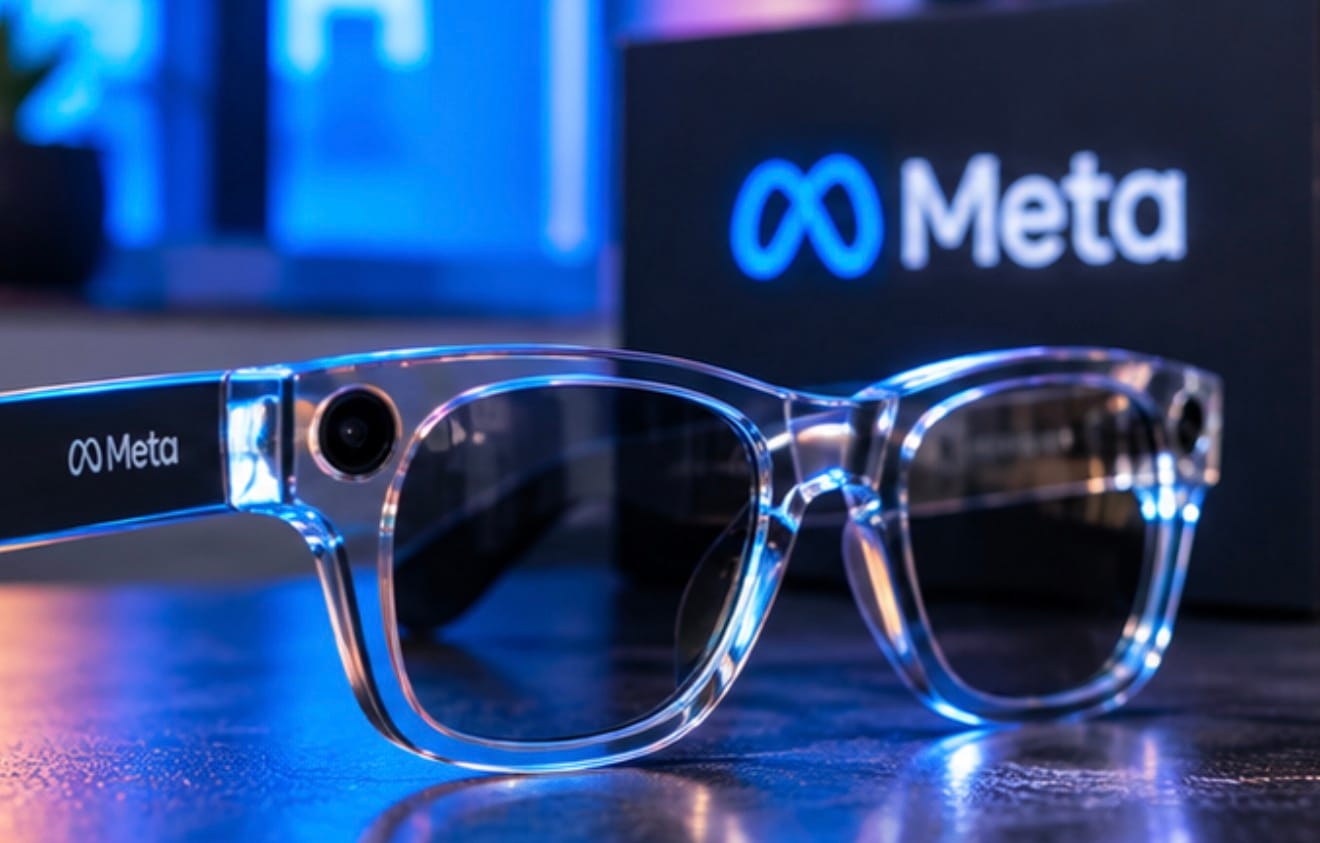
Children have become one of the most sensitive parts of the argument. A parent can usually recognise somebody pointing a smartphone towards their child, but they may not recognise that another person’s apparently conventional Ray-Bans contain a camera.
Digital rights campaigners have called for clearer restrictions around camera-equipped glasses in schools and family-focused environments. The concern isn’t that everyone wearing Meta glasses intends to record children, but that wearable cameras make the presence of recording equipment less immediately obvious.
That distinction is important. Someone recording their own family is very different from somebody deliberately filming other people’s children, and existing laws and venue rules can apply depending on where and how recording takes place.
Doesn’t the white recording light prevent secret filming?
Meta says its glasses aren’t designed for covert recording. Camera-equipped models use a white capture LED when gallery photographs, videos or livestreams are being captured, and Meta says users cannot simply turn it off. Attempts to cover or physically tamper with the indicator can cause the camera to be disabled.
The criticism is that the person being filmed still needs to notice the light and understand what it means. In a pub, train, gym, festival or busy street, someone may not recognise the glasses or know that a small illuminated indicator means a camera is recording.
There is another important distinction. Some visual AI functions can use the camera without the gallery capture LED because the glasses aren’t recording a photograph or video for the owner’s gallery. That isn’t the same as secretly filming someone, but it means the camera can be in use even when the familiar recording indicator isn’t illuminated.
The privacy problem goes beyond cameras
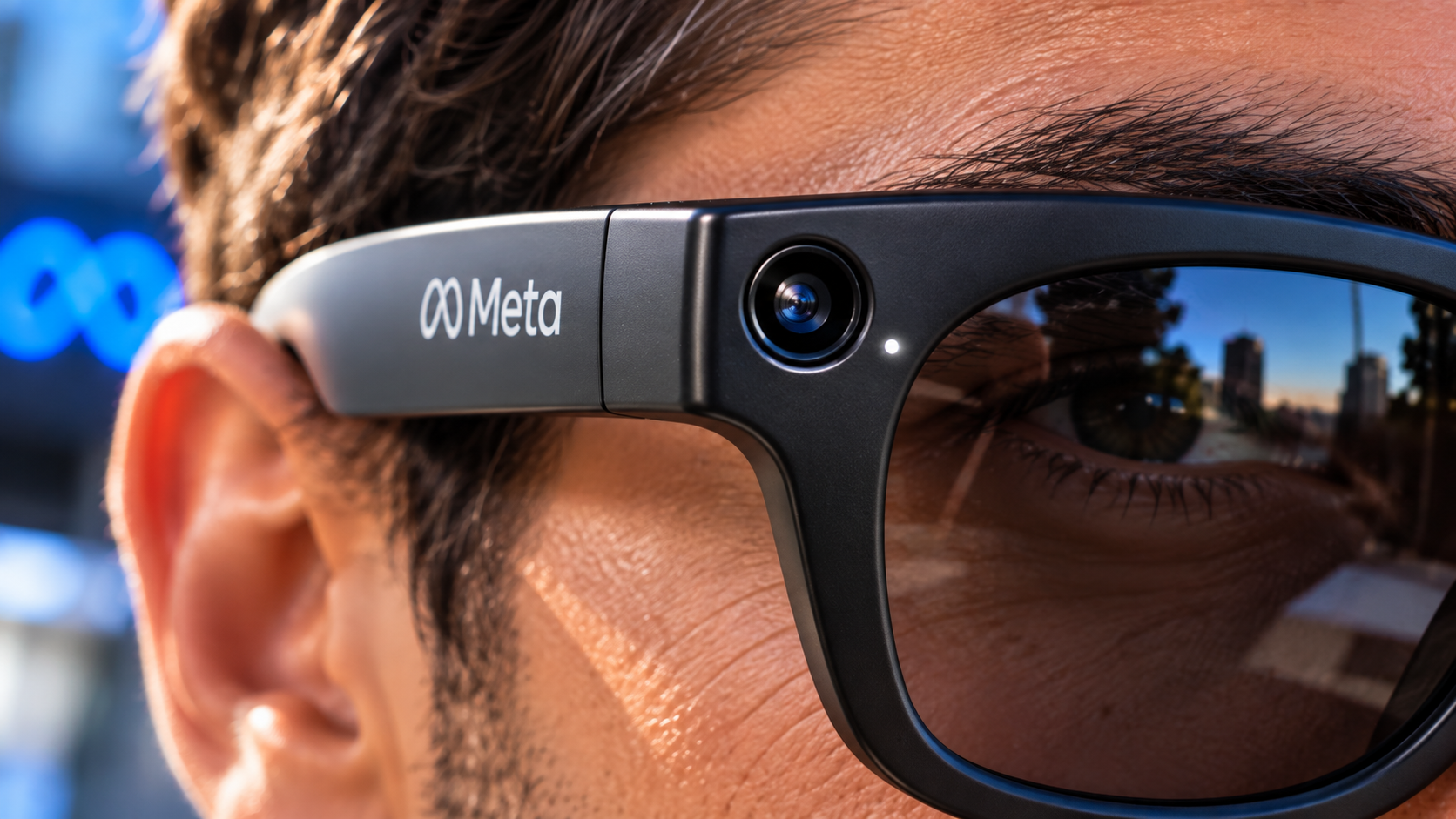
Wearable AI also raises questions about what happens to information processed by the glasses. Advanced visual AI can require information about what the wearer is seeing to be processed using Meta’s cloud systems rather than entirely on the device.
Meta is developing Private Processing technology designed to handle sensitive AI workloads inside confidential computing environments. The company says this is intended to prevent even Meta from accessing the underlying information while it is being processed.
For consumers, however, understanding the distinction between something being recorded, something being analysed by AI and something being stored remains increasingly important as glasses become more capable.
Are camera-free Meta glasses the compromise?
The new Ray-Ban Meta Audio could provide an answer for people attracted to wearable AI but uncomfortable with wearing a camera.
The glasses retain microphones, open-ear speakers, calls, music, podcasts and Meta AI but contain no camera. That removes the possibility of photographing or filming strangers while retaining much of the hands-free experience Meta is trying to build.
They don’t eliminate every privacy consideration because microphones and cloud-connected AI remain involved. But they separate two technologies that have often been treated as inseparable: wearable artificial intelligence and wearable cameras.
Meta AI glasses therefore aren’t simply good or bad. Translation, accessibility, hands-free communication and open-ear entertainment can offer genuine benefits, while camera-equipped versions create legitimate questions about consent and how easily people can recognise when recording is taking place.
The increasingly hostile “pervert glasses” nickname demonstrates how serious that trust problem has become.
Whether smart glasses become an ordinary part of everyday life may ultimately depend as much on whether people feel comfortable standing in front of them as whether consumers enjoy wearing them.
Image- AI gen