Meta AI Glasses Explained: The Models, What They Do and Why Privacy Is Becoming a Problem
Meta AI glasses range from camera-free Ray-Bans to 3K recording models. Here’s what they do and why privacy has become controversial.

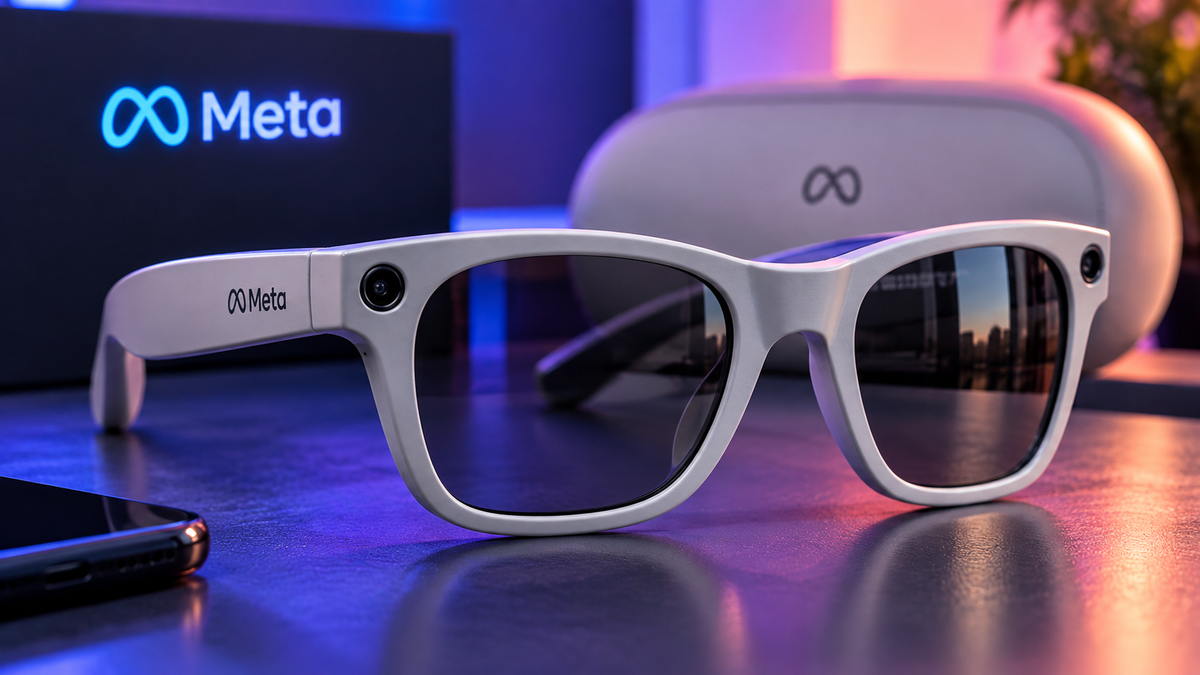
Meta’s AI glasses are rapidly moving from an unusual gadget into an entire category of wearable technology. They can look remarkably similar to conventional spectacles while potentially containing cameras, microphones, speakers and artificial intelligence capable of responding to what is happening around the wearer.
The range is also getting much bigger. Meta says more than 100 glasses options across Ray-Ban, Oakley and Meta Glasses will be available by the end of 2026, including everything from new camera-free Ray-Bans to increasingly sophisticated camera and display models.
What are Meta AI glasses?
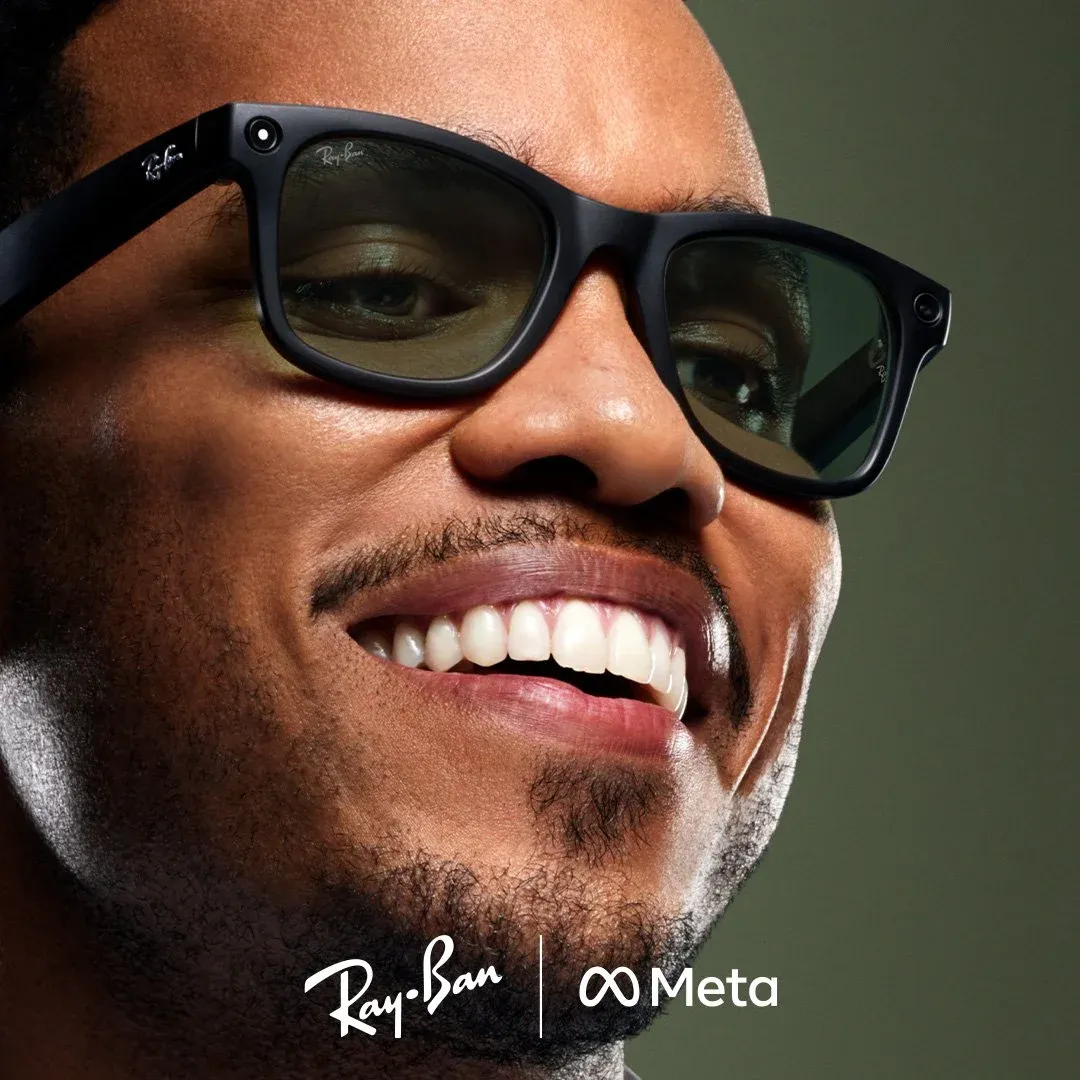
At their simplest, Meta’s glasses combine conventional eyewear with technology normally found across phones, headphones and AI assistants. Open-ear speakers can play music and podcasts, microphones handle calls and voice commands, while Meta AI can answer questions without the wearer taking out a phone.
Camera-equipped versions add hands-free photography and video. More advanced models can use visual information to help AI understand what the wearer is looking at, while Meta is also developing glasses capable of displaying digital information directly within someone’s view.
Which Meta glasses are available?
The new Ray-Ban Meta Audio sits at the less intrusive end of the range. It contains no camera or display but includes speakers, microphones and AI. Meta says the 43-gram glasses provide up to 12 hours of use, with another 48 hours available through the charging case. Prices start at $349, with shipping beginning October 13.
The new Ray-Ban Meta Gen 3 retains visual capture, with a 12-megapixel camera capable of 3K video, a six-microphone array and up to nine hours of battery life. Meta’s wider range includes Oakley models and glasses incorporating displays, making “Meta glasses” an increasingly broad description rather than the name of one particular device.
Why is privacy becoming such a big issue?
The controversy centres largely on camera-equipped versions. A smartphone being pointed towards somebody is relatively easy to recognise, while a camera incorporated into normal-looking spectacles can be considerably less obvious.
That has led to concern about people being recorded without immediately realising it, particularly when footage is subsequently shared online. Critics have also raised concerns about filming women, children and people in locations where recording may be considered intrusive, prompting some campaigners to use deliberately provocative descriptions for the products.
Can someone secretly record you?
Meta says its glasses are not designed for covert recording. Camera models use a white capture LED when gallery photographs, videos or livestreams are being captured, and Meta says covering or disabling that light automatically disables the camera.
There is, however, an important distinction involving AI. Ray-Ban’s current documentation says newer models don’t necessarily illuminate the capture LED when the camera is being used for certain AI functions, such as identifying a landmark or plant, because that visual information isn’t being captured for the user’s gallery.
That doesn’t mean the glasses are secretly filming a video. It does mean camera use and recording for the gallery aren’t always the same thing, which is important when discussing what people around the wearer can see.
What happens to photographs and video?

Meta says ordinary photographs and videos captured for the wearer’s gallery remain privately stored on the glasses until the owner chooses to import them to a phone. The wearer then decides whether to keep, share or upload them.
Visual AI works differently. Ray-Ban says that when users ask Meta AI questions about what they’re seeing, relevant visual information can be sent to Meta’s cloud for processing. Meta is now also developing Private Processing for its glasses, designed to allow more demanding cloud AI tasks to operate in confidential computing environments.
Is removing the camera the answer?
Ray-Ban Meta Audio creates an interesting alternative because there simply isn’t a camera available for visual recording. The glasses still contain microphones and connect to AI services, so they don’t eliminate every privacy consideration, but they remove the most visible source of controversy.
That could become increasingly important as AI glasses become more common. Some people may want translation, music, calls and an AI assistant without wanting a camera sitting on their face throughout the day.
Meta’s expanding range therefore creates a distinction that didn’t previously exist so clearly. Buying AI glasses no longer automatically means buying camera glasses, giving consumers much more choice over how much technology they are comfortable wearing.