Men’s World Cup 2026 Referee Brooke Mayo Makes History as First Openly LGBTQ+ Match Official


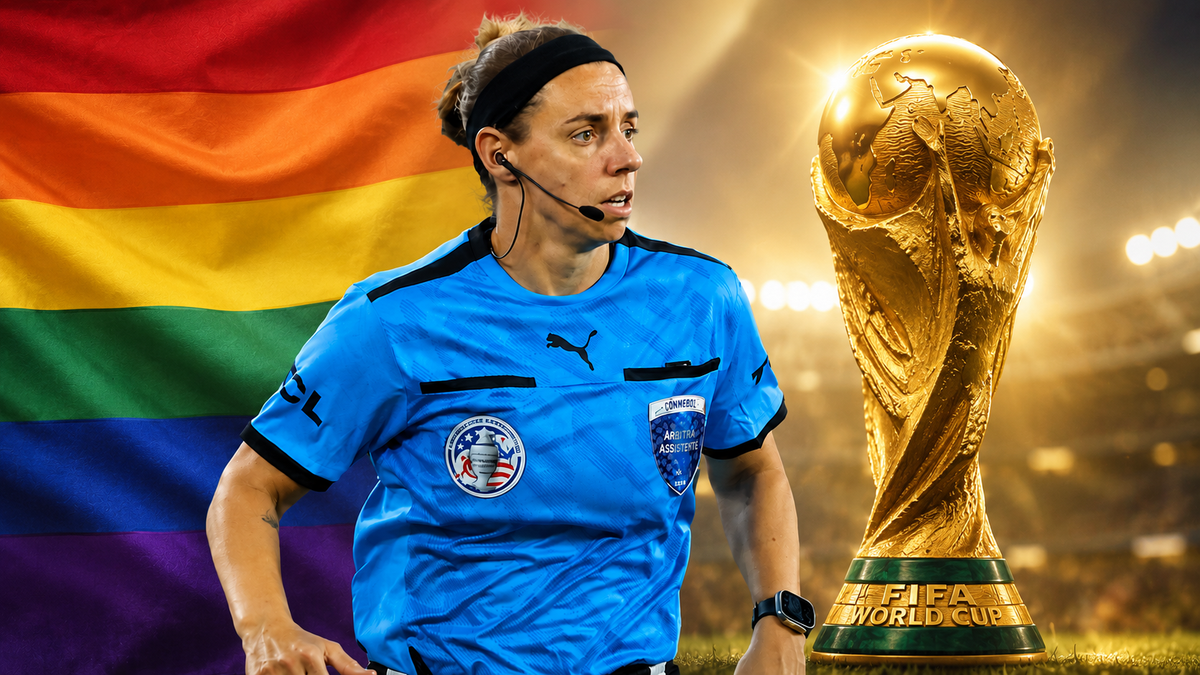
The 2026 FIFA Men’s World Cup has already produced memorable moments on the pitch, but one of the tournament’s most significant milestones happened before a ball was even kicked.
Assistant referee Brooke Mayo became the first openly LGBTQ+ match official to take part in a men’s FIFA World Cup match, marking a historic moment for football and representation at the highest level of the sport.
Mayo was part of the officiating team for the Group A match between Czech Republic and South Africa in Atlanta, working alongside referee Tori Penso and fellow assistant referee Kathryn Nesbitt. The appointment was significant for several reasons. Not only was Mayo the first openly LGBTQ+ match official to work at a men’s World Cup, but the trio also became the first all female and all American officiating crew to take charge of a men’s FIFA World Cup fixture.
For many supporters, it represented another step forward for inclusion in a sport that has often struggled with LGBTQ+ visibility, particularly within the men’s game.
From Texas Beginnings to the World Cup Stage
Mayo’s journey to football’s biggest tournament began in Garland, Texas.
She started playing football at the age of four and later took up refereeing as a teenager. While many young players dream of scoring goals in front of packed stadiums, Mayo found her passion in officiating and quickly began building a career that would take her around the world.
After receiving an athletic scholarship to Tennessee Tech University, she continued to develop both as a player and a referee. Her talent as an official soon became clear.
Over the following years, Mayo progressed through the ranks of American football, eventually earning her FIFA badge in 2018. She later worked Major League Soccer matches and became one of the most respected assistant referees in the game.
Her international experience includes the 2022 FIFA Under 20 Women’s World Cup, the 2023 FIFA Women’s World Cup in Australia and New Zealand, and the 2024 Olympic Games in Paris.
One of the standout moments of her career came during the 2023 Women’s World Cup Final between Spain and England, where she was part of the officiating team on football’s biggest stage.
Speaking Openly About Her Identity
While Mayo’s football achievements alone are remarkable, her openness about her identity has also made her an important figure for LGBTQ+ representation in sport.
In 2024, she publicly described herself as a member of the LGBTQ+ community and later spoke in detail about the challenges she faced growing up in the American South.
Reflecting on her experiences, Mayo explained that balancing authenticity and personal safety was often difficult.
She revealed that concerns about her family’s wellbeing played a major role in her decision to move away from the South and build a new life in Colorado.
Today, Mayo lives in Colorado with her wife while continuing her work as a football official, substitute teacher and coach.
Her willingness to speak openly about those experiences has resonated with many people both inside and outside football.
Football as a Place of Belonging
Throughout her career, Mayo has repeatedly spoken about the role football has played in her life.
She has described the sport as a place where she feels most accepted and supported, regardless of background or identity.
That message formed a central part of her reflections during Pride Month, where she encouraged people who may be struggling with their own journeys to know that they belong.
Her comments have been widely praised for highlighting the positive role sport can play in bringing people together.
At a time when debates around inclusion continue across many areas of society, Mayo’s story demonstrates how football can provide opportunities, friendships and a sense of community that extends far beyond the pitch.
Why This Moment Matters
The significance of Mayo’s appointment goes beyond a single match.
Football remains the world’s most watched sport, with FIFA World Cup matches attracting audiences of hundreds of millions across the globe. Visibility at that level matters.
While women’s football has seen increasing numbers of openly LGBTQ+ players and officials over the years, representation within elite men’s football has often lagged behind.
Very few openly LGBTQ+ individuals have occupied highly visible positions at major men’s football tournaments.
That is why Mayo’s appointment attracted international attention.
For young referees, coaches and players watching around the world, seeing someone who is openly part of the LGBTQ+ community working at the highest level sends a powerful message that football is for everyone.
Importantly, Mayo has also stressed that representation should not be the final destination. She has called on football to continue becoming a safe and welcoming environment for all participants regardless of gender, sexuality, race or background.
A Landmark World Cup Achievement
The 2026 FIFA Men’s World Cup will ultimately be remembered for trophies, goals and dramatic moments.
Yet some of its most important stories will not appear on the scoresheet.
Brooke Mayo’s appointment represented a landmark achievement for football, women’s officiating and LGBTQ+ visibility on one of the biggest sporting stages in the world.
After years of dedication, hard work and progression through the ranks of the game, Mayo earned her place at the World Cup on merit.
The fact that her appearance also broke new ground makes the achievement even more significant.
For football supporters across the world, it was a reminder that the game continues to evolve and that history can be made in many different ways, both on and off the pitch.