Mary J. Blige Suno AI Ad Pulled After Singer Never Approved Campaign
Suno has pulled an AI advert featuring Mary J. Blige after revealing it made a deal with someone who falsely presented themselves as her official representative.

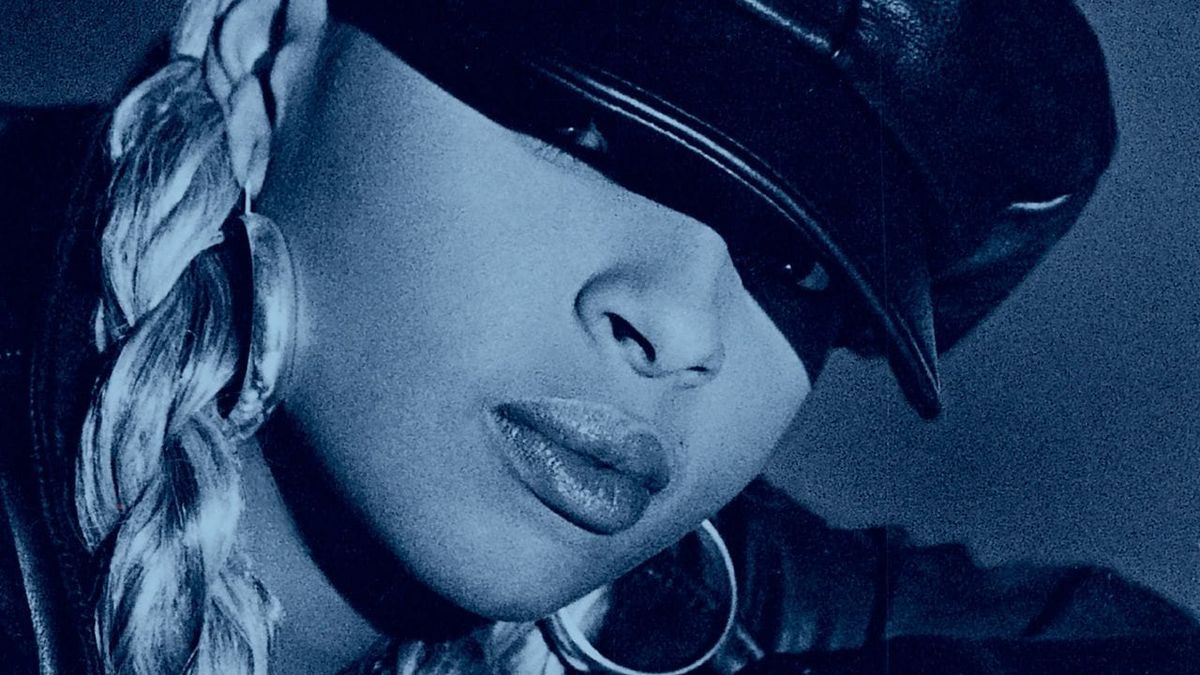
An AI music advert featuring Mary J. Blige, which first appeared on social media on 30 August 2026, has been pulled after Suno revealed the singer had never approved the campaign.
The video had appeared to show the R&B star reacting positively to the company’s generative AI music technology, leading many viewers to believe she was endorsing the platform.
The video showed Blige in a recording studio as an AI generated R&B track called “Pretty Flowers” was created using Suno. She was shown reacting to the music and suggesting changes including strings and a beat, with the resulting footage creating the impression that she was supporting the technology.

Suno later revealed that the campaign had been arranged through somebody who presented themselves as Blige’s official representative. The company said it terminated the advertising campaign after discovering that the person was not authorised to represent her and learning that Blige was uncomfortable with the advert.
Suno said:
“We entered into a business deal with someone who presented themselves as Ms. Blige’s official representative. As soon as we learned this was not the case, and that Ms. Blige was uncomfortable, we terminated the advertising campaign.”
The controversy emerged around the same time as the release of Suno Studio 2.0, an expanded version of the company’s music creation platform. The update introduced additional production tools as Suno continues to push further into AI assisted music creation.
The incident also comes as Suno faces wider scrutiny surrounding artists’ rights and generative AI. Musicians including Jason Isbell, David Lowery, Guy Forsyth and Eduardo Calle have launched legal action alleging that the technology can be used to imitate artists without permission, claims Suno disputes.
The Blige case adds another issue to the growing AI music debate because it focuses not only on how music is generated, but also on consent. For artists, the question increasingly extends to who has permission to associate their name, image and reputation with AI technology in the first place.
The incident puts artist approval and consent firmly back at the centre of the debate surrounding AI in entertainment.
Sources: Entertainment Weekly, Reuters, Stereogum, Suno