Mark Hamill AI Trump Image Row: When Celebrity Politics and Synthetic Media Collide
Star Wars actor Mark Hamill deleted an AI-generated Donald Trump image after White House criticism, reopening debate over celebrity politics and synthetic media.

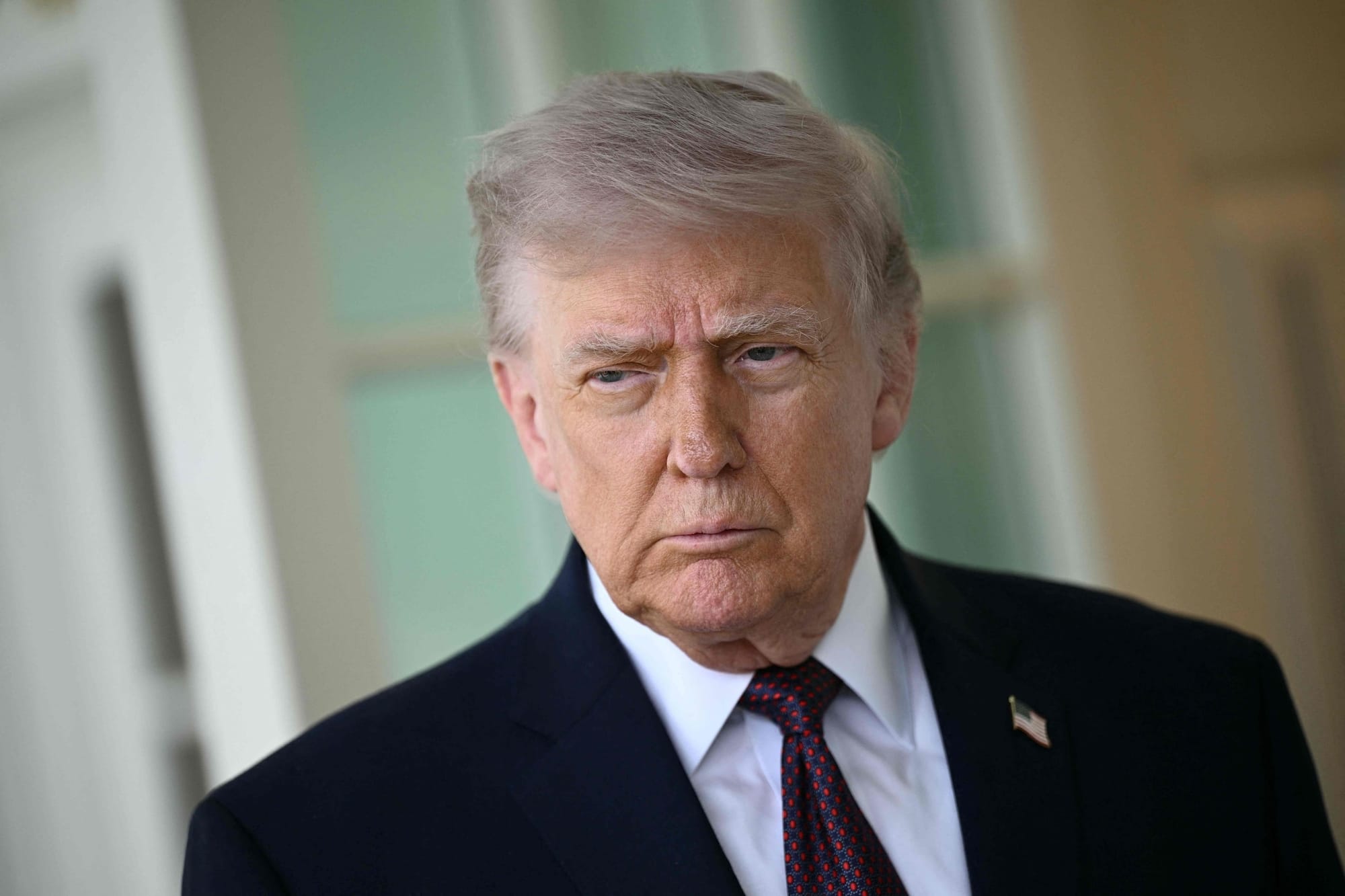
Star Wars actor Mark Hamill became the centre of a political and artificial intelligence row after sharing an AI-generated image depicting US President Donald Trump lying in a grave.
Hamill later deleted the image and clarified that he was not wishing Trump dead. The controversy nevertheless highlights a growing problem surrounding synthetic political imagery: an image created as commentary or satire can quickly travel far beyond its original context.
What did Mark Hamill post?
Hamill shared the image on Bluesky in May 2026. It depicted Trump beside a gravestone bearing his name and the years 1946–2024, accompanied by the words “If Only.”
His accompanying comments provided important context. Hamill wrote that Trump should live long enough to witness political defeat and face accountability, meaning the written message was calling for Trump to remain alive even though the image itself depicted his death.
The White House responded strongly, describing Hamill as a “sick individual” and arguing that rhetoric of this kind could contribute to threats against the president. That was the administration’s assessment of the post rather than a finding that Hamill had made a direct threat or encouraged a specific act of violence.
Hamill deleted the image and clarified his meaning
After criticism of the post grew, Hamill removed the image and issued a further clarification. He said he had intended the opposite of wishing Trump dead and apologised to people who considered the image inappropriate.
That distinction is important when considering controversial political imagery. Context, intent and how an audience reasonably understands a post can all matter when distinguishing provocative satire or commentary from an actual threat.
The difficulty with synthetic media is that those elements can become separated very quickly. Someone can screenshot an AI-generated image, remove the accompanying text and repost it elsewhere, leaving later viewers with a picture but none of the explanation that originally surrounded it.
Why does the AI element matter?
Political satire involving presidents and celebrities is nothing new. Cartoons, manipulated photographs and comedy sketches have depicted public figures in fictional or exaggerated circumstances for generations.
Generative AI changes how easily realistic versions of those images can be created. Someone who previously needed illustration, photography or visual-effects skills can now produce convincing fictional scenes using widely available tools.
Synthetic video and audio add another layer, potentially making public figures appear to say or do things that never happened. While Hamill’s image was political commentary rather than an attempt to convince people Trump had actually died, the same underlying technology can also be used for deliberate deception.
That is why context and provenance are becoming increasingly important. Knowing where an image came from, who created or shared it and whether it has been altered can significantly change how it should be interpreted.
What do platform rules say?
Social platforms increasingly have to decide how violent imagery, political expression and synthetic media fit together. Bluesky’s community guidelines prohibit threats of death or serious harm and content that promotes or incites violence.
That does not mean every fictional image depicting death automatically breaches those rules. Moderation can depend on surrounding language, context and whether material is interpreted as a genuine threat, encouragement of violence, satire or political commentary.
There has been no publicly established platform ruling showing that Hamill’s post was formally judged to have violated those rules. His decision to delete it came amid the wider criticism and was followed by his clarification of what he intended to say.
Celebrities can give synthetic content a huge audience
The issue looks different when AI imagery is shared by somebody with an established public profile. Hamill is internationally recognised through Star Wars and has long used social media to express political opinions.
A synthetic political image shared by a major actor can therefore reach audiences far beyond communities already interested in generative technology. AI is effectively becoming another communication tool available to actors, musicians, politicians and other public figures.
There is nothing unusual about entertainers expressing political opinions. What has changed is the ability to accompany those opinions with highly realistic fictional imagery that can carry significantly more emotional impact than a conventional text post.
AI imagery is already part of political communication
The controversy also exists within a political environment where digitally generated and AI-style imagery is being used by different sides of American politics.
The Trump administration has itself shared highly stylised imagery incorporating popular entertainment references, including Star Wars-inspired material. That does not make those posts equivalent to Hamill’s image, but it demonstrates how synthetic and digitally altered visuals have entered mainstream political communication.
Popular culture is particularly useful because familiar characters and fictional worlds can communicate a political message almost immediately. Generative technology makes creating those references faster and accessible to far more people.
Entertainment, politics and AI are increasingly overlapping
Hamill’s involvement is particularly notable because Star Wars imagery has been borrowed for political commentary for decades. References to empires, rebellions, the dark side and the Force have regularly moved beyond entertainment into political language.
AI now allows those ideas to be visualised with real politicians placed directly inside fictional settings. That creates new possibilities for satire but also raises questions about misinformation, copyright, political manipulation and the responsibilities of people with very large audiences.
The same technology can produce an obvious joke in one context and something misleading in another. Once synthetic material begins circulating independently from the person who created it, the distinction can become much harder for audiences to recognise.
Creating political imagery is easier, judging it is not
The Hamill controversy ultimately demonstrates how quickly synthetic media has entered everyday political debate. Celebrities, governments, campaigns and ordinary users can now create images that previously might have required professional artists or visual-effects teams.
That makes producing political imagery easier than ever, but deciding where commentary ends and harmful or deceptive material begins is becoming considerably more complicated.
Hamill’s deleted post became a national controversy almost immediately. As increasingly realistic AI imagery becomes part of normal online communication, understanding the context behind what we see may become just as important as the image itself.
For more on how artificial intelligence is changing entertainment, media and popular culture, visit SoapLandTV’s AI & Entertainment hub. Explore our latest AI Entertainment News alongside Industry & Debate, AI Films, AI Animation and Behind the Technology.