Hollywood is bringing dead actors back with AI, but should it?
Hollywood is recreating deceased actors using AI and CGI, including Val Kilmer and Gene Wilder, raising questions about consent and the future of film.

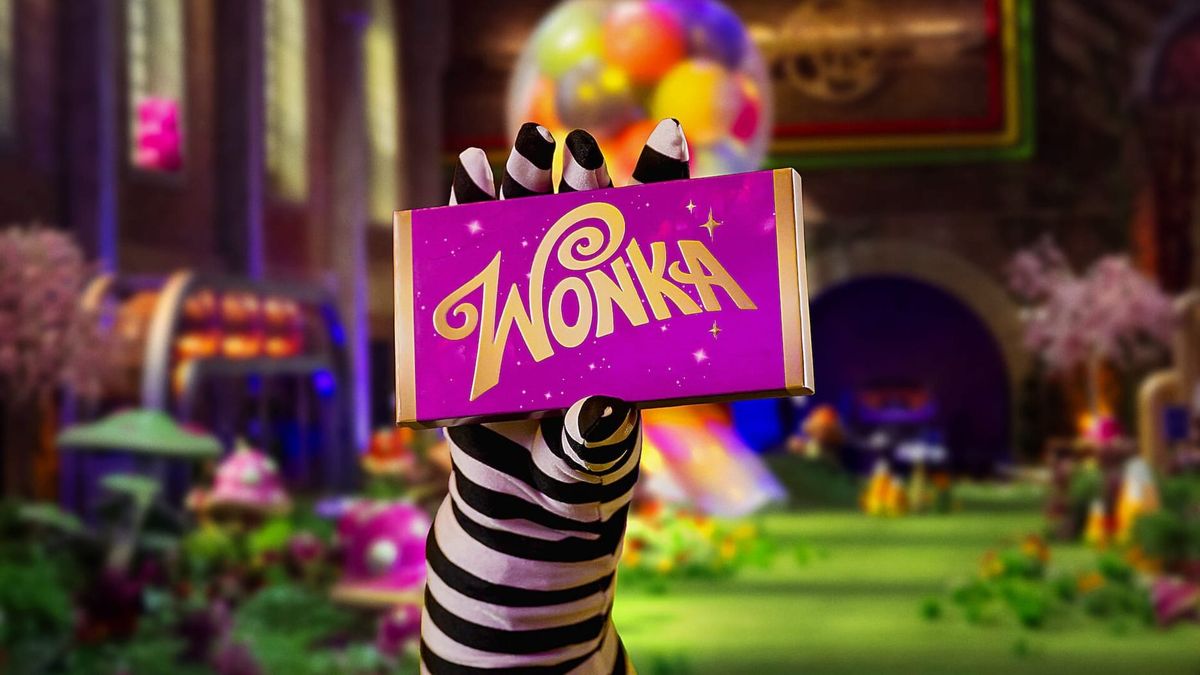
Hollywood is finding new ways to bring deceased actors back to the screen, using artificial intelligence and digital technology to recreate familiar faces and voices years after their deaths.
From Gene Wilder and Val Kilmer to Carrie Fisher and Ian Holm, filmmakers have used different techniques to revisit performances that audiences thought they had seen for the final time. While some projects have received approval from the actors’ families, the developments are raising questions about consent, creative ownership and how far the entertainment industry should go.
The technology is also becoming more sophisticated, creating opportunities for filmmakers while challenging traditional ideas about what constitutes an authentic acting performance.
Gene Wilder’s voice recreated for Netflix
One of the most prominent recent examples involves Gene Wilder, whose voice was recreated using artificial intelligence for Netflix’s Wonka’s The Golden Ticket.
Wilder, who famously portrayed Willy Wonka in the 1971 film Willy Wonka & the Chocolate Factory, died in 2016. The reality competition series, released in September 2026, uses an AI-generated recreation of his voice to guide contestants through challenges inspired by the fictional chocolate factory.
Netflix worked with AI voice company ElevenLabs and received permission from Wilder’s widow, Karen, who supported the recreation. The production also used archived recordings and audiobooks to help reproduce the actor’s distinctive delivery.
The decision nevertheless attracted criticism from viewers uncomfortable with recreating the voices of deceased performers, particularly when those performers cannot personally approve their participation.
Val Kilmer recreated for new film
Val Kilmer, who died in April 2025, is another actor whose likeness has been digitally recreated using generative AI.
Kilmer had been cast as Father Fintan in As Deep as the Grave, a historical drama based on the lives of archaeologists Ann and Earl Morris. However, his declining health prevented him from filming his scenes.
Rather than remove the character entirely, filmmakers worked with his estate and daughter Mercedes to create a digital version of the actor using photographs, archived material and artificial intelligence.
A trailer released in April 2026 offered audiences their first look at the recreated performance, showing Kilmer’s character at different stages of his life.
His involvement is particularly significant because he had already accepted the role before his death. Kilmer had also previously explored voice-recreation technology after treatment for throat cancer affected his ability to speak.
The production illustrates how AI can potentially complete a performance that an actor had originally intended to give, although the finished result still depends on creative decisions made by other people.
Star Wars and Alien have already explored digital recreations
Digital recreations are not entirely new to Hollywood, although the techniques used have developed considerably.
Carrie Fisher appeared in Star Wars: The Rise of Skywalker following her death in 2016, with filmmakers using previously recorded footage and digital enhancements to preserve her portrayal of Princess Leia.
Peter Cushing was digitally recreated as Grand Moff Tarkin in Rogue One: A Star Wars Story, more than two decades after his death.
More recently, Alien: Romulus recreated the likeness of Ian Holm for the android Rook, with actor Daniel Betts contributing to the performance.
These examples highlight an important distinction between conventional computer-generated imagery, the manipulation of existing footage and modern generative AI. Although the results can appear similar, the production methods and level of human involvement vary considerably.
Should Hollywood recreate actors who have died?
The growing use of digital recreations raises questions extending beyond whether the technology produces convincing results.
Family approval can provide reassurance that a performer’s legacy is being respected, but relatives cannot necessarily know how an actor would have approached a new role or responded to a particular script.
There are also concerns about how digital likenesses might be used commercially, particularly if technology eventually allows studios to generate entirely new performances without employing a living actor.
Not every production is embracing the possibilities. Nina Jacobson, a producer of the planned Dirty Dancing sequel, has rejected the idea of using AI to recreate Patrick Swayze, who died in 2009.
For supporters, the technology offers opportunities to preserve cherished characters and complete unfinished projects. Critics, however, question whether recreating an actor’s appearance and voice is enough to reproduce the emotional depth of their work.
As artificial intelligence becomes increasingly integrated into filmmaking, Hollywood will face more decisions about who should control a performer’s image after death.
The technology may be capable of reproducing a recognisable face or voice, but the question of whether it should be used remains considerably more complicated.