Former Disney AI Executive Joins Studio Making Antonio Banderas Film With Artificial Intelligence
Former Disney AI executive Hans Ku joins Utopai Studios as it develops Antonio Banderas film Cortés and new technology for feature-length AI filmmaking.


A former Disney AI executive has joined Utopai Studios, the company developing a historical epic starring Antonio Banderas, as it attempts to prove artificial intelligence can be used to produce commercially viable feature films.
Hans Ku has been appointed chief product officer, taking responsibility for the technology supporting Utopai's growing film and television slate. His arrival comes as the company develops production tools intended to give filmmakers greater control over AI-generated scenes, rather than relying on individual clips that may be difficult to combine into a finished film.
Why Has Utopai Recruited Hans Ku?
Ku previously served as vice-president of AI and engineering within Disney's Office of Technology Enablement, where he worked on generative AI strategy and the development of new production technology.
He was also involved in Disney's collaboration with OpenAI around Sora, helping connect the technology company's research teams with Disney's creative and business operations.
His earlier career included developing digital animation systems at Disney and working on DreamColor display technology with HP while at DreamWorks Animation. That work received a Scientific and Engineering Award from the Academy of Motion Picture Arts and Sciences.
At Utopai, Ku will oversee PAI, the company's AI production platform, alongside engineering, research and commercial partnerships.
His responsibilities also include developing systems that record the origin of production materials and generated assets, an important consideration for studios concerned about copyright and the ownership of AI-created content.
Why Is Antonio Banderas Film Cortés Such an Important Test?
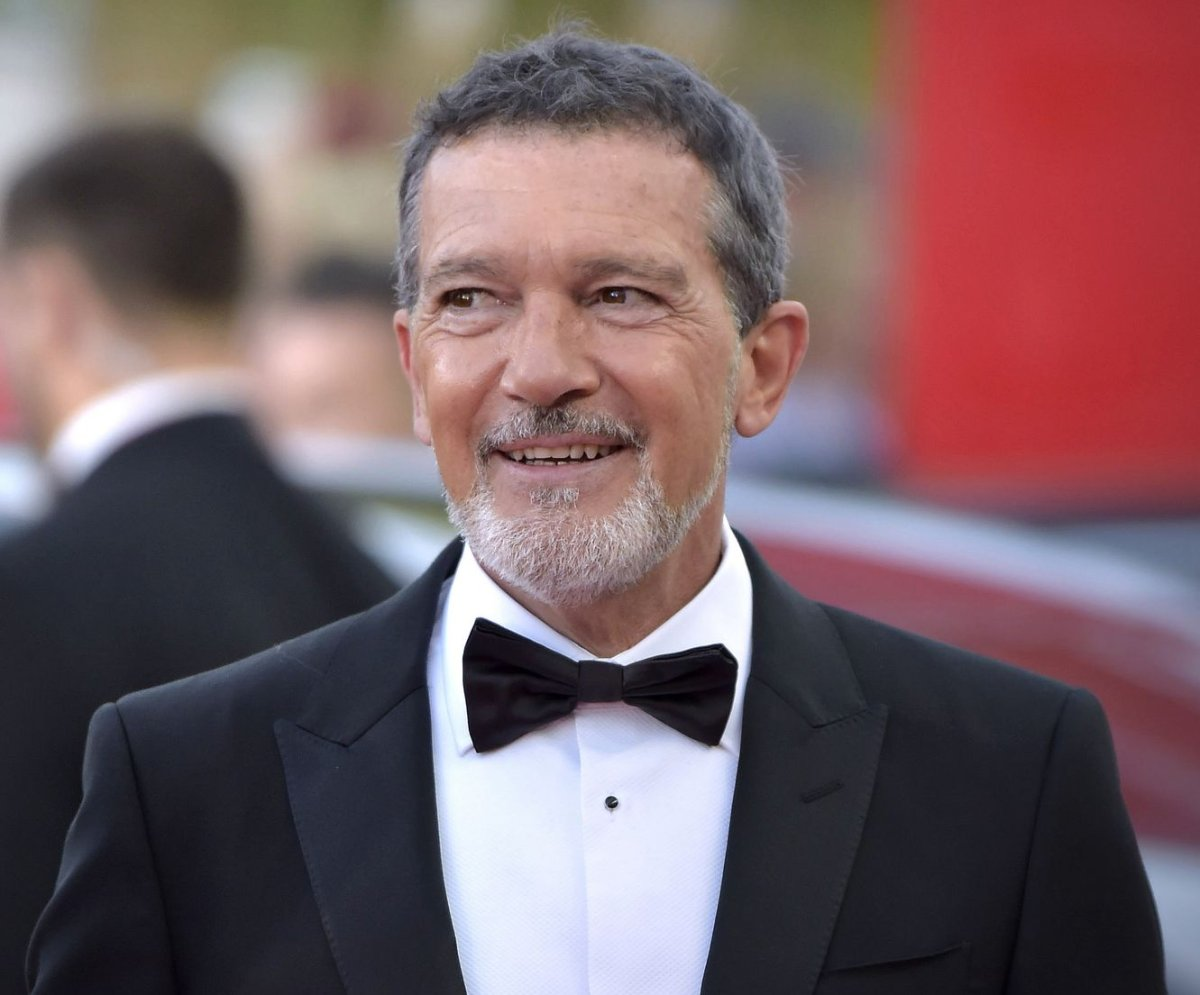
One of Utopai's biggest projects is Cortés, starring Antonio Banderas as Hernán Cortés during the Spanish conquest of the Aztec Empire.
Directed by Paul Mignot and written by Nicholas Kazan, the historical epic is set in 1519 and follows events surrounding the Spanish expedition into Mexico.
Kazan has spent more than 30 years attempting to bring the story to the screen, with its scale and expense presenting major obstacles. The production requires historical environments, large settlements and complicated sequences involving the clash between Spanish and Indigenous civilisations.
Utopai intends to use AI-assisted production technology to help recreate these settings while allowing the filmmakers to retain control over the finished film.
The project is listed as being in production, with a planned release in 2027 and international sales handled by K5 International.
However, the company has not disclosed the film's full budget, the proportion of footage that will use AI or independently verified figures showing how much the technology reduces production costs.
That makes Cortés an important test of whether AI can support an ambitious feature rather than simply produce convincing promotional footage.
Can AI Solve the Problems of Feature-Length Filmmaking?
Generating a short video with AI is considerably different from producing a feature film with consistent characters, settings and performances.
An individual scene may look convincing, but a film requires continuity across numerous sequences, with costumes, lighting, locations and character appearances remaining consistent.
Directors also need to make precise adjustments without unintentionally altering other parts of a scene. Recreating the same character or environment across multiple shots can require substantial additional work when using generative video systems.
Utopai is developing PAI to address these production challenges through tools for filmmakers, developers and studios.
The company plans to use feedback from its own productions to improve the technology, allowing problems encountered during filming and post-production to inform future development.
Whether that approach reduces costs across an entire production has yet to be demonstrated through independently published comparisons.
What Could This Mean for Independent Filmmakers?
For smaller production companies, access to AI-generated environments could provide opportunities to develop projects that would otherwise require expensive sets, locations or visual effects.
However, the financial advantages will depend on the cost of the software, the amount of additional editing required and whether filmmakers have sufficient control over the generated footage.
Copyright and performers' rights are also important considerations. Studios need to establish whether material can be used commercially, how its origins are documented and what permissions are required when AI systems reproduce or alter performances.
Utopai is developing its technology alongside its own productions, allowing the company to test whether its tools can meet professional filmmaking requirements.
Ku's appointment strengthens that approach by bringing experience from major entertainment companies, but the real evidence will come from completed productions.
With Cortés planned for 2027, audiences and filmmakers will have an opportunity to judge whether AI-assisted production can deliver a convincing historical epic while preserving the creative decisions behind it.