Filmmaker Wins $100,000 for Creating an AI Movie With Elon Musk’s Grok
Filmmaker Nem Perez has won $100,000 after creating a five-minute AI movie inspired by The Odyssey using Elon Musk’s Grok Imagine.


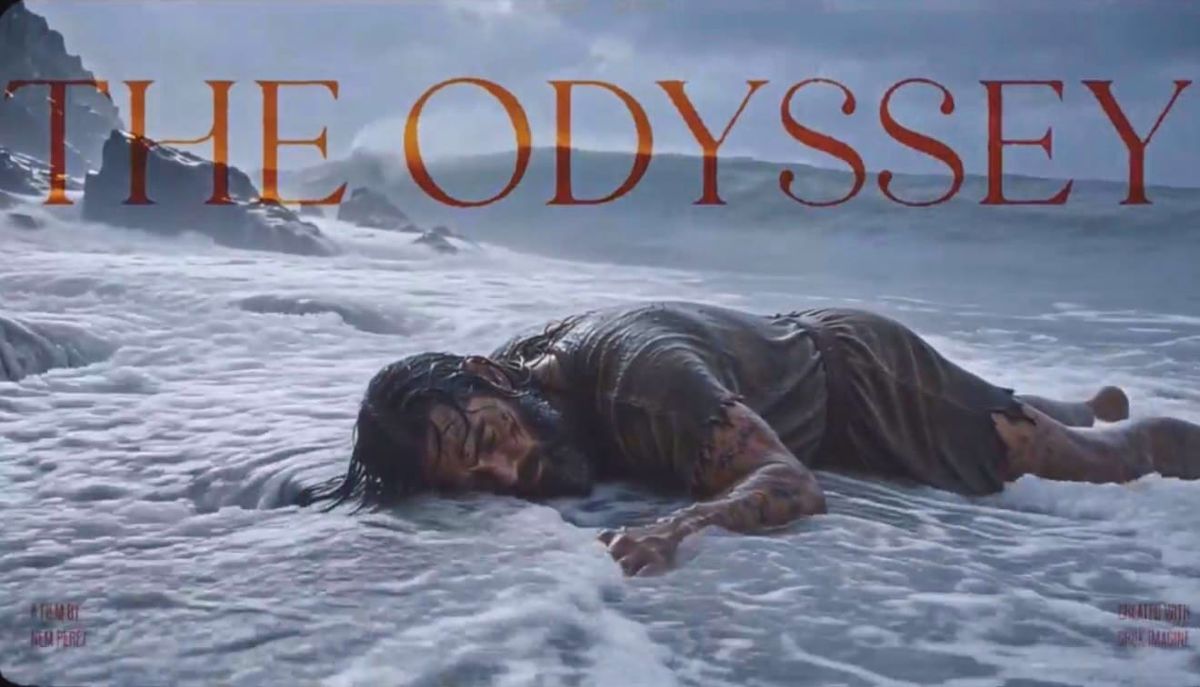
A filmmaker has won $100,000 after creating a five-minute movie with AI, showing just how much one creator can now produce using the latest generation of filmmaking tools.
Nem Perez took the top prize in a US competition challenging filmmakers to create three-to-five-minute productions inspired by The Odyssey using Grok Imagine, the AI image and video technology from Elon Musk’s xAI. The competition offered $175,000 across its three winning entries.
How the five-minute AI movie was made
Perez didn’t simply enter a short description and wait for Grok to produce a finished film. He used the technology throughout different stages of the creative process, beginning with research into Homer’s original story before developing his screenplay and planning what he wanted to show.
Grok Imagine was then used to create and animate the individual shots that make up the finished production. The result includes characters, dialogue, voices, fantasy environments and action, all brought together into a five-minute film.
Perez described the project as his longest and most intricate AI production so far and said he pushed Grok Imagine to its limits while making it. His story focuses partly on Odysseus meeting Princess Nausicaa and recounting his journey, allowing several parts of the epic to appear within the short running time.
His work ultimately secured the $100,000 first prize, with another $75,000 divided between the other two winning filmmakers.
A full-length Grok movie could be next
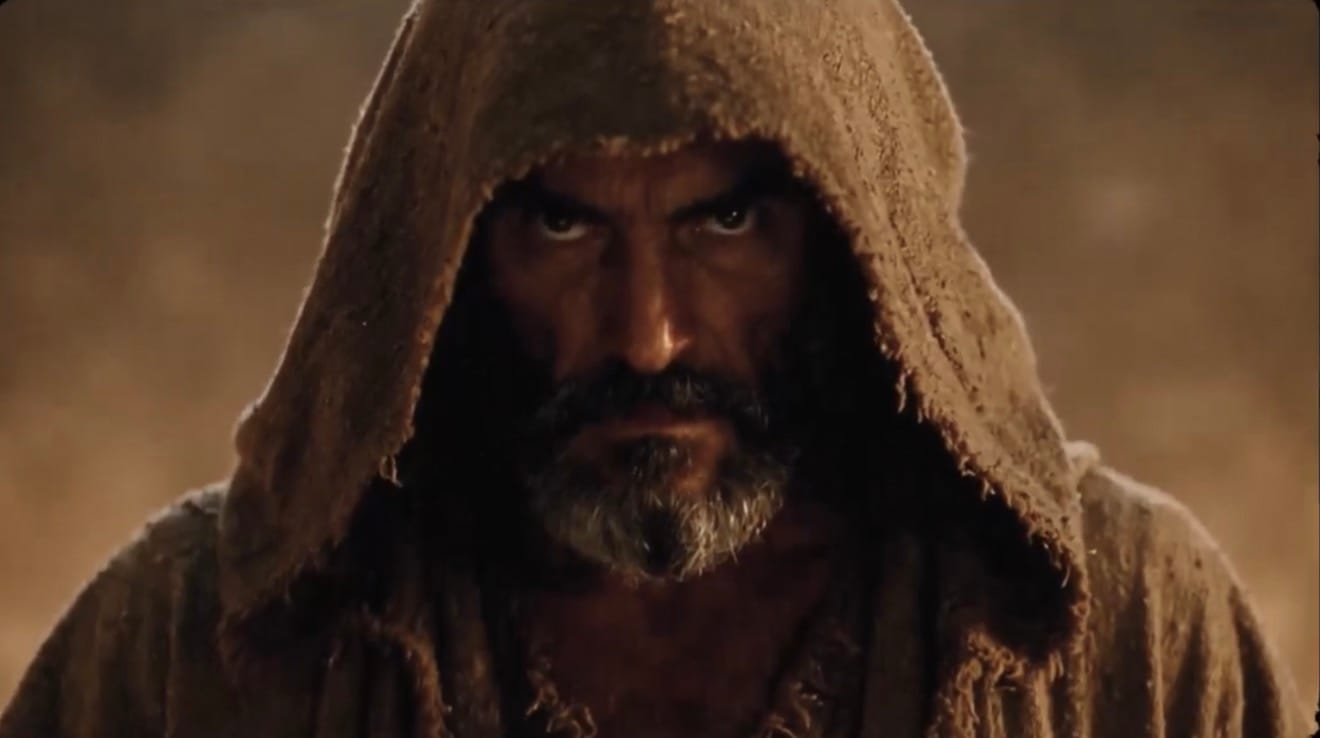
Five minutes could eventually become something considerably bigger. Musk has said Grok Imagine will produce a full-length AI version of The Odyssey before the end of 2026.
That would be a very different test for the technology. A feature-length production would need to keep its characters, voices, locations and story consistent for considerably longer than the short films created for the competition.
It also comes as Christopher Nolan prepares his own major Hollywood adaptation of The Odyssey, providing an unusual contrast between a huge traditional studio production and experiments using generative AI filmmaking.
Perez’s winning film provides a much smaller demonstration of what creators can already build with the technology. The next question is whether the same tools can successfully make the jump from a five-minute film to something audiences would actually sit down and watch for feature length.