Could Jenson really be an undercover Cop in Hollyoaks?
Jenson claims he is an undercover police officer in Hollyoaks, but real covert policing rules make his explanation much more complicated.

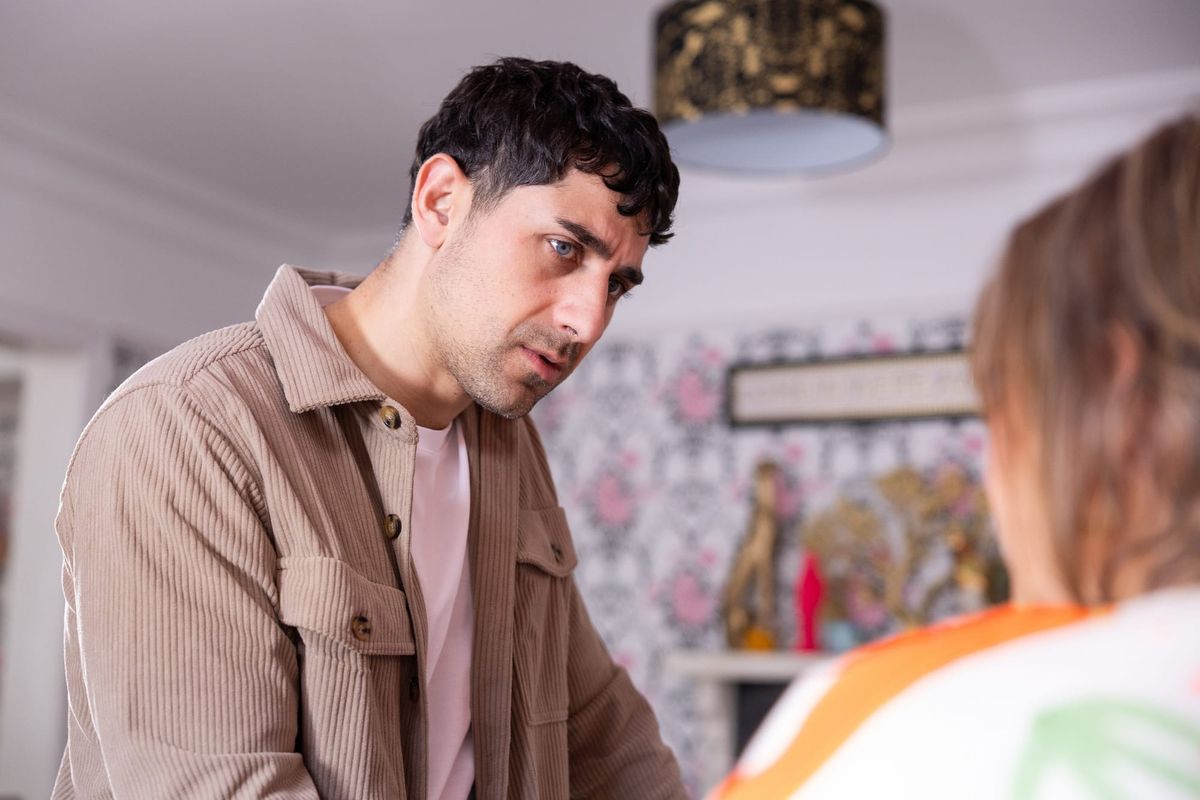
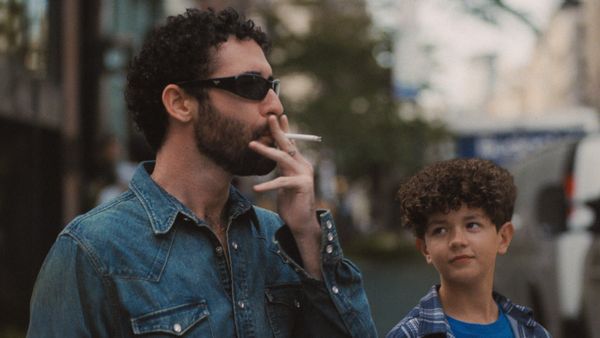
Jenson makes an extraordinary claim in Hollyoaks this week, telling Dodger that the behaviour making him look like a criminal is actually part of an undercover police operation.
He also claims to have information connected with Ste’s disappearance, leaving Dodger unsure whether he has finally heard the truth or simply another carefully constructed lie.
Real undercover policing in England and Wales does allow officers to hide their identity and build relationships with people who do not know they are dealing with police. However, an operation like the one Jenson describes would sit inside a tightly controlled legal framework rather than being something an officer could simply organise for themselves.
Would Jenson need official authorisation?
Yes. An undercover officer establishing relationships to obtain information is treated as a covert human intelligence source, usually shortened to CHIS.

The deployment would need formal authorisation and must be considered necessary and proportionate to the investigation. Officers cannot simply decide that going undercover might be useful and begin operating without supervision.
There would also be management arrangements behind the scenes, including people responsible for handling and overseeing the officer. Risk assessments are required before deployment and must consider what could happen if the undercover identity becomes known.
That makes Jenson revealing his supposed police status to Dodger particularly significant. A genuine officer could disclose their identity if circumstances demanded it, but doing so could compromise both their safety and the investigation, meaning it would hardly be a casual decision.
Can undercover officers commit crimes?
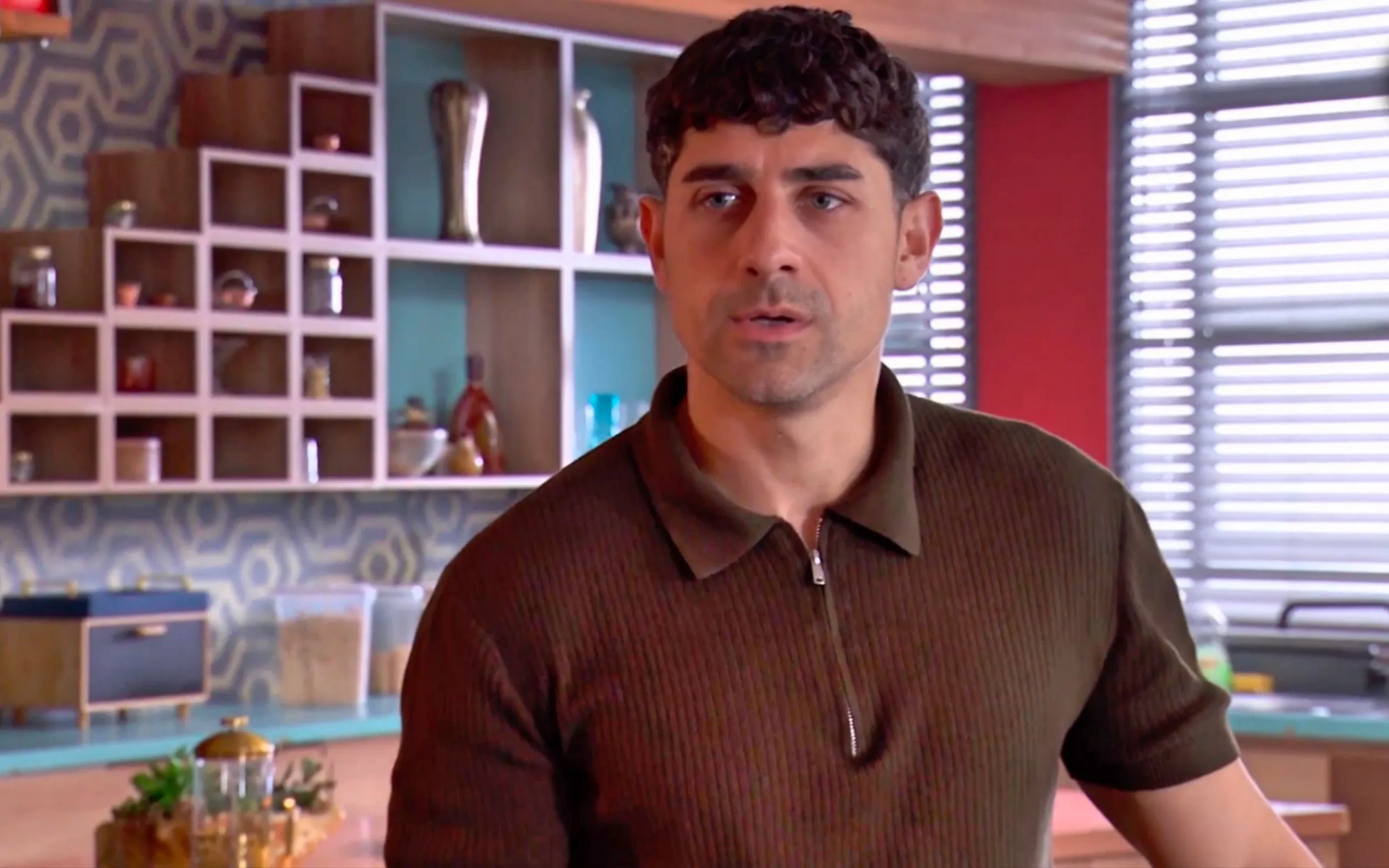
Potentially, but the answer is much narrower than television sometimes suggests. Undercover officers do not receive a general licence to break the law simply because they are working covertly.
Any authorised criminal conduct must be necessary, proportionate and connected with preventing or detecting more serious crime. Officers are also not supposed to manufacture offences that would not otherwise have happened simply to catch somebody committing them.
That means Jenson's past actions would still matter even if his claim eventually proves true. Hollyoaks would need to show that suspicious behaviour formed part of a genuine authorised operation rather than treating “I was undercover” as an explanation for everything.
For viewers, that leaves the most important question unchanged when the episode streams on 5 October. Jenson's story is legally possible, but the real rules mean there should be a much larger police operation sitting behind it if he is telling the truth.
Hollyoaks streams on Channel 4 and airs on E4. Images: Lime Pictures
Police sources: Home Office CHIS Code of Practice, College of Policing undercover policing guidance and Section 29 of the Regulation of Investigatory Powers Act 2000.