Canada Opens National LGBTQ+ Monument Honouring Victims of the LGBT Purge
Canada has opened Thunderhead, its first national 2SLGBTQI+ monument, honouring victims of the LGBT Purge and celebrating generations who fought for equality.


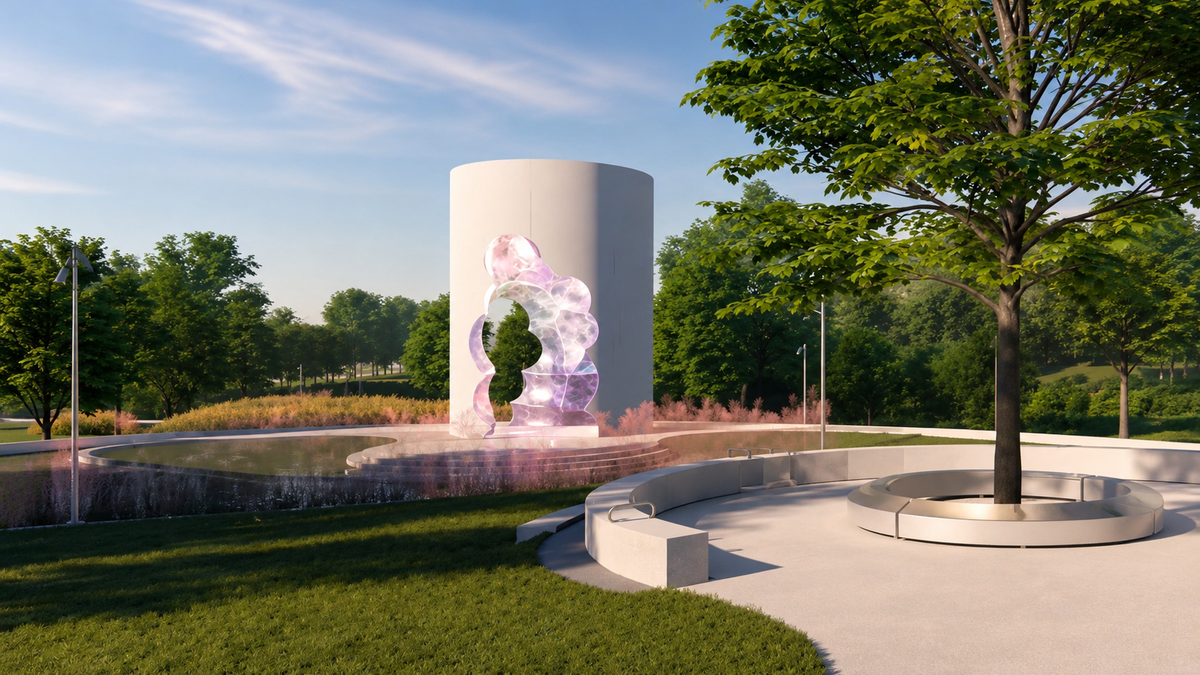
Canada has officially opened Thunderhead, its first national monument dedicated to 2SLGBTQI+ communities, creating a permanent place in Ottawa to remember those harmed by decades of state sanctioned discrimination while also celebrating the people who fought for equality.
The monument officially opened on 21 August at 201 Wellington Street, along the Kichi Sibi, or Ottawa River, near the Portage Bridge. It stands on the unceded and traditional territory of the Anishinabe Algonquin Nation and sits close to some of Canada’s most important national institutions, including Parliament and the Supreme Court.
Thunderhead commemorates one of the darkest periods in Canada’s LGBTQ+ history. Between the 1950s and the mid 1990s, more than 9,000 2SLGBTQI+ members of the Canadian Armed Forces, Royal Canadian Mounted Police and federal public service were investigated as part of what became known as the LGBT Purge
People were systematically targeted, interrogated, harassed and, in many cases, dismissed from their careers because of their sexual orientation or gender identity. The effects stretched far beyond employment, damaging lives, relationships and communities for decades.
Thunderhead was ultimately made possible through legal action brought by survivors. The LGBT Purge class action settlement provided up to $145 million, including $15 million for recognition and memorialisation projects, with 719 people submitting claims through the settlement process.
That connection gives the monument particular significance. Thunderhead is not simply a memorial commissioned years later to acknowledge what happened, but a project directly connected to survivors who challenged the Canadian Government and secured recognition for the discrimination they experienced.
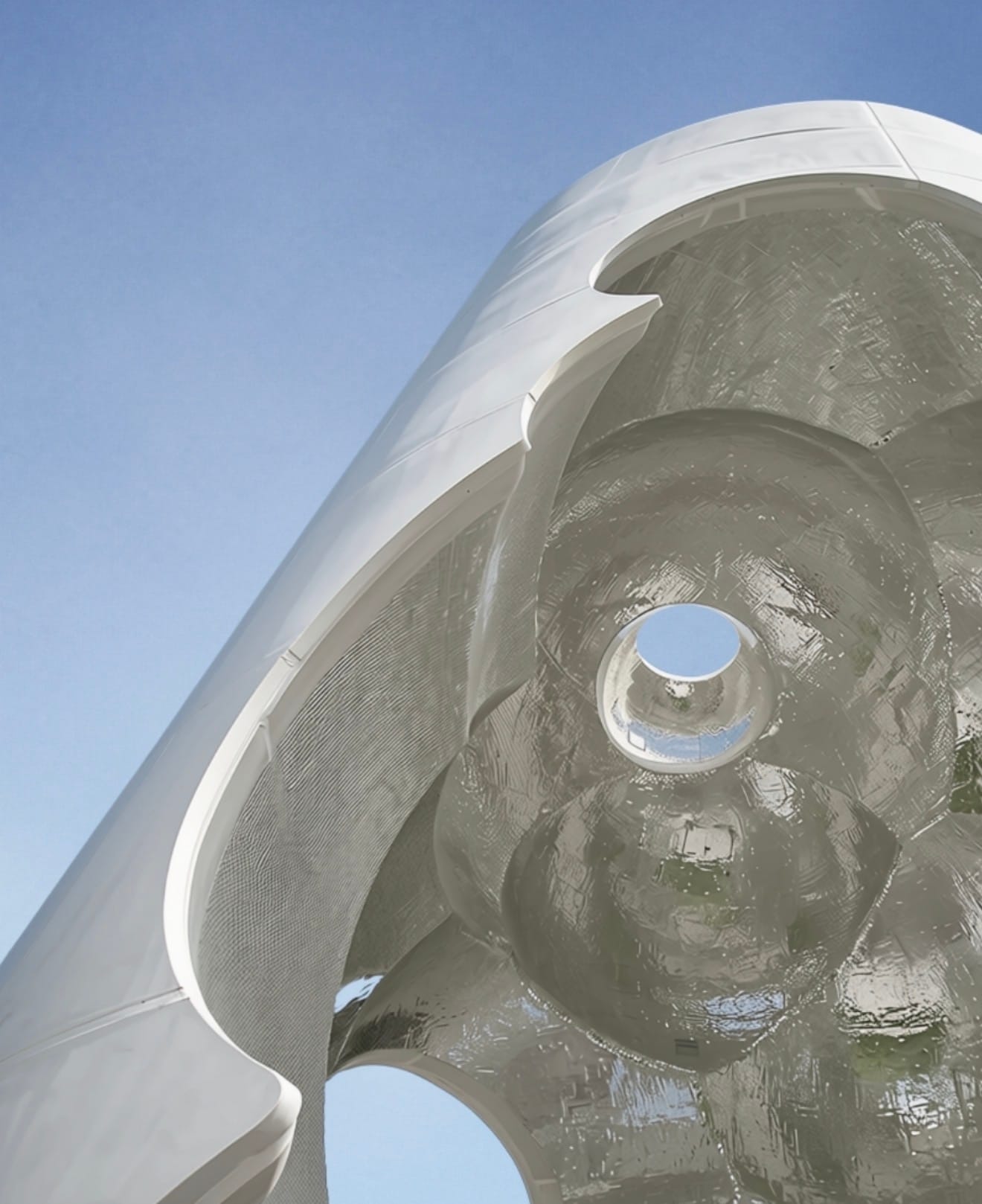
The monument was designed by a Winnipeg based Canadian team led by Public City Architecture, working with Elder Albert McLeod and artists Shawna Dempsey and Lorri Millan. Inspired by the shape and energy of a thunderhead cloud, the design represents the damage caused by discrimination while also symbolising strength, activism, change and hope.
Thousands of mirrored tiles within the structure reflect the diversity of 2SLGBTQI+ communities and remember lives lost too soon. The wider site has also been created as a place for gathering and reflection, with features including a healing circle, medicinal garden, fruit orchard and a sugar maple honouring people who served Canada.
Indigenous partnership is an important part of the project. Thunderhead stands on Anishinabe Algonquin territory, while Two Spirit and Indigenous perspectives were incorporated into the development and design of the monument. Elder Claudette Commanda welcomed those gathered for the official opening ceremony to Algonquin territory.
The ceremony brought together LGBT Purge survivors, families, community representatives, Indigenous partners, activists and government figures. Governor General Louise Arbour delivered remarks alongside Minister of Women and Gender Equality Rechie Valdez, while former Prime Minister Justin Trudeau and Ottawa Mayor Mark Sutcliffe were also reported among those attending.
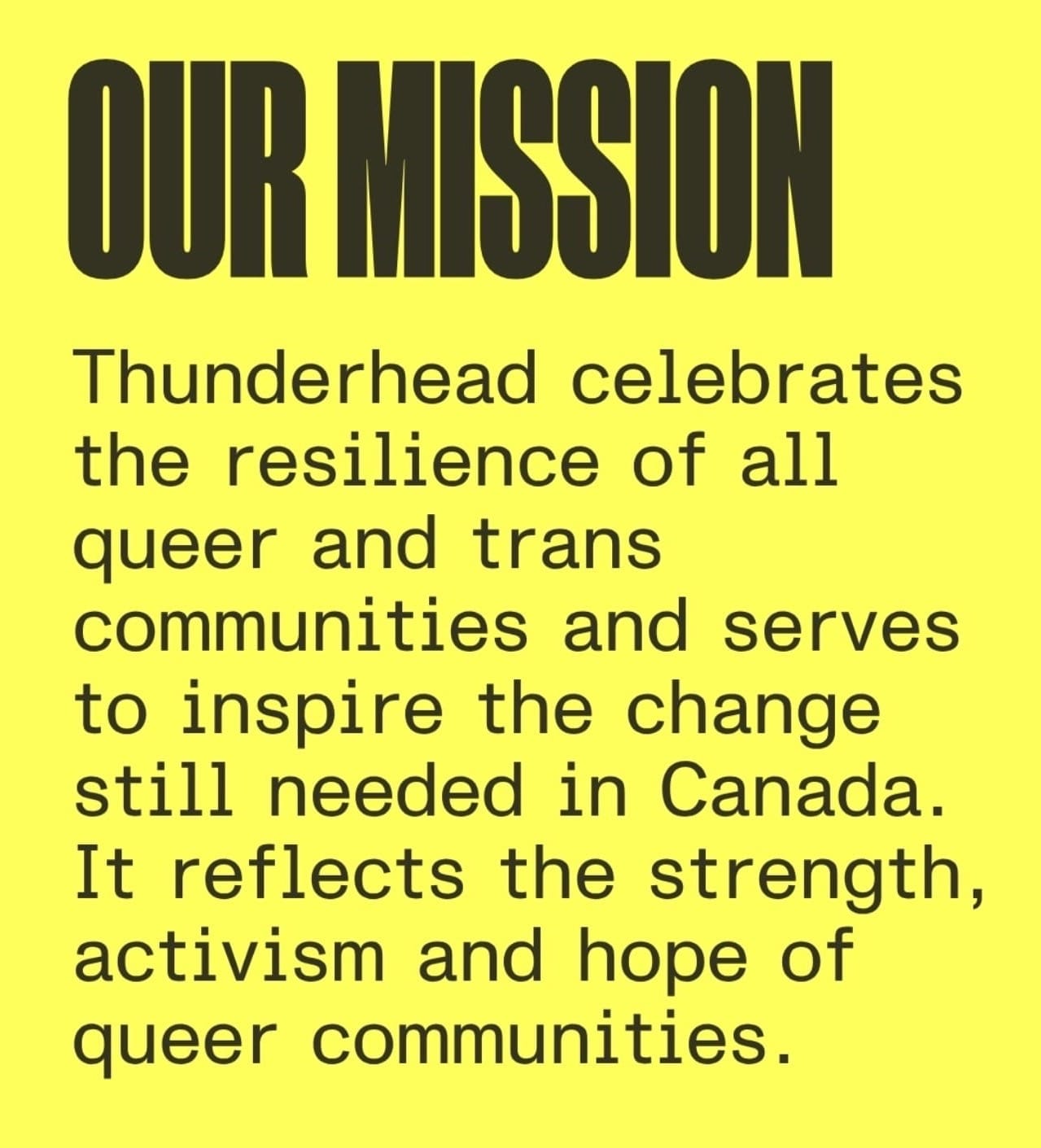
Thunderhead’s own team describes the monument as a place built around resilience, community and change. Its mission is to celebrate the strength of LGBTQ+ and trans communities while recognising that further progress is still needed across Canada, placing the LGBT Purge within a wider history of discrimination experienced by 2SLGBTQI+ people.
The official Thunderhead Monument social channels have also documented the journey from development through to opening, sharing the meaning behind the monument, the people involved and closer views of the completed site. The page provides another way for people outside Ottawa to discover the history behind Thunderhead and follow how the space develops now that it has officially opened.
The monument is intended to be much more than somewhere people visit once to learn about the past. Its creators have developed it as a living public space for education, reflection, ceremony, protest, healing, celebration and community gathering.
That combination of remembrance and celebration is what gives Thunderhead its impact. It acknowledges that progress came because people who were treated unfairly refused to remain silent, while giving future generations a permanent place to understand what happened and recognise the activism that followed.
The opening also came at a time when LGBTQ+ rights continue to face pressure internationally. During her remarks, Governor General Arbour referenced the deadly attack during Pride celebrations in Berlin earlier in the summer, connecting the monument’s message with the continuing need to challenge hatred and discrimination.
Thunderhead therefore looks both backwards and forwards. It asks Canada to remember the harm inflicted on generations of LGBTQ+ people while celebrating the resilience and determination of those who fought to force institutions to change.
You can also learn more about Thunderhead, its history and the people behind the project at thunderheadmonument.ca.
All Image credits - @thunderheadmonument - IG
For more LGBTQ+ news, culture and community stories from the UK and around the world, keep checking SoapLandTV.
Sources: Government of Canada, Office of the Governor General of Canada, LGBT Purge Fund, Thunderhead Monument, CBC News and The Globe and Mail.