Sandra Hüller Stars as Erika Mann in New Film Exploring a Family Divided by Nazi Germany
Sandra Hüller stars as bisexual writer Erika Mann in Fatherland, a new historical drama exploring the Mann family in post-war Germany.

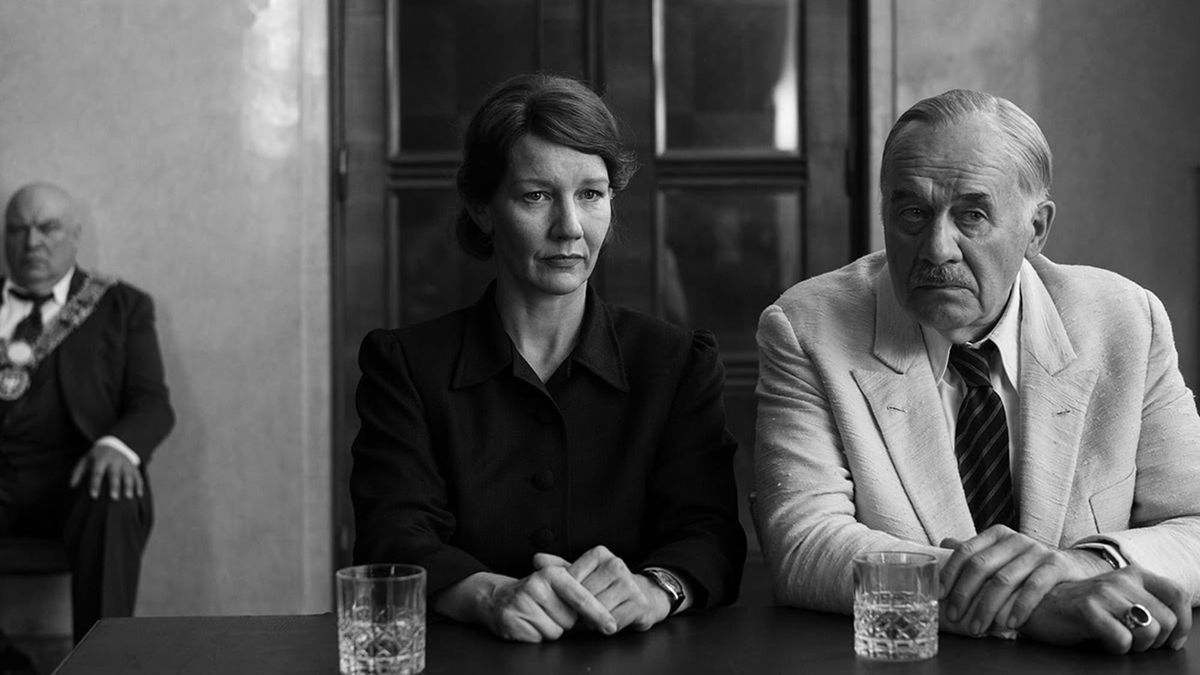
Sandra Hüller is taking on the role of bisexual writer and anti-fascist campaigner Erika Mann in Fatherland, a new historical drama examining the complicated relationship between one of Germany's most celebrated literary families and the country they were forced to leave behind.
Released in UK cinemas on Friday 23 October, the film is directed by Oscar-winning filmmaker Paweł Pawlikowski and follows Nobel Prize-winning novelist Thomas Mann as he returns to Germany in 1949, accompanied by his daughter Erika. Their journey through a country still recovering from the Second World War exposes tensions within the family, particularly surrounding Erika's troubled brother Klaus.
The film combines a personal family story with questions about national identity, exile and political responsibility, while bringing renewed attention to two siblings whose lives and relationships challenged the conventions of their time.
What Is Fatherland About?
Set during the early years of the Cold War, Fatherland follows Thomas and Erika as they travel across Germany in a black Buick, journeying from American-controlled Frankfurt towards Soviet-controlled Weimar.
Thomas has spent years in exile after opposing Hitler's regime, but his return is far from straightforward. Germany is physically devastated and politically divided, with competing authorities eager to associate themselves with the internationally respected writer.
For Erika, the journey is equally difficult. She has built a life shaped by political activism, journalism and her opposition to Nazism, but returning to the country of her birth also means confronting painful family relationships and memories of persecution.
Hanns Zischler portrays Thomas, with Hüller playing Erika and August Diehl appearing as Klaus. Their complicated relationships become central to a film concerned as much with personal loyalty and belonging as with Germany's political divisions.
The Remarkable Life of Erika Mann
Erika Mann was considerably more than the daughter of a famous novelist. Born in Munich in 1905, she established herself as an actress, writer, journalist and political campaigner, becoming an outspoken opponent of Nazism before Hitler came to power.
In 1933, she helped establish the anti-Nazi cabaret Die Pfeffermühle, or The Peppermill, which used satire and performance to challenge Germany's increasingly authoritarian political climate.
Erika also had relationships with both women and men, including a relationship with actress Therese Giehse. Her personal life challenged conventional expectations surrounding sexuality and marriage during a period when openly pursuing same-sex relationships could carry serious social consequences.
Her experiences of exile and political resistance are an important part of understanding the character portrayed in Fatherland. By 1949, Erika had already witnessed the destruction of the Germany she once knew and had spent years campaigning against the ideology responsible.
Hüller's portrayal places that history within a complicated father-daughter relationship, exploring how political convictions and family loyalties can become difficult to separate.
Klaus Mann and the Family's Difficult History
Erika's brother Klaus was also a prominent writer and an openly gay man whose life was profoundly affected by Nazism and exile.
His novels frequently explored identity, morality and political responsibility, with his best-known work, Mephisto, examining the compromises made by an ambitious actor during Hitler's rise to power.
Like Erika, Klaus opposed the Nazi regime and spent years living outside Germany. However, his life was also marked by addiction, depression and difficult relationships, including tensions within his own family.
In Fatherland, his circumstances form part of the emotional strain surrounding Thomas and Erika's journey. Rather than presenting the Mann family simply as celebrated intellectuals, the film explores the personal difficulties that existed alongside their extraordinary literary and political achievements.
Klaus died in May 1949, the same year in which the film is set. His experiences add another dimension to a story about people who survived political upheaval but continued carrying its consequences long afterwards.
A New Film From the Director of Cold War
Pawlikowski previously explored identity, displacement and difficult personal relationships in Ida and Cold War, both of which received international acclaim.
Fatherland continues those interests through a story in which the destruction caused by war extends beyond damaged buildings and political borders. The relationships between Thomas and his children reflect a family attempting to understand its place in a country that once forced them into exile.
The film also examines the uneasy position of artists who become political symbols. Thomas's reputation makes him valuable to competing authorities, while Erika's experiences demonstrate the personal cost of opposing the regime that drove her family from Germany.
For LGBTQ+ audiences, the experiences of Erika and Klaus provide another important perspective on that history, recognising the roles played by gay and bisexual writers in resisting Nazism and preserving their identities during exile.
Where to Watch Fatherland in the UK
Fatherland opened in selected UK cinemas on Friday 23 October 2026, distributed by MUBI. The film is rated 12A and runs for approximately 82 minutes, with Sandra Hüller, Hanns Zischler and August Diehl leading the cast.
The film is presented in German and other languages with English subtitles, with screenings available at BFI Southbank and selected independent and national cinemas.