Can AI Copy an Actor’s Voice Without Permission and Is It Legal?
Stephen Fry’s cloned voice, Darth Vader’s authorised AI performance and UK copyright law reveal what rights actors have over their voices.

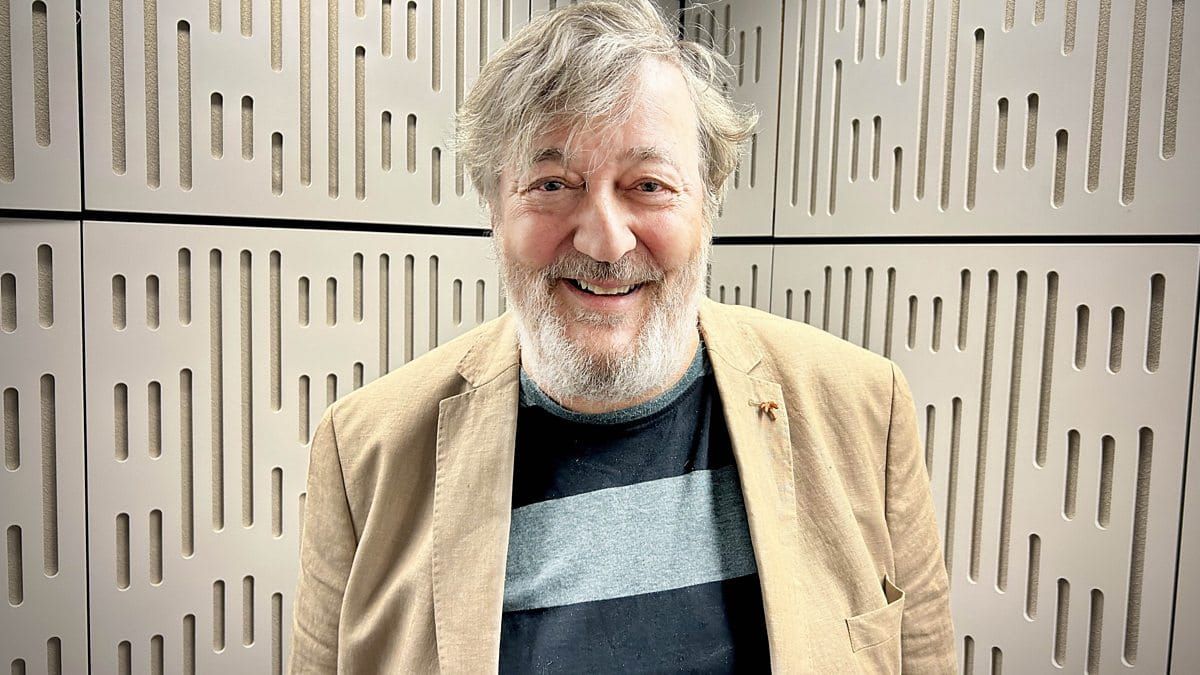
Stephen Fry discovered that artificial intelligence had been used to recreate his voice for a documentary without his permission. The new narration sounded like the actor, even though he had never recorded those words.
Speaking about the incident in 2023, Fry explained that recordings of his Harry Potter audiobook performances had been used to produce the imitation. It was a striking demonstration of how easily a recognisable performer could appear to participate in something they had never agreed to.
But was recreating his voice necessarily illegal? Under UK copyright law, the answer is more complicated than many people might expect.
Does an actor legally own their voice?
UK copyright law does not generally give individuals ownership of the distinctive sound of their voices.
Copyright can protect recordings containing a performance, but those rights normally relate to the recorded work rather than the vocal characteristics of the person speaking.
That distinction becomes important when AI generates new dialogue. A synthetic recording may resemble an actor without reproducing the original recording itself.
However, if protected recordings were copied or used during the development of the AI system, separate copyright questions could arise.
The Government’s March 2026 report explains that simply imitating a person’s voice does not necessarily infringe copyright, although reproducing a substantial part of a protected work may do so.
Who owns an actor’s recorded performance?
An actor is not automatically the copyright owner of a recording simply because their voice appears in it.
Under the Copyright, Designs and Patents Act 1988, the producer is generally the first copyright owner of a sound recording. For a film, the producer and principal director are generally the first copyright owners.
Performers have separate legal rights concerning certain recordings and uses of their performances, although contracts and licensing arrangements can affect those protections.
For example, an actor might agree to record dialogue for a television series under a contract allowing the producer to exploit the finished programme.
Whether that agreement also permits new AI-generated dialogue, a digitally recreated performance or reuse in an unrelated project is a separate question.
The answer depends on the contract, the material involved and any relevant statutory rights.
What happened with Stephen Fry and AI music?
Fry’s experience demonstrates the risks of a synthetic performance being mistaken for the real actor.
Music faced a similar controversy in 2023 when Heart on My Sleeve appeared online featuring AI-generated vocals resembling Drake and The Weeknd.
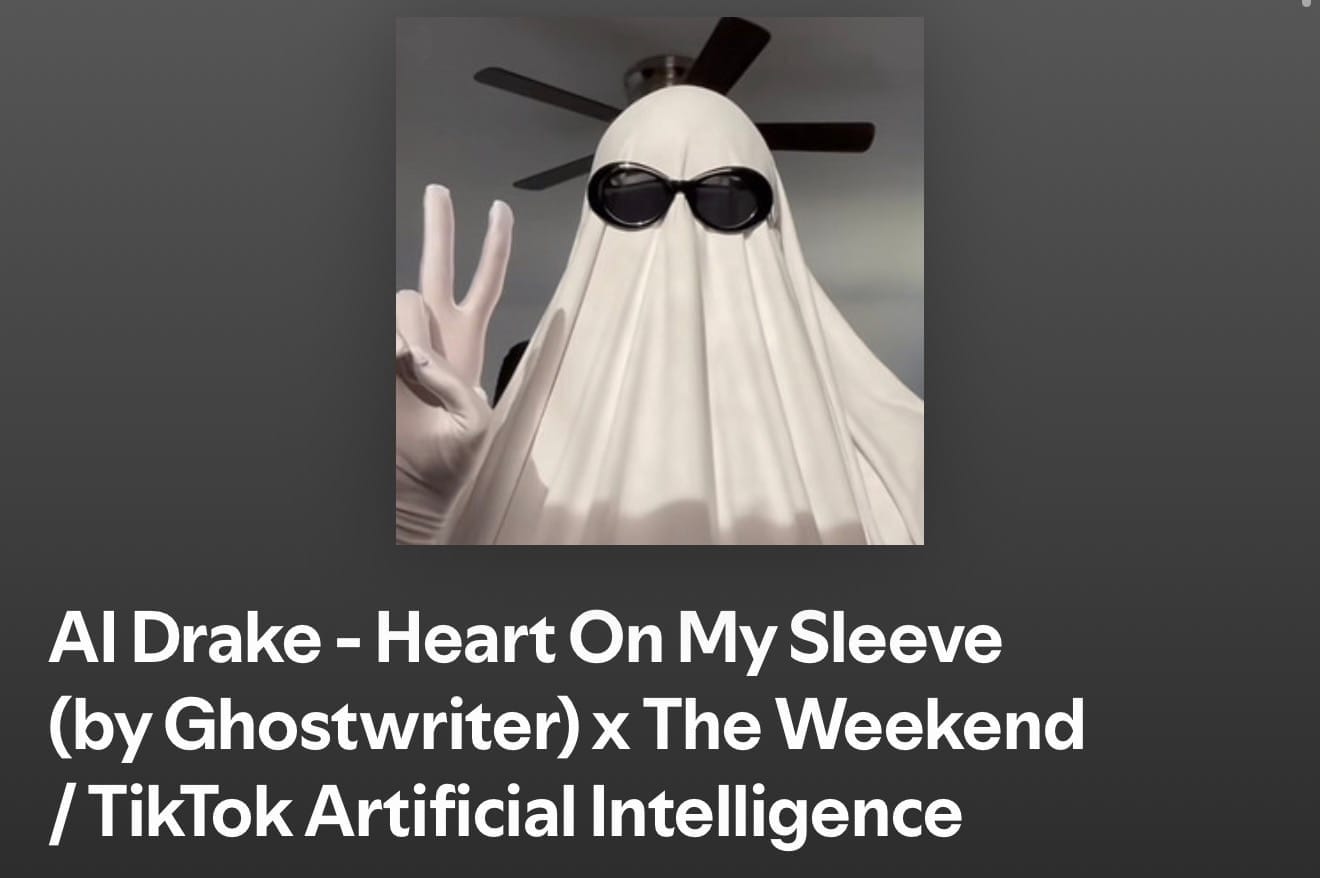
The recording attracted widespread attention despite neither artist having performed the synthetic vocals. It was subsequently removed from major platforms.
The examples highlight why copyright infringement, identity imitation and a platform’s own content rules should not be treated as interchangeable.
A recording might be removed by a service without a court having established that every aspect of its creation was unlawful.
Has an actor officially allowed AI to recreate their voice?
Yes, and Star Wars provides a prominent example of authorised use.
James Earl Jones agreed to allow Lucasfilm to use recordings and AI technology to recreate Darth Vader’s voice, with voice technology company Respeecher contributing to the Disney+ series Obi-Wan Kenobi.
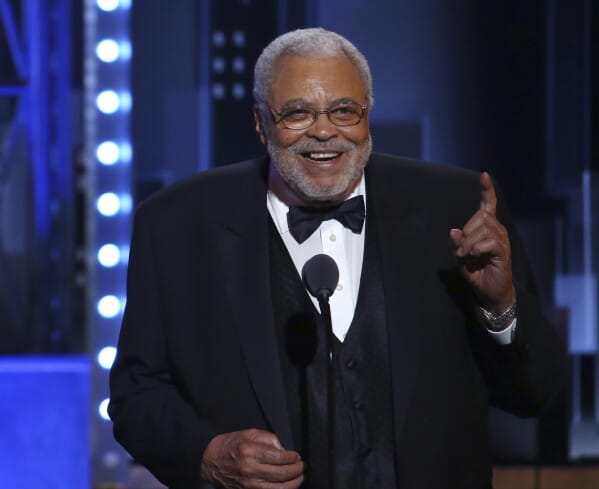
The arrangement allowed the character’s familiar voice to be recreated after Jones stepped back from performing the role himself.
Following his death in 2024, his family also supported the use of his voice for an AI-powered Darth Vader appearance in Fortnite, which Lucasfilm publicly acknowledged in May 2025.
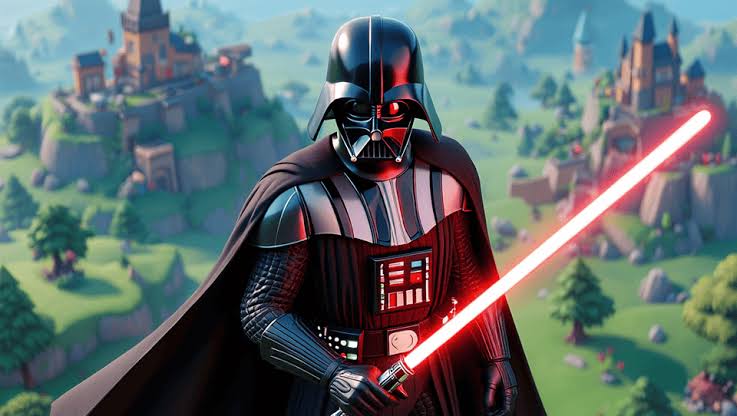
These examples demonstrate that AI voice technology can be used with permission and involve performers, rights holders or their estates in the decision.
The legal questions become considerably more difficult when that permission is absent, disputed or extended beyond the intended production.
Could an actor challenge an unauthorised AI performance?
Potentially, although there is no single UK law making every unauthorised voice imitation automatically unlawful.
Depending on the circumstances, copyright, performers’ rights, contractual obligations, data protection or legal protections against misleading commercial activity may apply.
The difficulty is that a performer whose voice has been imitated may not own the copyright in the recordings originally used, and a completely synthetic performance may not reproduce an existing protected recording.
The Government has acknowledged these gaps, while performers’ union Equity continues to press for greater contractual protection.
For actors, the essential question is not simply whether AI can recreate their voices, but whether they have agreed to a particular use and what rights they retain afterwards.