BBC responds after ‘Protect the Dolls’ slogan is edited out of Bethany Antonia's Strictly appearance
The BBC has defended editing the ‘Protect the Dolls’ transgender rights slogan off Bethany Antonia's T-shirt in Strictly Come Dancing footage.

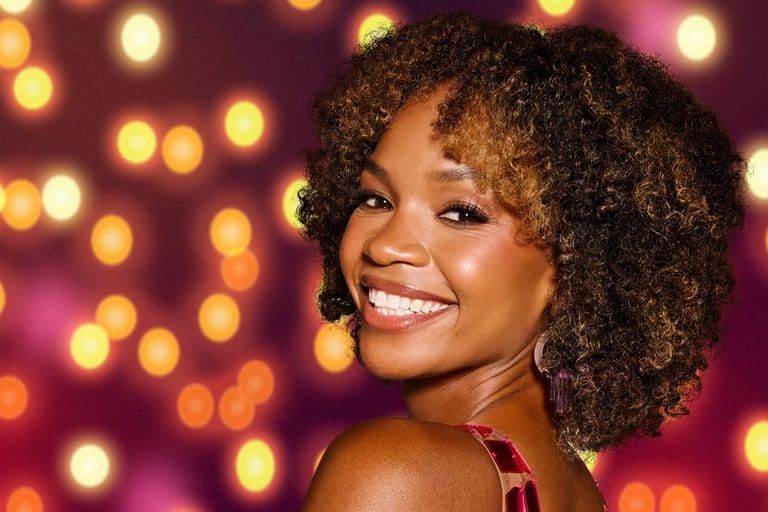
The BBC has defended its decision to edit a transgender rights slogan out of footage featuring actor Bethany Antonia on Strictly Come Dancing, saying the move was consistent with its editorial guidelines.
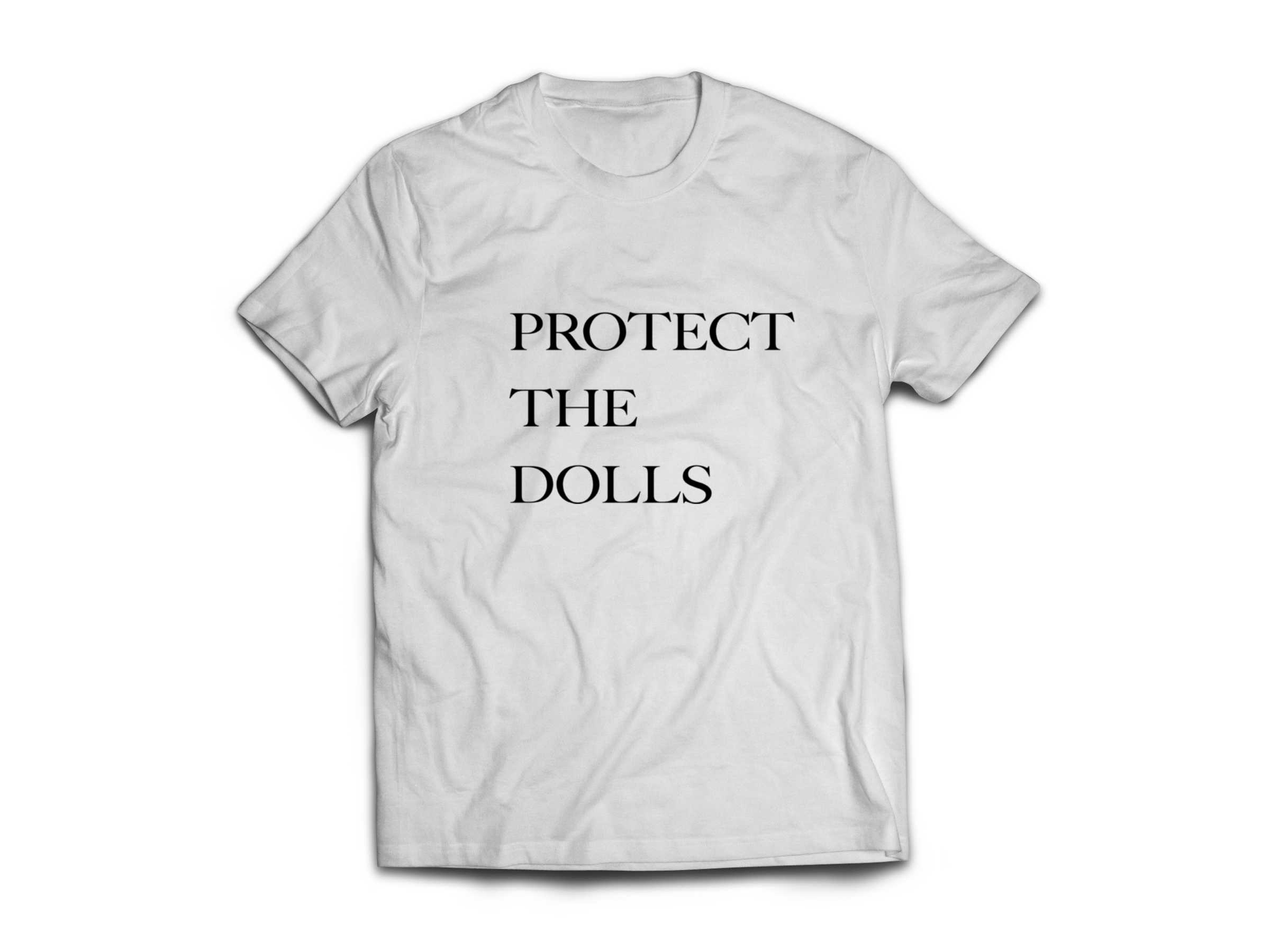
The slogan, “Protect the Dolls”, appeared on a T-shirt worn by Antonia during rehearsal footage shared on the BBC's social media channels. However, the slogan was absent from the version shown during the programme's broadcast, prompting questions about why the wording had been removed.
The issue was reported on 12 October 2026, with the BBC explaining that its approach to clothing and slogans on entertainment programmes is intended to be consistent regardless of the message being displayed.
What happened to the slogan?
Antonia, who is known for playing Baela Targaryen in House of the Dragon, wore the T-shirt while rehearsing an American Smooth with professional dancer Nancy Xu.
The BBC's social media footage showed the slogan on the shirt, while the televised version featured a plain white T-shirt. The difference drew attention to the broadcaster's treatment of messages supporting transgender people in mainstream entertainment.
In response, a BBC spokesperson said that appropriate steps are taken to reduce overt branding or slogans on clothing featured in entertainment programmes, in line with its editorial guidelines.
What does ‘Protect the Dolls’ mean?
“Protect the Dolls” is a slogan associated with support for transgender women. The word “dolls” is used within parts of the LGBTQ+ community, and the phrase has become a visible expression of solidarity with trans women.
The T-shirt was designed by Conner Ives, with proceeds from sales going to Not A Phase, a UK charity that supports transgender adults through programmes, events and community spaces.
The slogan has also been worn by other well-known figures, helping it reach audiences beyond LGBTQ+ community events and campaigns. Its appearance on Strictly therefore brought a wider discussion about the visibility of trans rights messages on mainstream television.
Why the BBC's decision has attracted attention
The incident raises questions about how broadcasters distinguish between overt branding and messages that carry social or political significance. A policy intended to apply consistently to all slogans can still attract scrutiny when the wording being removed is associated with a marginalised community.
The BBC has pointed to its general editorial approach rather than identifying the slogan's message as the reason for the edit. The distinction matters when assessing the broadcaster's explanation and the wider discussion about representation.
Antonia had not publicly commented on the editing at the time of the reports. The BBC's response provides the broadcaster's stated position, while the difference between the original footage and the broadcast version has prompted renewed discussion about LGBTQ+ visibility on entertainment programmes.