Ava DuVernay defends AI use in new documentary as she brings historic photographs to life
Filmmaker Ava DuVernay has explained why generative AI was used to animate archival photographs in her new documentary 14th, following its screening at the New York Film Festival.

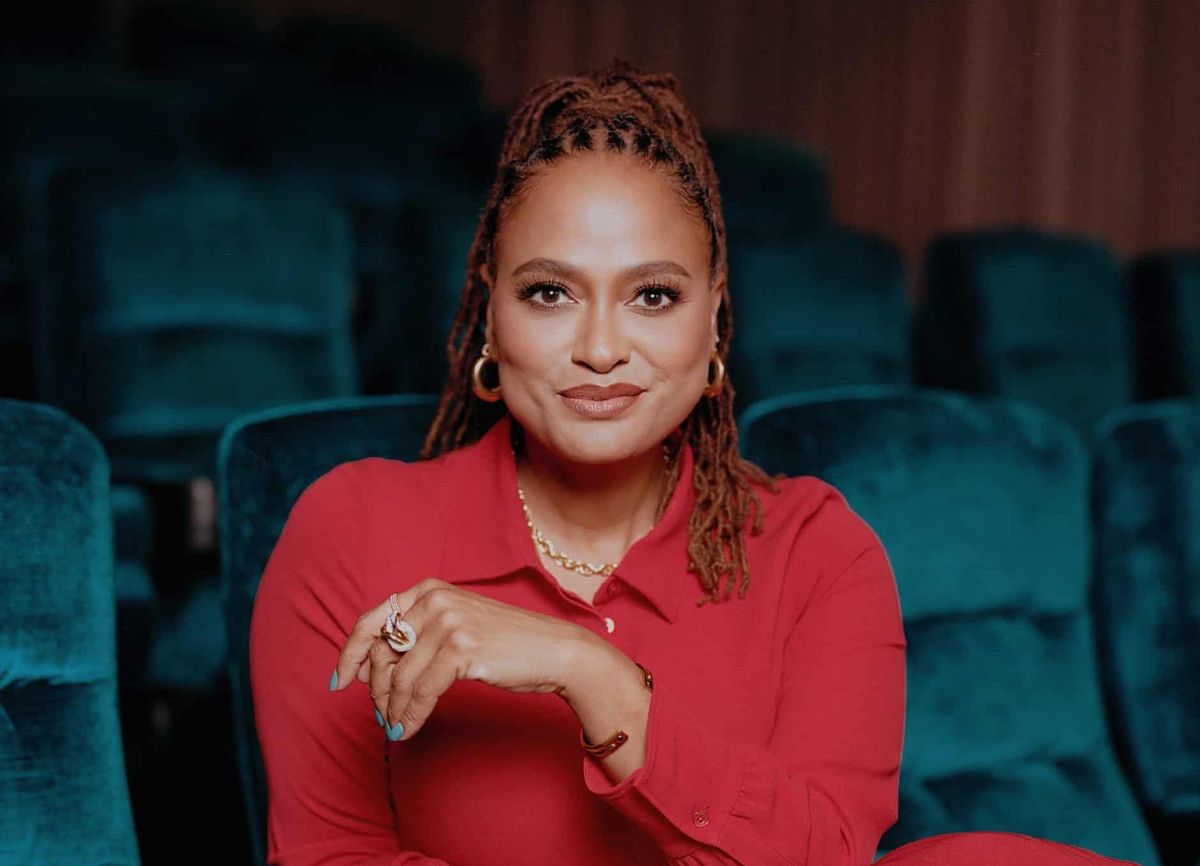
Ava DuVernay has explained why artificial intelligence was used to animate historic photographs in her new documentary 14th, offering a glimpse into how the technology can be incorporated into a major film without replacing the people behind its creative decisions.
The filmmaker discussed the approach after the documentary screened for press and industry guests at the New York Film Festival on Friday, October 9. The film follows her acclaimed 2016 documentary 13th, which examined the relationship between slavery, mass incarceration and the American prison system, by turning its attention to the Fourteenth Amendment and the rights connected to citizenship and voting.
One of the new film’s striking sequences uses AI-assisted animation to add movement to black-and-white archival photographs. People who once appeared frozen in time can be seen blinking, laughing and shifting slightly, creating an effect that brings the historical images closer to a moving picture.
Why DuVernay chose the technology
DuVernay explained that the idea grew from her discovery of stereoscopic photography, an older technique that uses two images viewed through a special device to create an impression of depth and movement.
She said the effect made her want audiences to experience the photographs in a similarly vivid way. The animation process involved artists working with techniques including photoscoping, parallax and animation, with some of the tools used in that process drawing on technology associated with AI.
The explanation places the focus on the creative intention behind the decision rather than presenting AI as a shortcut to making a documentary. DuVernay was interested in finding a way to help viewers engage with historical material, while the work itself still depended on the film’s research, editorial choices and creative team.
The use of AI in entertainment remains a contentious subject, particularly when questions arise about consent, creative labour and whether audiences should be told when digital techniques have altered an image. DuVernay’s comments provide a specific example of how a filmmaker is approaching the technology in a historical documentary, rather than using it simply to generate new footage.
When can audiences watch 14th?
The documentary is directed and produced by DuVernay through her ARRAY production company. It is scheduled to open in selected cinemas on November 27 before arriving globally on Netflix on December 4.
For viewers interested in both documentary filmmaking and the changing role of AI in production, 14th offers a timely case study in how emerging tools can be used to shape the presentation of real historical events.
Image credit - Erik Carter/The Guardian