Alanis Morissette Is Pansexual – How Common Is It and What Does It Mean?
Alanis Morissette has revealed she's pansexual. Discover what it means, how many people identify this way and which other celebrities have spoken out.

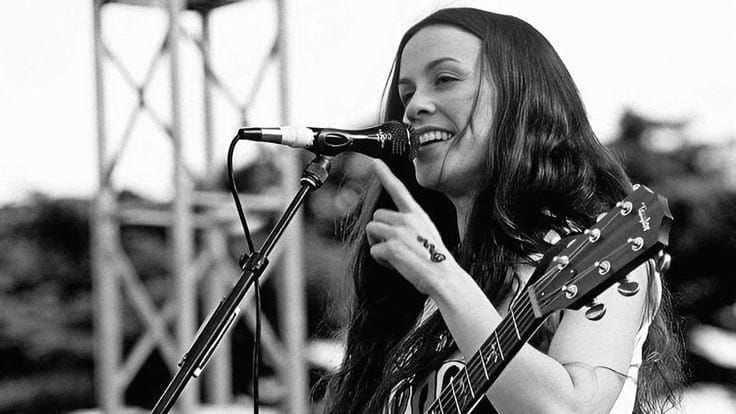
Alanis Morissette, the Canadian singer behind 1990s hits Ironic and You Oughta Know, has publicly revealed that she is pansexual at the age of 52. Her relaxed admission during a podcast conversation has sparked renewed interest in a sexual orientation that many people have heard of but may not fully understand.
The seven-time Grammy Award winner shared the news during the 3 November 2026 episode of the Handsome podcast, hosted by comedians Tig Notaro, Fortune Feimster and Mae Martin.
As the conversation turned to the heartbreak that inspired some of her biggest songs, Fortune asked whether her experiences with men had ever made her consider becoming a lesbian.
“I’m pansexual, so yeah,” Alanis replied.
A surprised Tig asked whether she was serious, prompting Alanis to confirm that she was. When the presenters joked that she should have opened the interview with the revelation, she responded: “I like to leave it for the epilogue.”
The exchange was light-hearted, but it has brought an important LGBTQ+ conversation to a much wider audience.
Listeners can hear the conversation in the original Handsome podcast episode.
What Does Being Pansexual Actually Mean?
Pansexuality describes the potential to experience romantic or sexual attraction to someone regardless of their gender. A pansexual person might be attracted to men, women, non-binary people or people with other gender identities.
For many people who identify as pansexual, gender isn’t a deciding factor in whom they find attractive. Instead, their attraction may centre on someone’s personality, emotional connection or individual qualities.
Importantly, being pansexual doesn’t mean finding everybody attractive, wanting multiple partners or being unable to maintain a committed relationship. Just like anyone else, pansexual people can be single, married or in long-term relationships.
The LGBTQ+ charity Stonewall defines pansexuality as attraction that does not depend on someone’s sex or gender. It also recognises that people may use different terms to describe their sexual and romantic attraction.
The American Human Rights Campaign Foundation similarly explains that sexual orientation concerns emotional, romantic or sexual attraction and is separate from a person’s gender identity.
Is Pansexuality Different From Bisexuality?
Pansexuality and bisexuality share considerable similarities, and both are valid sexual orientations. Bisexuality generally describes attraction to more than one gender, while pansexuality typically emphasises attraction regardless of gender.
Bisexuality does not exclude transgender or non-binary people, despite a common misconception suggesting otherwise. Some people feel that bisexual describes their experiences best, while others prefer pansexual, and some identify with both.
The LGBTQ+ charity Stonewall includes pansexuality within its wider bisexual umbrella, recognising that different people use different terms to describe their attraction.
How Many People Actually Identify as Pansexual?
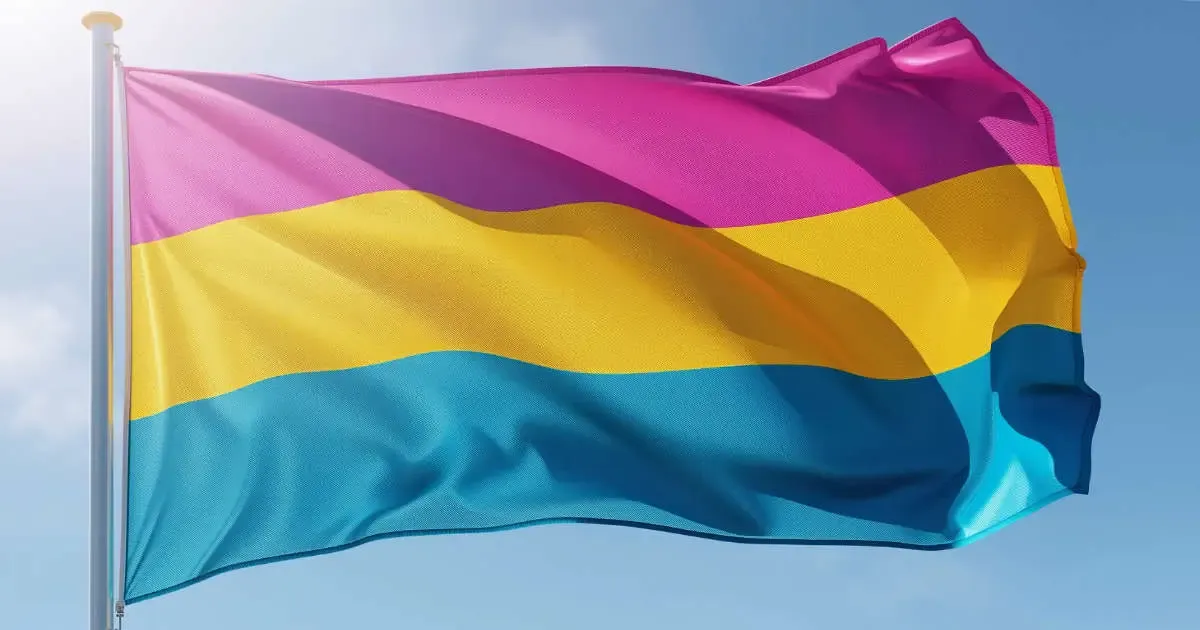
Official figures provide an interesting insight into how many people identify as pansexual, although the available research also highlights how difficult it can be to measure sexual orientation.
The 2021 census for England and Wales recorded approximately 48,000 people identifying as pansexual, representing 0.10% of the population aged 16 and over.
The census also recorded approximately 624,000 people identifying as bisexual, representing 1.3% of the population aged 16 and over.
Research involving younger LGBTQ+ people offers another perspective. In The Trevor projects 2025 US national survey which involved more than 16,000 LGBTQ+ young people aged 13 to 24, 15% of respondents identified as pansexual, while 24% identified as bisexual.
The American study surveyed LGBTQ+ young people rather than the population as a whole, meaning its percentages cannot be directly compared with the UK census. Nevertheless, it demonstrates that pansexuality is a significant identity among the young LGBTQ+ people who took part.
Alanis Is Married to a Man – So Why Is Her Revelation Significant?
Alanis has been married to American rapper Mario ‘Souleye’ Treadway since 2010, and the couple have three children together. Their marriage is an important part of this conversation because one of the most persistent misunderstandings about pansexuality is that being in a different-gender relationship somehow makes someone’s LGBTQ+ identity less genuine.
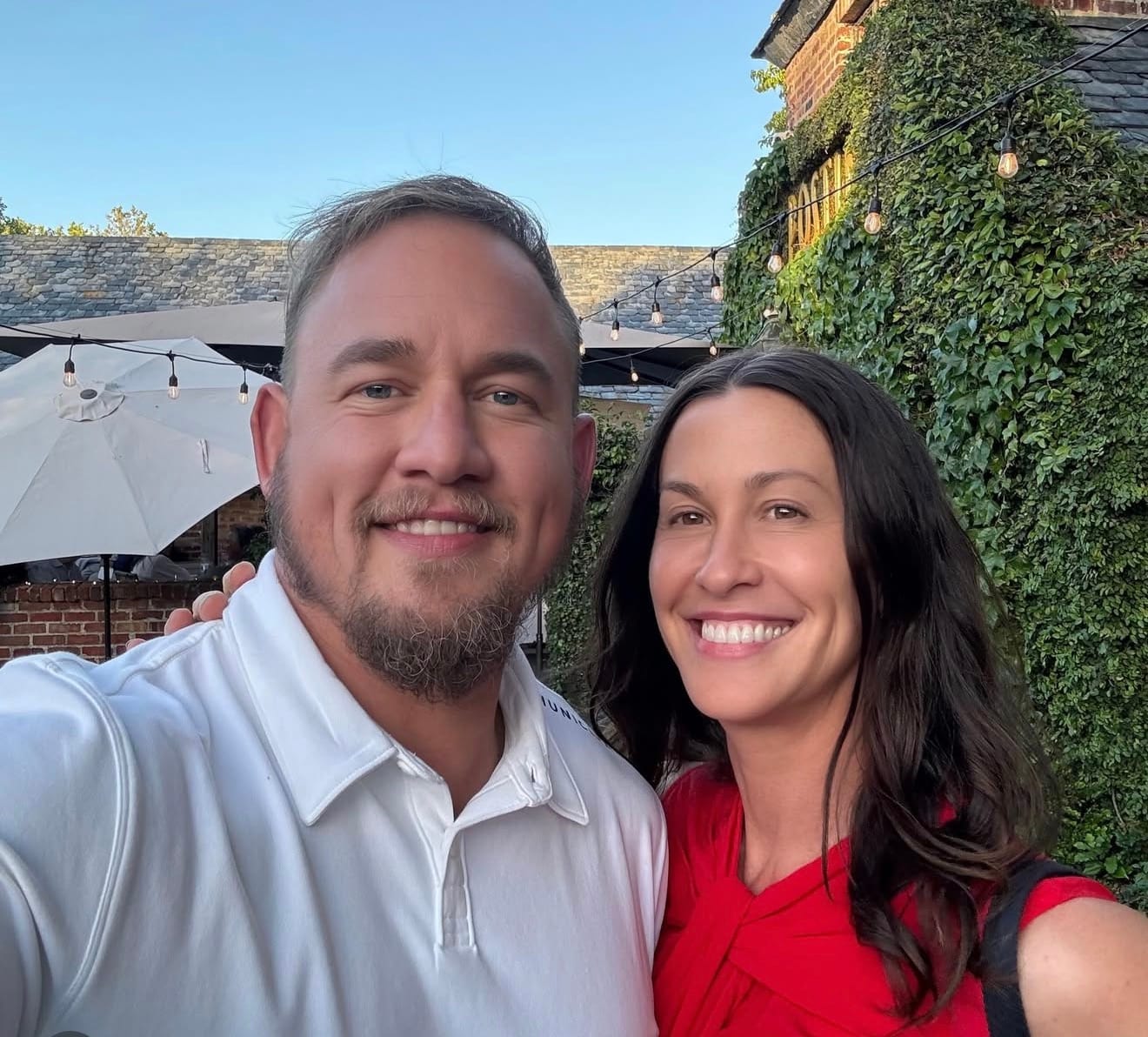
A pansexual woman married to a man is still pansexual, just as a bisexual woman doesn’t stop being bisexual when she enters a relationship with a man or a woman. Sexual orientation describes someone’s capacity for attraction, not simply the gender of their current partner.
There is also no suggestion that Alanis has only recently discovered her sexuality. She previously discussed exploring her attraction to women in a 2008 interview, although she did not publicly identify herself as pansexual at that point.
Her latest comments demonstrate that people can choose to speak openly about their identities at any stage of life, without needing to explain why they haven’t discussed them publicly before.
Which Other Famous People Have Identified as Pansexual?
Alanis is far from the only internationally recognised entertainer to discuss being pansexual. Several major names in music, television and film have helped increase awareness of the term.
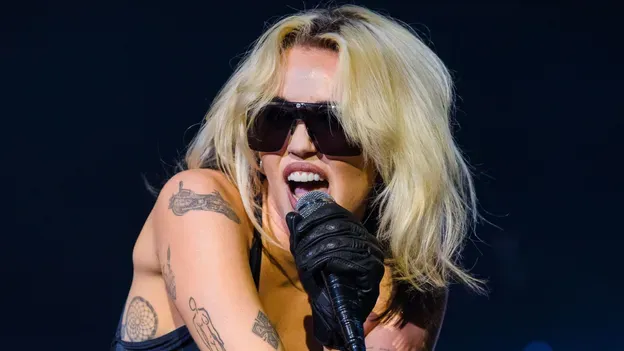
Miley Cyrus publicly identified as pansexual in 2015 and subsequently explained that she didn’t consider gender a restriction on whom she could love. The Flowers singer has also used her platform to support LGBTQ+ young people through her Happy Hippie Foundation.
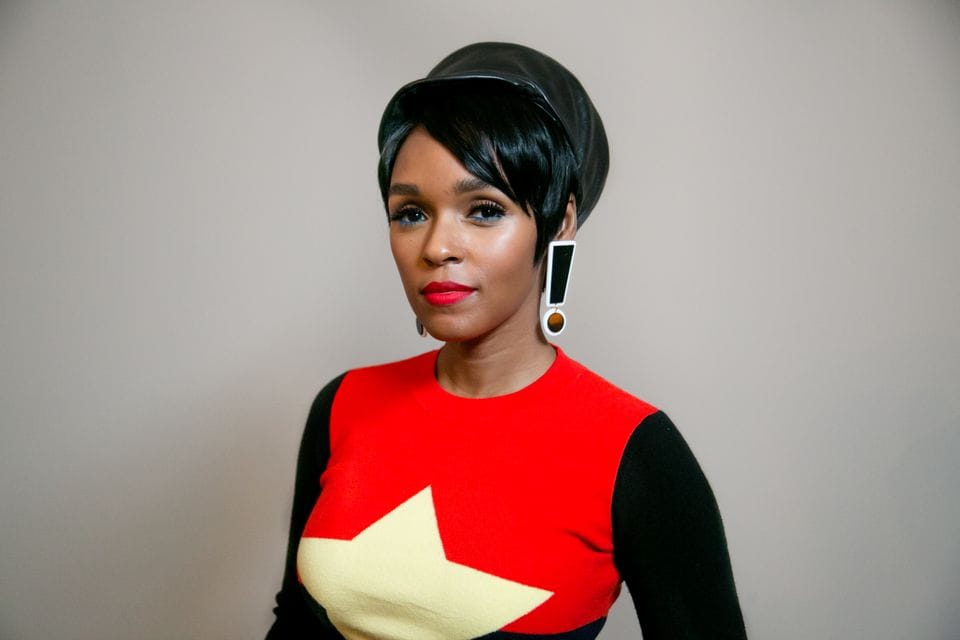
Janelle Monáe, the American singer and actor known for Hidden Figures and Glass Onion, discussed identifying as pansexual in 2018. Having previously described herself as bisexual, Monáe explained that discovering the term pansexuality gave her another way of understanding her own experiences.
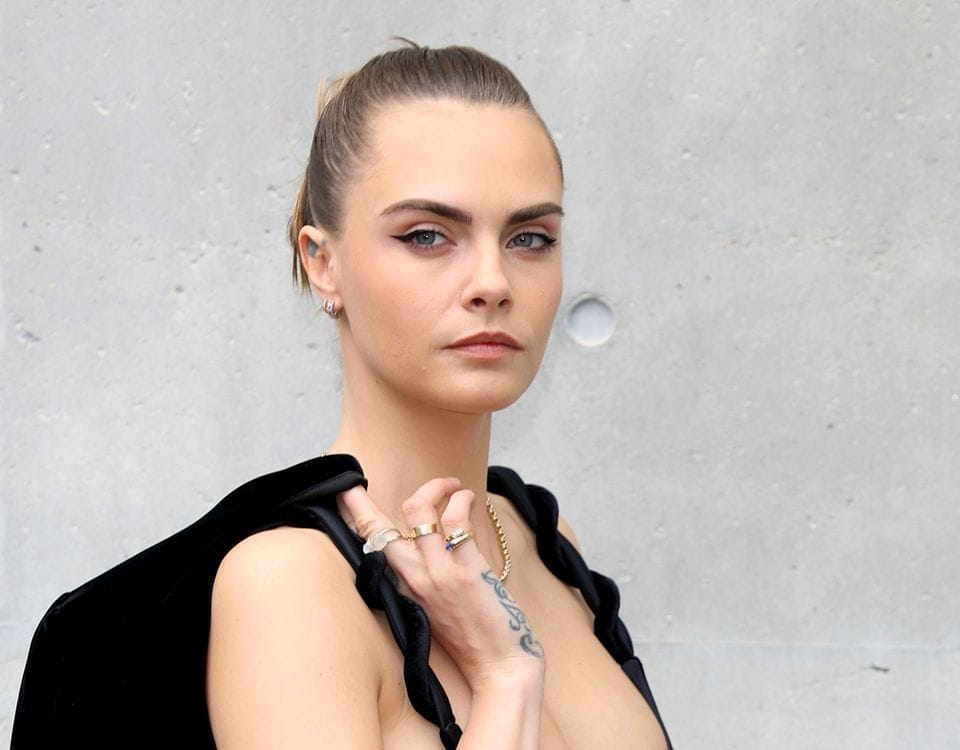
Cara Delevingne, the British model and actor, publicly identified as pansexual in 2020. She explained that her romantic attraction was centred on the individual, rather than whether someone identified as male, female or another gender.
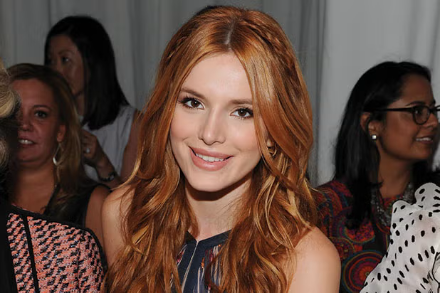
Bella Thorne, the American actor and singer, revealed in 2019 that she identified as pansexual after previously coming out as bisexual. She explained that her attraction was based on the person and their personality rather than their gender.
Each has spoken about pansexuality in a slightly different way, reflecting the fact that sexual orientation is personal and individuals may describe their experiences differently.
Why Does Pansexual Visibility Still Matter?
Despite increasing LGBTQ+ representation across entertainment, pansexuality continues to be misunderstood. People who identify as pansexual can encounter assumptions that they are confused, unwilling to commit or simply going through a phase.
Another challenge is visibility. Someone in a different-gender relationship may be assumed to be heterosexual, while someone in a same-gender relationship may be assumed to be gay or lesbian. Neither assumption necessarily reflects how that individual identifies.
This is why public conversations involving well-known figures can be valuable. They introduce terminology to people who might otherwise have little reason to explore it and help others recognise experiences they may share.
Alanis hasn’t presented her sexuality as a dramatic announcement, she has simply spoken openly about who she is, with the same humour and confidence that have characterised much of her career.
And perhaps that is the most positive message from her revelation. LGBTQ+ identities don’t always require a grand announcement, and nobody has to justify their sexuality because of whom they choose to love.
For more photographs, music and personal updates, follow Alanis on her official Instagram account, @alanis.