Apple HomeView Arrives in Britain This Week But What Can Its New AI Actually Do?
Apple HomeView arrives in Britain on 13 November for £299. Explore its conversational Siri AI, facial recognition, smart home controls and limitations.

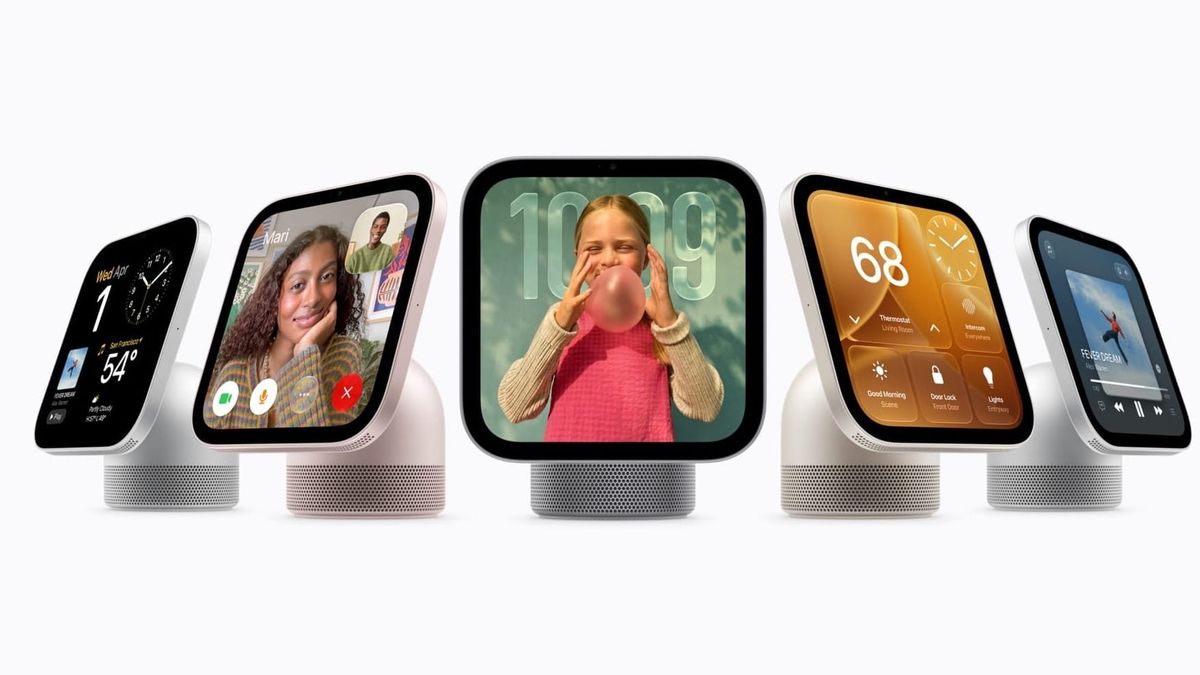
Apple is preparing to bring artificial intelligence into British homes in a new way, with its HomeView smart display arriving on Friday 13 November 2026. Priced at £299, the device combines a seven-inch touchscreen, conversational Siri AI, entertainment services and smart home controls in a product designed to be shared by the whole household.
Unlike a conventional smart speaker, HomeView offers a permanent visual interface that can display appointments, play music, show security camera footage and respond to spoken requests. Apple is positioning the device as a central point for managing everyday activities, although its usefulness will depend on whether people find it more convenient than the phones and tablets they already own.
The launch also represents an important test of Apple's artificial intelligence ambitions. Rather than asking people to open an application whenever they need assistance, HomeView brings AI into a shared living space where conversations and household routines can happen naturally.
What makes HomeView different from an iPad or HomePod?
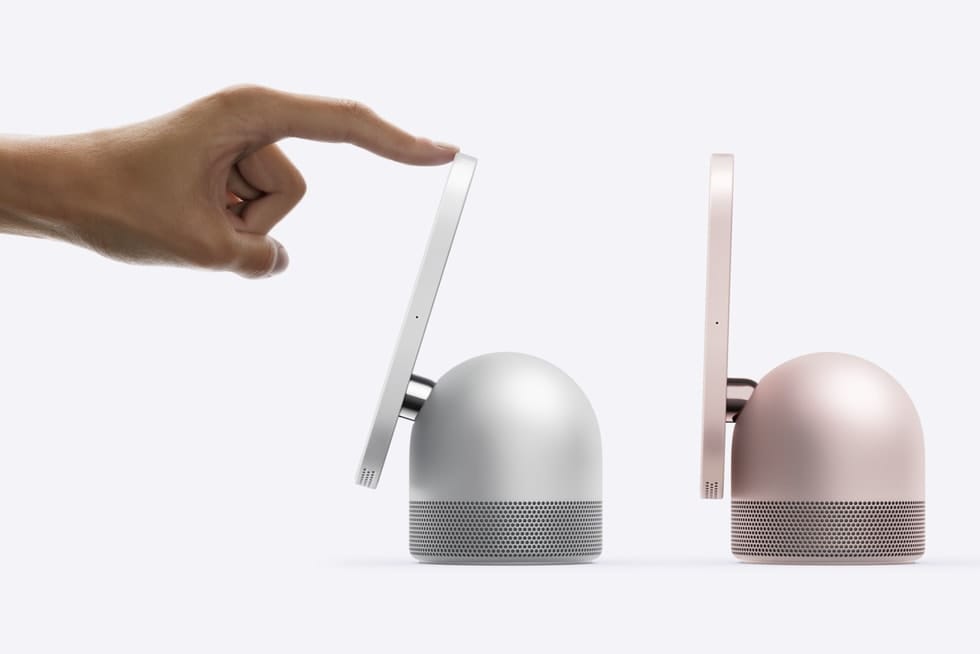
HomeView features a seven-inch Liquid Retina display powered by Apple's A18 chip, with a tabletop version and a separate wall-mounted model. The tabletop device comes in silver, starlight, rose pink and space grey, while the wall-mounted version is available in silver and space grey.
The screen automatically adjusts its brightness according to surrounding light, with Apple specifying a range from 500 nits to 0.3 nits. Its interface also adapts depending on how far away someone is standing, displaying simpler information across a room and more detailed content when approached.
That design could be useful in kitchens and hallways, where someone may want to check a reminder or adjust the heating without searching for their phone. Unlike an iPad, which is generally carried between rooms and used by one person at a time, HomeView is intended to remain accessible in a fixed location.
Apple has also introduced facial recognition for up to six registered household members. Each person can have a personalised home screen, while shared photographs, music and other suitable content remain accessible to the wider household.
Entertainment is another important part of the product, with support for Apple Music, podcasts, Apple TV and compatible third-party applications. The tabletop model includes a dedicated speaker system with Spatial Audio, although independent testing will be needed to establish how it compares with existing smart speakers.
HomeView also supports FaceTime, Messages, reminders and compatible smart home accessories. Its camera dashboard can show up to nine live feeds simultaneously, making it possible to monitor different areas of a property from one screen.
However, the device does not include all the cameras, locks, thermostats or other accessories required to create a fully connected home. Those purchases could substantially increase the overall cost for someone starting without existing equipment.
Is conversational Siri AI the biggest development?
The most significant feature is Apple's redesigned Siri AI, which aims to understand natural conversations and provide more useful responses than earlier generations of voice assistants.
Apple says the system combines broad world knowledge with onscreen awareness, allowing people to ask questions relating to information displayed on HomeView. Someone following a recipe could potentially ask for further information about a cooking technique, while another person might use Siri to explore music or manage connected household devices.
The distinction between general AI capabilities and personalised assistance is important. HomeView includes conversational Siri AI, but requests involving personal information from applications such as Messages and Calendar require a paired Apple Intelligence-enabled iPhone or iPad.
That means buyers with older devices may not receive the complete experience advertised in demonstrations. Apple also confirms that Siri AI is launching in beta, with certain server-based features subject to daily usage limits and expanded access expected to involve additional charges.
HomeView therefore raises an interesting question about the future of household technology. If conversational AI becomes sufficiently reliable, a shared display could provide an alternative to repeatedly opening applications and navigating menus.
However, natural conversation does not automatically guarantee accurate answers. AI assistants can misunderstand requests, provide incomplete information or respond confidently when they are mistaken, making reliability an important consideration for everyday use.
For existing Apple households, HomeView's strongest advantage may be the convenience of bringing several services together in one place. People who primarily want to play music or check the weather may find that a conventional smart speaker already meets their requirements.
There is also a significant geographical distinction. Although HomeView launches in the United Kingdom, Apple has confirmed that it will not initially be sold in the European Union because Siri AI is currently unavailable there.
The British launch offers an opportunity to examine whether AI can become a genuinely useful part of everyday domestic life. HomeView has an ambitious range of features, but its success will depend on how well those features work together once customers begin using the device.
Image credits: Apple.com