AI in Entertainment 2026: What Has Changed So Far?
AI in entertainment changed rapidly in 2026, from music and animation to films, digital performers and creator led series. Here is what has changed so far and why it matters.


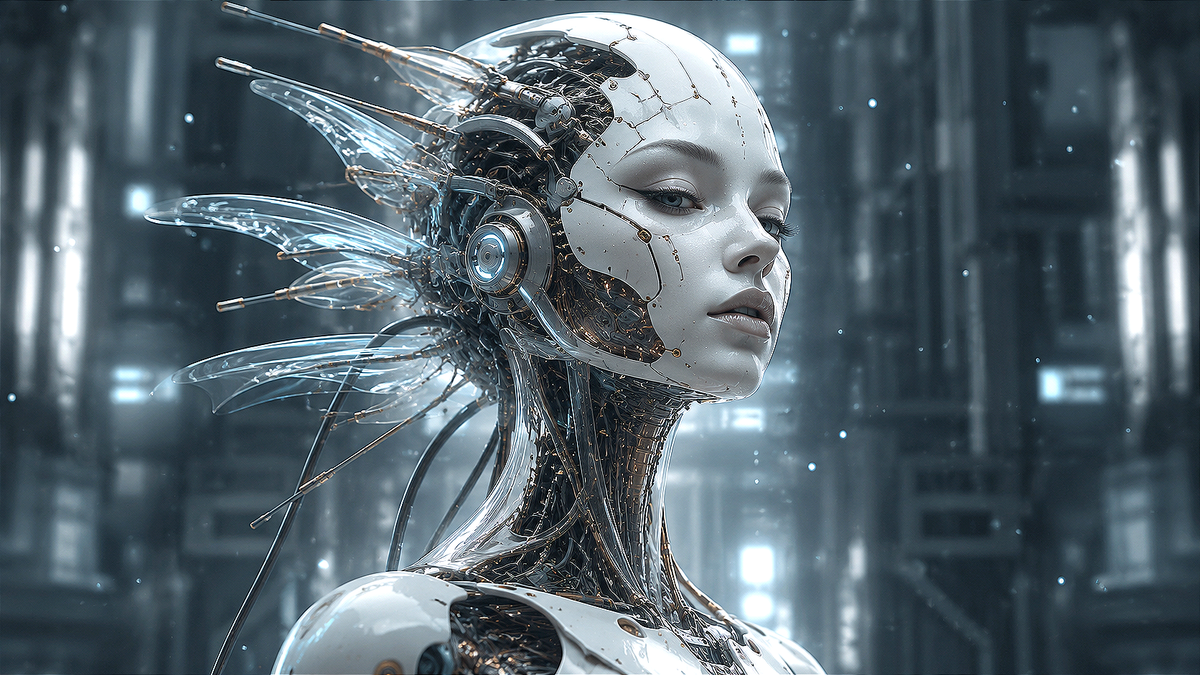
Artificial intelligence has moved beyond demonstrations and novelty projects in 2026 and is becoming part of the infrastructure surrounding real entertainment. It is now appearing in professional production, streaming services, music licensing, digital performers and independent creator projects, while companies and audiences begin deciding what rules should surround its use.
The reality is also more complicated than predictions that AI would simply replace human creativity. Many of the most significant developments combine human performance, writing and creative decisions with technology rather than removing people from the process entirely.
Music has become one of AI’s biggest testing grounds
Music provides some of the clearest evidence of how quickly the landscape is changing. AI generated tracks are reaching established charts, mainstream musicians are acknowledging the use of generative tools in production, and digital performers are increasingly difficult to describe as either completely human or completely artificial.
The scale of new material is striking. Deezer said it averaged around 90,000 fully AI generated uploads a day during June 2026, while those tracks exceeded 50 per cent of new deliveries on peak days, although AI generated music still accounts for only a small share of listening on the service.
The industry is also moving towards clearer disclosure. Spotify is introducing AI Persona badges for artist profiles that may represent artificial identities, while a wider music industry initiative has proposed separate AI Generated and AI Assisted labels for recordings.
Film is moving beyond experimental uses
Netflix acquired InterPositive, the filmmaking technology company founded by Ben Affleck, in March 2026. The company develops AI powered tools intended to support filmmakers, with its team joining Netflix and Affleck becoming a senior adviser.
The acquisition signalled that Netflix sees generative technology as increasingly relevant to professional production rather than simply an experimental side project. Netflix has continued to frame the technology as something intended to support creators rather than replace the people making films.
Animation is developing its own approach
Reporting in May revealed Netflix’s INKubator initiative through company job listings. Netflix later confirmed the project to Cartoon Brew as an artist led animation incubator where creators can explore generative tools alongside traditional techniques.
The company also said films produced at Netflix Animation Studios would continue using traditional animation techniques and practices. That distinction matters because AI animation can mean anything from generating entire sequences to helping artists experiment with concepts, designs or individual stages of production.
Digital performers are becoming harder to define
2026 has also brought more attention to performers whose voices, images and public identities mix real people with artificial elements. Timbaland’s TaTa Taktumi is a particularly clear example because the project was initially introduced as an AI artist but is now described as a hybrid performer with a real person behind the digital identity.
TaTa is part of a wider rise in synthetic and hybrid performers whose voices, faces or personas combine real people with artificial elements, raising new questions about identity, authorship and what audiences expect to be told. A project may involve a real singer, human writers and producers while still using generative technology extensively across music, imagery and presentation.
Independent creators can build projects differently
Some of the most interesting developments are happening outside major studios. Generative tools can reduce some of the technical and financial barriers involved in creating characters, environments and moving images, giving individuals and smaller teams new ways to build ambitious entertainment projects.
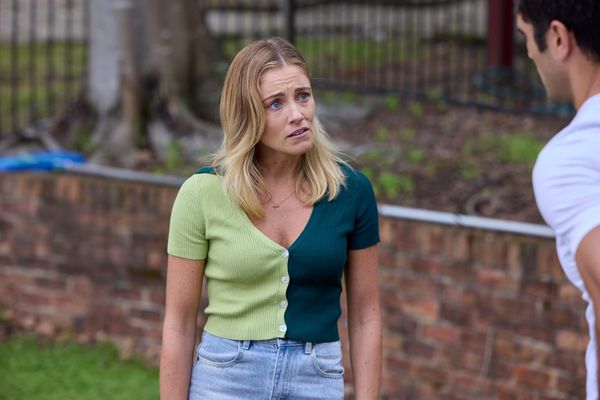
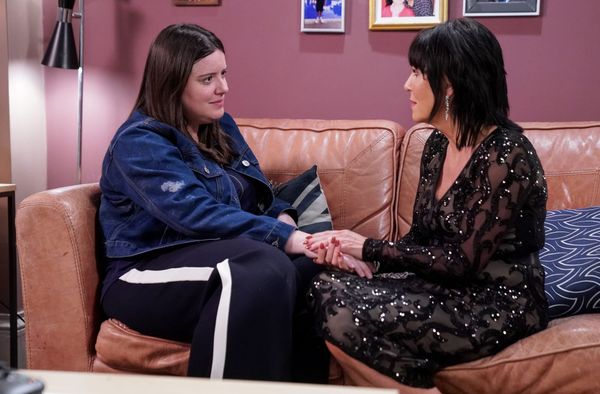
SoapLandTV has seen that through its coverage of Icebreaker, Gen’s creator led WLW series following Ana Malik and Noémie Morin aboard the research vessel Polaris. Projects like this demonstrate that AI is not only a studio technology but can also act as a creative accelerator for independent creators building worlds, characters and continuing stories without traditional production infrastructure.
The debate is becoming more specific
Copyright, jobs, consent and payment remain major concerns, but the arguments are becoming more detailed. Music companies are simultaneously pursuing legal cases over previous AI training practices and signing licensing agreements intended to establish clearer rules for future use.
Voice cloning creates another dividing line because an artist choosing to license a digital version of their own voice is very different from someone creating an imitation without permission. Similar questions apply to actors, writers, animators and other creative workers whose performances or work could contribute to AI systems.
The debate is therefore moving beyond whether somebody is simply for or against AI. Increasingly, the questions concern exactly what the technology did, what material it learned from, who agreed to its use and who ultimately benefits.
Transparency may matter as much as the technology
Audiences are likely to encounter more entertainment containing some form of generative AI, but that does not mean every use should be treated as identical. Spotify’s distinction between an artificial artist identity and AI used during music creation demonstrates how complicated disclosure can become.
The biggest questions surrounding AI entertainment increasingly revolve around consent, transparency and compensation rather than the novelty of the technology itself. The future of AI entertainment may depend less on what the technology can generate and more on the human rules, permissions and creative choices that shape how it is used.
Explore our AI & Entertainment coverage for more features, interviews and news examining both the opportunities and the concerns surrounding this changing part of entertainment.