AI Actors Face New Rules as Gavin Newsom Signs Major California Law
AI actors face new rules after Gavin Newsom signed a California law requiring disclosures when synthetic performers appear in advertising.


California has just changed the rules around AI performers, with Governor Gavin Newsom signing a new law requiring audiences to be told when certain performers appearing in ads are actually synthetic.
Newsom signed Senate Bill 1050 on September 16, 2026, introducing disclosure requirements for video and audio advertising that prominently features AI-generated synthetic performers.
Signed at SAG-AFTRA’s (The Screen Actors Guild–American Federation of Television and Radio Artists) HQ in Los Angeles, the new law arrives as Hollywood and the wider entertainment industry continue to explore increasingly realistic AI-generated characters, voices and performances.
California’s new rules for AI actors
Under the legislation, ads prominently featuring what California defines as a “synthetic performer” will need to include a clear and conspicuous disclosure telling audiences that the performer is synthetic.
That could include an AI-generated person, voice or digital representation realistic enough to make viewers believe they are watching or hearing a real human performer.
The law takes effect January 1, 2027. It doesn’t ban AI performers or prevent companies from creating synthetic characters. Instead, it introduces a transparency requirement designed to make sure audiences know when a prominent performer in an ad isn’t human.
Why Hollywood is watching
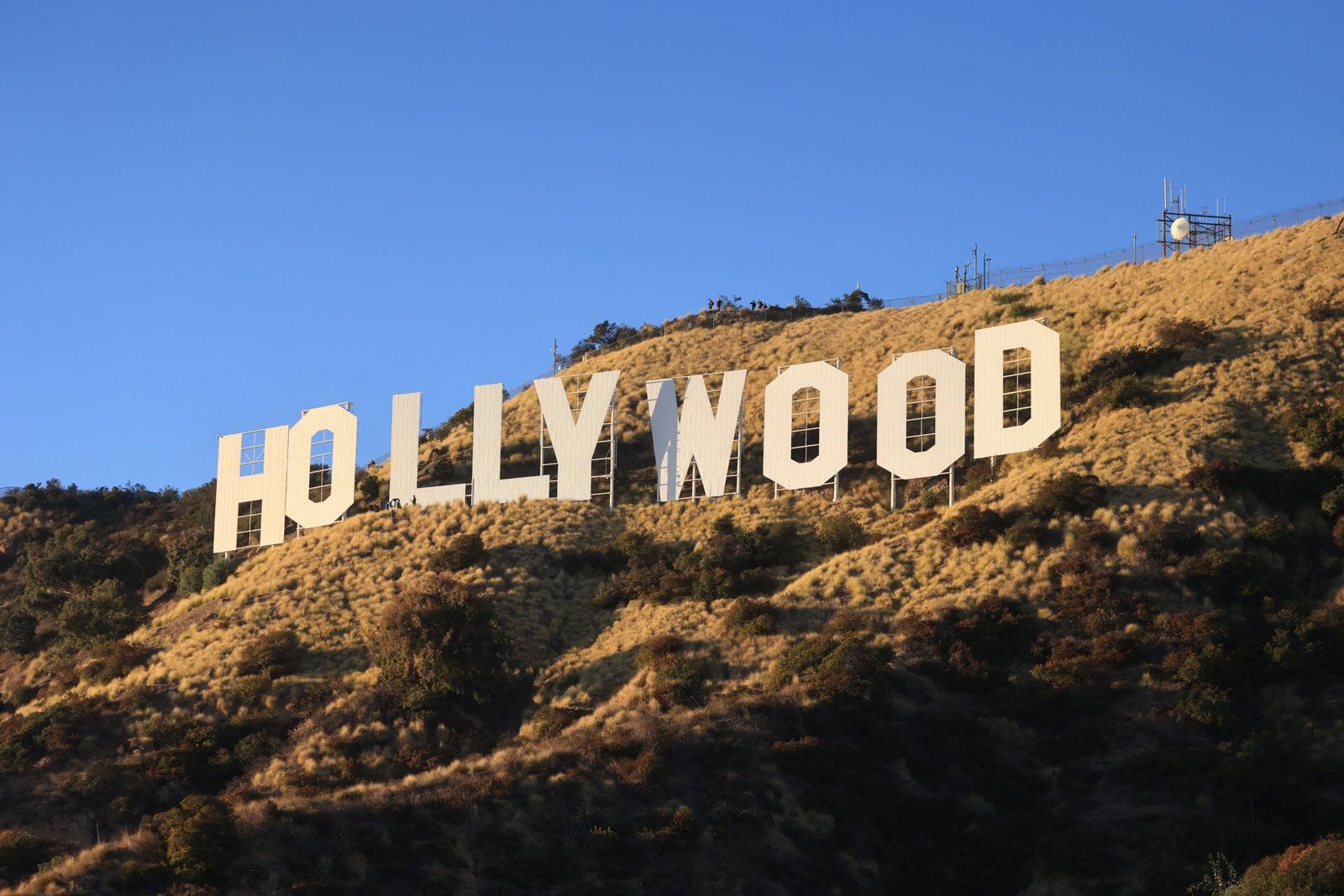
SAG-AFTRA sponsored the legislation, placing the new law firmly within the much bigger conversation surrounding AI and human performers.
The union has been at the center of Hollywood’s debate over artificial intelligence, particularly when it comes to actors’ faces, voices and digital likenesses.
California has already introduced protections involving digital replicas of performers. This latest law tackles another side of the rapidly developing technology by focusing on what audiences are actually shown.
As AI video becomes more convincing, spotting the difference between a filmed human performance and a completely synthetic creation may become increasingly difficult.
AI performers aren’t going away
AI-generated video has advanced rapidly, giving filmmakers, advertisers and creators access to tools capable of producing realistic characters, voices and entire scenes.
For entertainment, that opens up significant creative possibilities. It also raises questions about transparency as virtual actors become more convincing and begin appearing alongside content featuring real performers.
California’s answer isn’t to stop the technology from being used. Instead, when a synthetic performer is prominently used in advertising, audiences will have to be told what they’re looking at.
And as the technology gets better at creating people who look completely real, one small label could become increasingly important.