3 LGBTQ+ Eurovision Winners Who Made History
From Dana International to Conchita Wurst and Nemo, discover three historic LGBTQ+ Eurovision victories and their lasting impact ahead of Eurovision 2027.

Eurovision has given the world unforgettable performances, spectacular costumes and some extraordinary musical moments. But for LGBTQ+ audiences, three particular victories stand out for the barriers they broke and the powerful messages they brought to millions of television screens.
From Dana International's groundbreaking win in 1998 to Conchita Wurst's unforgettable performance in 2014 and Nemo's historic triumph in 2024, these artists helped make Eurovision a platform for visibility, acceptance and individuality.
With Eurovision 2027 heading to Burgas, Bulgaria, next May, their achievements offer a timely reminder of how three very different performers helped shape the contest's LGBTQ+ legacy.
Dana International Breaks Barriers at Eurovision 1998

When Dana International stepped onto the Eurovision stage in Birmingham on 9 May 1998, she was already challenging expectations. Representing Israel with Diva, the singer faced opposition from conservative groups who objected to a transgender woman representing the country.
Her victory was historic. Dana became Eurovision's first transgender and openly LGBTQ+ winner, achieving international recognition at a time when transgender representation in mainstream entertainment was considerably less visible.
The win resonated far beyond the competition, demonstrating that an openly transgender performer could triumph on one of Europe's biggest television stages. More than a memorable musical moment, her success became an important milestone in LGBTQ+ visibility.
Conchita Wurst Delivers a Powerful Eurovision Moment
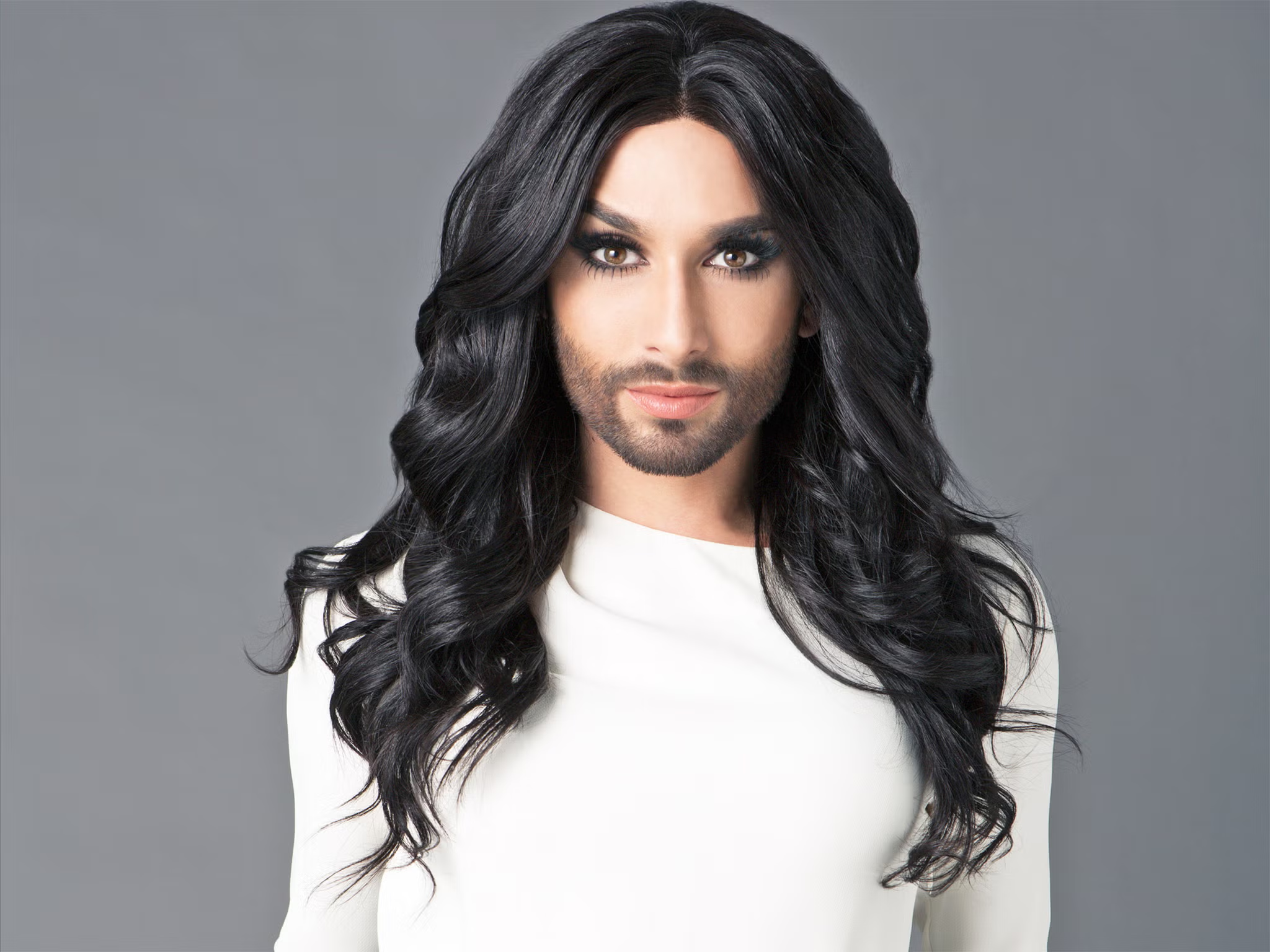
Sixteen years later, Conchita Wurst delivered another unforgettable Eurovision victory, representing Austria with Rise Like a Phoenix in Copenhagen in 2014.
Performed by Austrian artist Tom Neuwirth through his bearded drag persona, Conchita's appearance attracted enormous international attention. Yet it was the combination of a powerful vocal performance, striking presentation and a song about resilience that helped secure victory.
For many LGBTQ+ viewers, Conchita's triumph represented a celebration of individuality and the freedom to express yourself without conforming to other people's expectations.
The performance also sparked conversations about tolerance and acceptance that continued long after the contest ended. Conchita became an internationally recognised figure, demonstrating how Eurovision could introduce an artist's message to audiences far beyond Europe.
Nemo Makes Non-Binary History at Eurovision 2024

Eurovision witnessed another landmark moment in Malmö in May 2024 when Switzerland's Nemo became the first non-binary artist to win the competition.
Their winning song, The Code, explored self-discovery and the journey towards understanding personal identity. Blending musical styles with an energetic and technically demanding performance, Nemo captured the Eurovision trophy with 591 points.
The victory also secured Switzerland's first Eurovision win since Céline Dion claimed the title in 1988, making it a significant moment for both the country and LGBTQ+ representation.
For Nemo, the performance was deeply personal, allowing them to share their experiences with an enormous international audience. Their success demonstrated that stories about gender identity could connect with viewers across different countries, cultures and backgrounds.
Eurovision 2027 Carries That LGBTQ+ Legacy Forward
Eurovision returns on 11, 13 and 15 May 2027, with Bulgaria hosting the contest for the first time at Arena Burgas following DARA's victory in 2026.
As another generation of performers prepares for Europe's biggest televised music competition, the achievements of Dana International, Conchita Wurst and Nemo remain important chapters in Eurovision history.
Each victory was different, reflecting the identity, personality and artistic vision of the individual performer. Together, however, they helped establish Eurovision as a place where LGBTQ+ artists could reach millions of viewers and challenge conventional expectations.
The contest's relationship with LGBTQ+ communities has never been without controversy, and questions about acceptance and representation continue. Nevertheless, these three victories demonstrate the importance of giving artists the freedom to tell their stories and express themselves authentically.
For audiences looking ahead to Eurovision 2027, their legacy is a reminder that some of the contest's most memorable moments have meant far more than winning a trophy.