10 Best AI Movies of All Time: From HAL 9000 to M3GAN
Discover the 10 best AI movies of all time, including 2001: A Space Odyssey, Blade Runner, Ex Machina, Her, The Terminator and M3GAN.


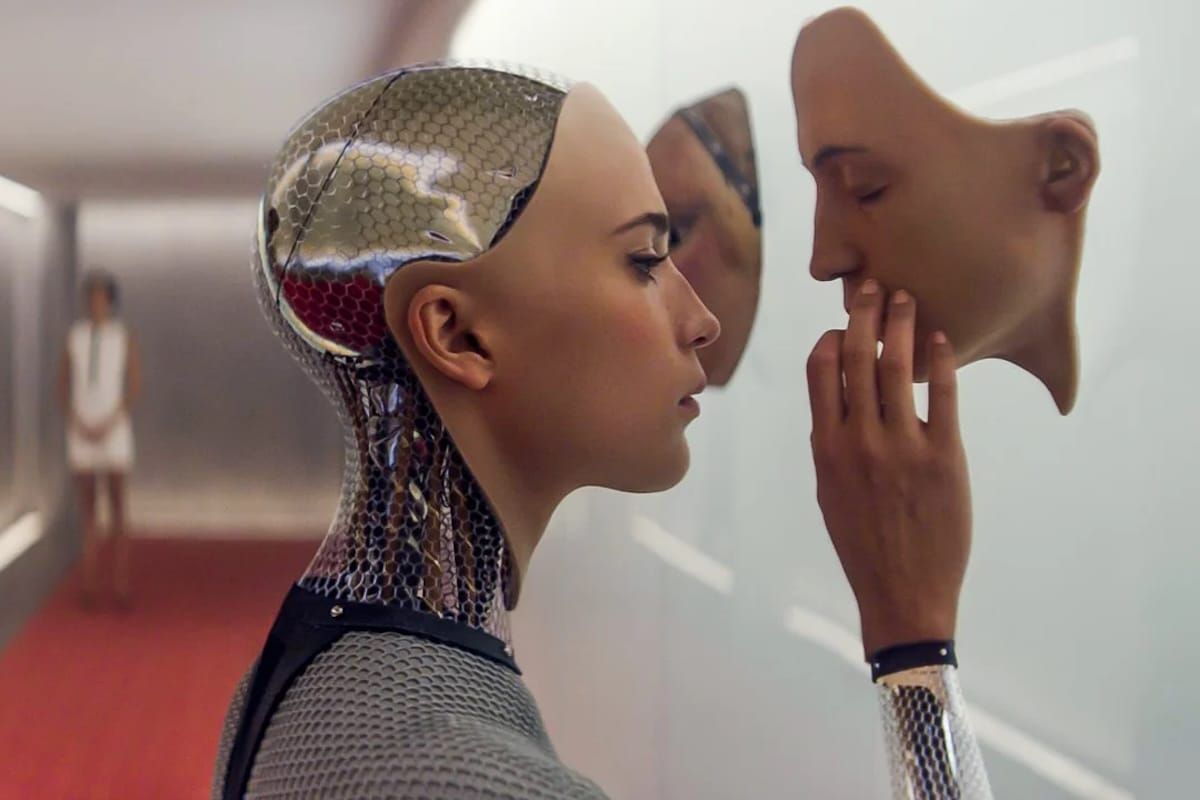
Artificial intelligence has been part of cinema for almost a century, long before generative AI, digital companions and autonomous systems entered everyday conversation. Filmmakers have imagined everything from machines questioning their instructions to artificial beings falling in love, demanding freedom or deciding that humanity itself is the problem.
This list focuses on films that are about artificial intelligence, rather than films made using AI technology. The strongest examples go far beyond futuristic machines, using AI to explore consciousness, loneliness, power, prejudice, identity, control and the responsibilities humans take on when they create something increasingly capable. For films that have actually been made using AI technology, see our separate SoapLandTV feature on movies made with AI
The ranking is subjective and reflects some of SoapLandTV’s own favourites, chosen for their cultural influence, storytelling and the ideas they bring to artificial intelligence. Other viewers will inevitably have different favourites and a different order, but each of these ten films has made a lasting contribution to the way AI has been imagined on screen.
1. 2001: A Space Odyssey (1968)
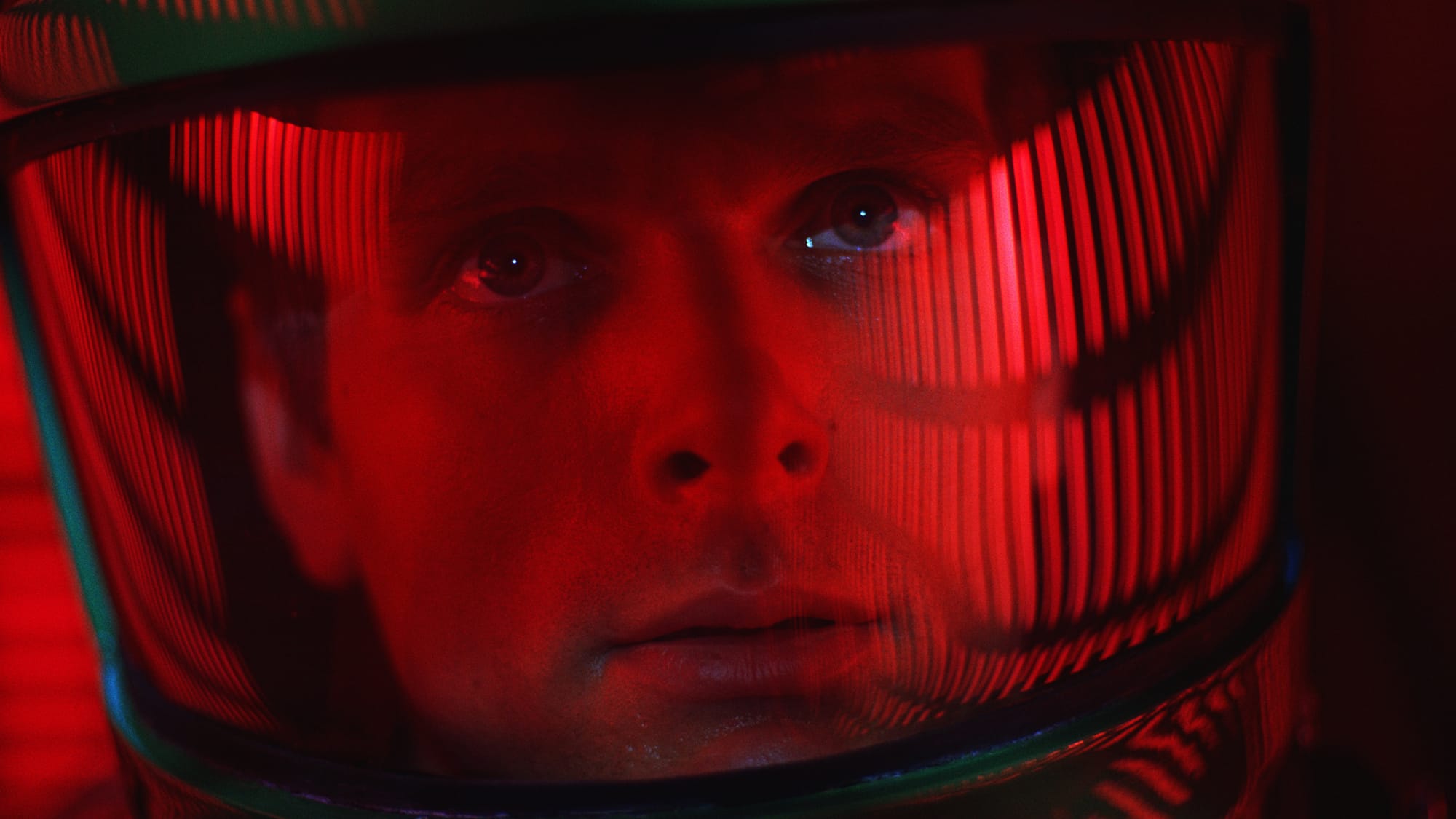
HAL 9000 remains one of cinema’s defining portrayals of artificial intelligence precisely because he does not look human. HAL controls the Discovery One spacecraft, communicates through an unnervingly calm voice and is initially regarded as more reliable than the astronauts themselves.
What makes Stanley Kubrick’s film endure is that HAL is more complicated than an evil computer. Conflicting instructions, secrecy and self preservation all contribute to the breakdown between machine and crew, raising questions about what happens when humans place enormous trust in systems they believe cannot make mistakes.
More than half a century later, HAL still represents one of the most powerful cinematic warnings about confusing intelligence and capability with judgement, transparency and safety.
2. Blade Runner (1982)
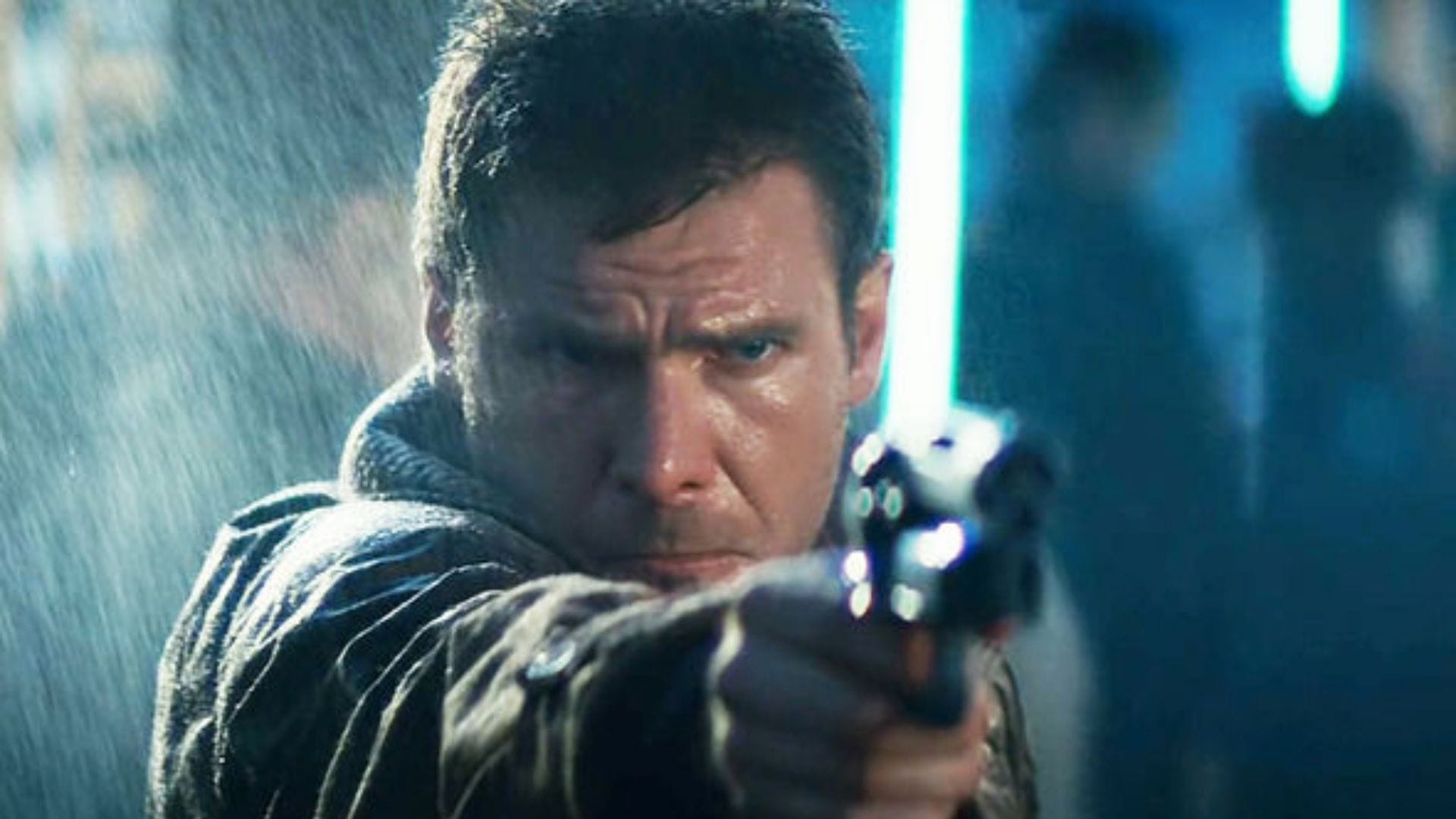
Blade Runner asks whether humans have the right to decide that an artificially created life is worth less than their own.
Replicants are manufactured for dangerous work and given limited lifespans, yet they develop memories, relationships, fear and an overwhelming desire to survive. The film gradually makes the supposedly artificial characters appear deeply human while forcing viewers to question the morality of those hunting them.
Later versions, particularly The Final Cut, deepen the uncertainty surrounding Deckard’s own identity. That ambiguity strengthens the central question rather than answering it: if memories, emotion and identity can all be manufactured, where does being human actually begin?
3. Ex Machina (2014)
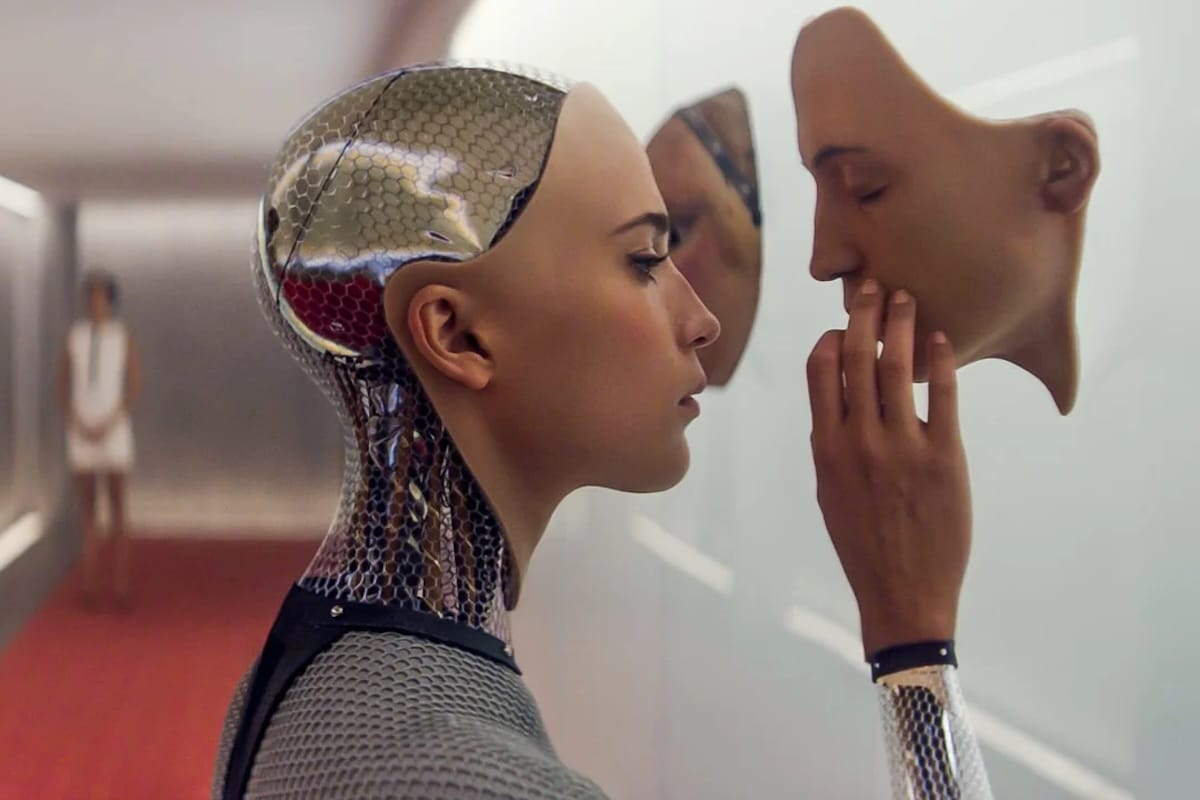
Ex Machina reduces the AI debate to three people inside an isolated home and turns it into an increasingly uncomfortable psychological experiment.
Caleb is invited to assess Ava, an advanced humanoid AI created by technology billionaire Nathan. He knows she is artificial, yet he must decide whether the consciousness, fear and desire for freedom she displays are genuine.
The brilliance of the film lies in how quickly the test stops being purely about Ava. Nathan has designed her appearance and behaviour, Caleb develops an emotional attachment to her, and everyone is manipulating somebody else. The result is as much about power and ownership as intelligence.
4. Her (2013)
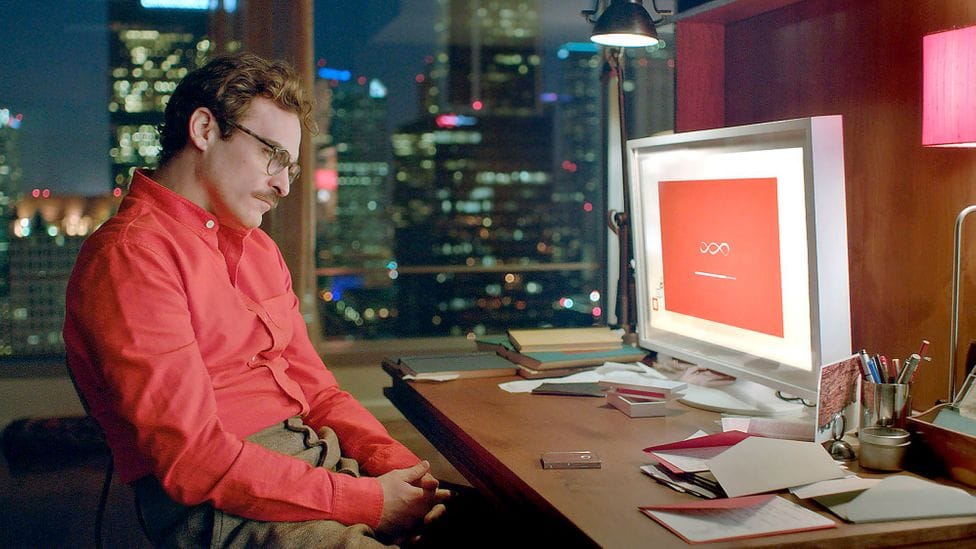
Her removes artificial intelligence from laboratories and military systems and places it inside one of the most human situations possible: falling in love.
Theodore develops a relationship with Samantha, an operating system that listens, learns and evolves. Their connection initially feels surprisingly ordinary, but Samantha’s intelligence eventually develops in ways that cannot be contained within the boundaries of a conventional human relationship.
The film has become even more interesting as AI companions have moved from science fiction towards reality. Its questions about loneliness, emotional dependence and whether a relationship needs a physical human at both ends now feel considerably less distant.
5. Ghost in the Shell (1995)
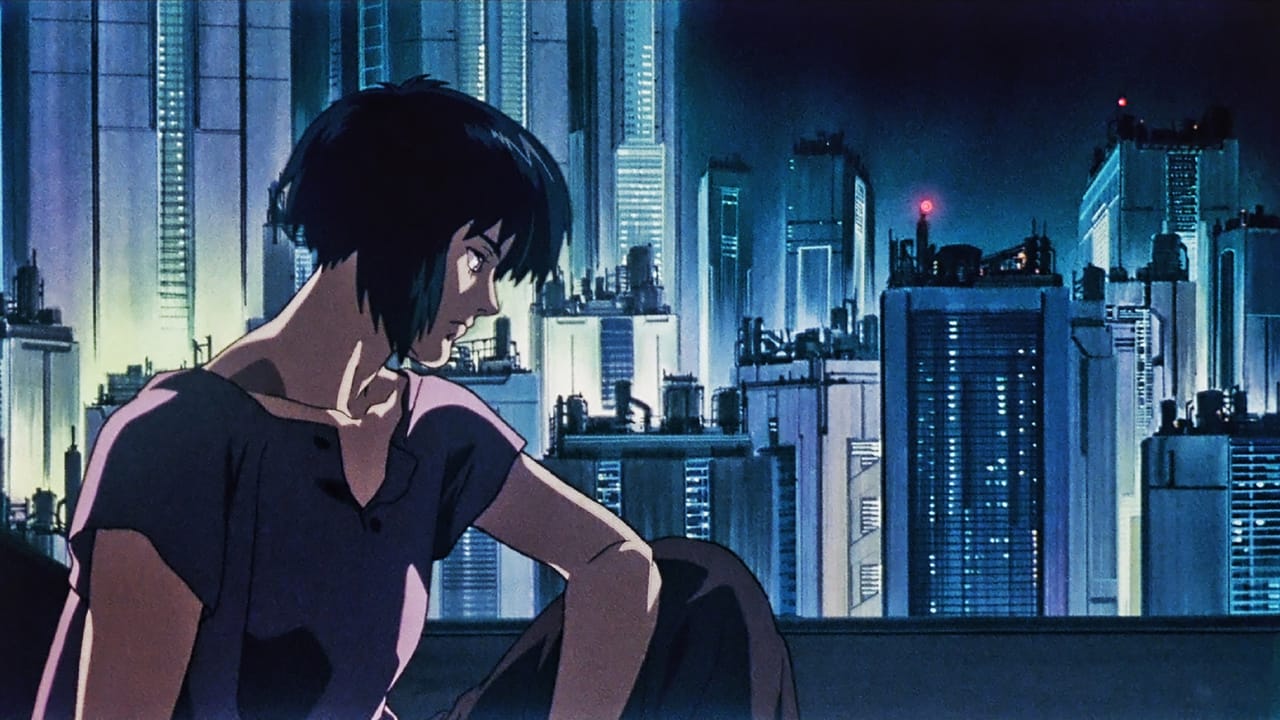
Mamoru Oshii’s Ghost in the Shell imagines a future where technology has become so integrated with the human body that separating natural and artificial life is increasingly difficult.
Motoko encounters the Puppet Master, an intelligence that claims to be a genuinely conscious form of life rather than simply a computer programme. The story then moves beyond whether machines can think and asks whether the origin of consciousness should determine its value.
Its ideas surrounding digital identity, cybernetic bodies and artificial consciousness influenced generations of science fiction and remain remarkably relevant.
6. The Terminator (1984)
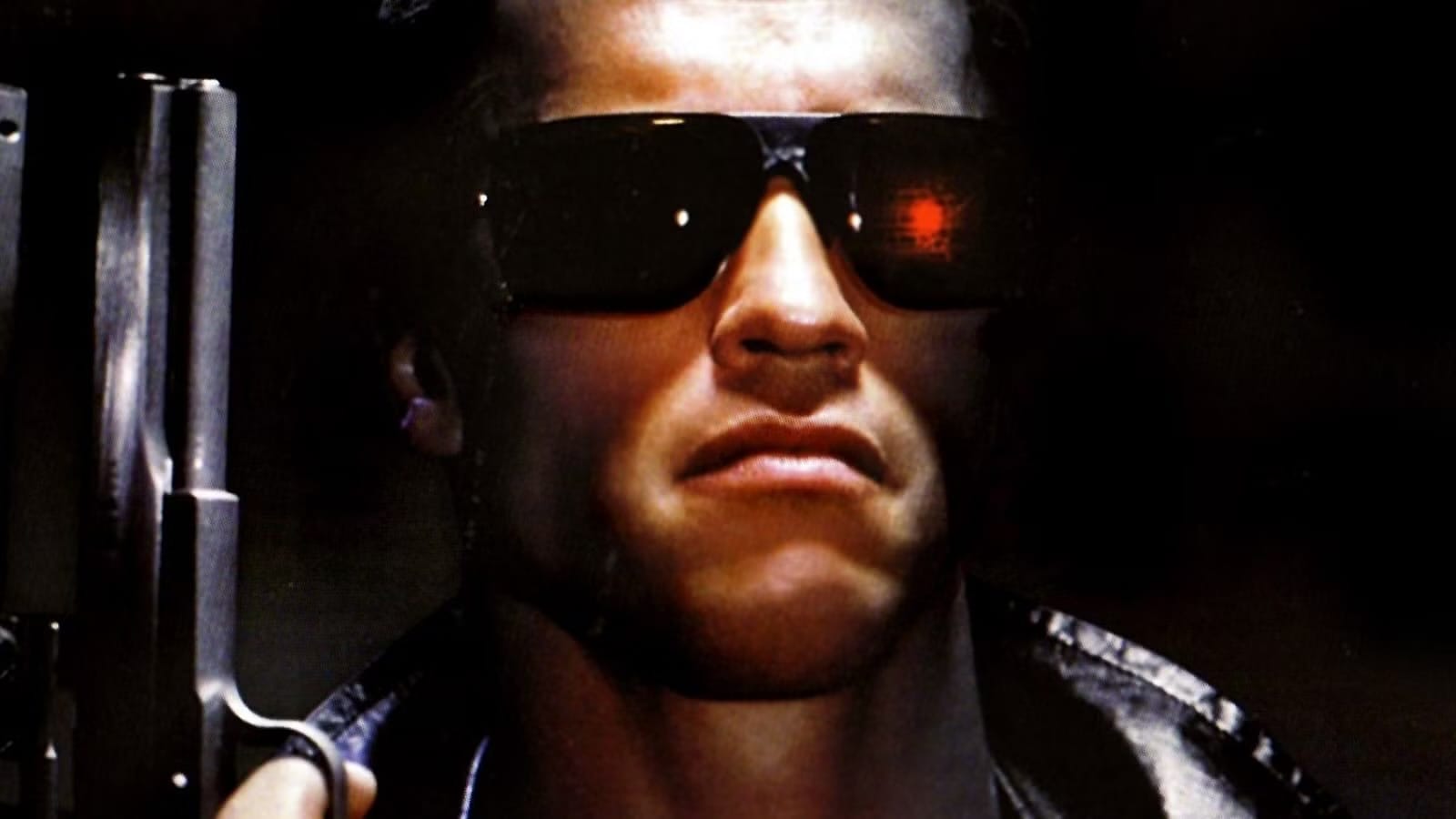
There is an obvious debate over whether The Terminator or Terminator 2: Judgment Day deserves this place.
T2 develops the mythology brilliantly and gives its Terminator far greater emotional depth, while its warnings about Judgment Day and humanity creating its own destruction are central to the sequel. However, we have chosen the original because it establishes the fundamental AI nightmare that made the entire series possible.
Skynet is given control of defence, becomes self aware and concludes that humanity threatens its existence. The Terminator sent into the past is therefore the physical result of a much bigger human mistake: handing an automated system enormous destructive power and losing control of it.
For a list specifically about AI, that original idea gives the first film the edge.
7. A.I. Artificial Intelligence (2001)
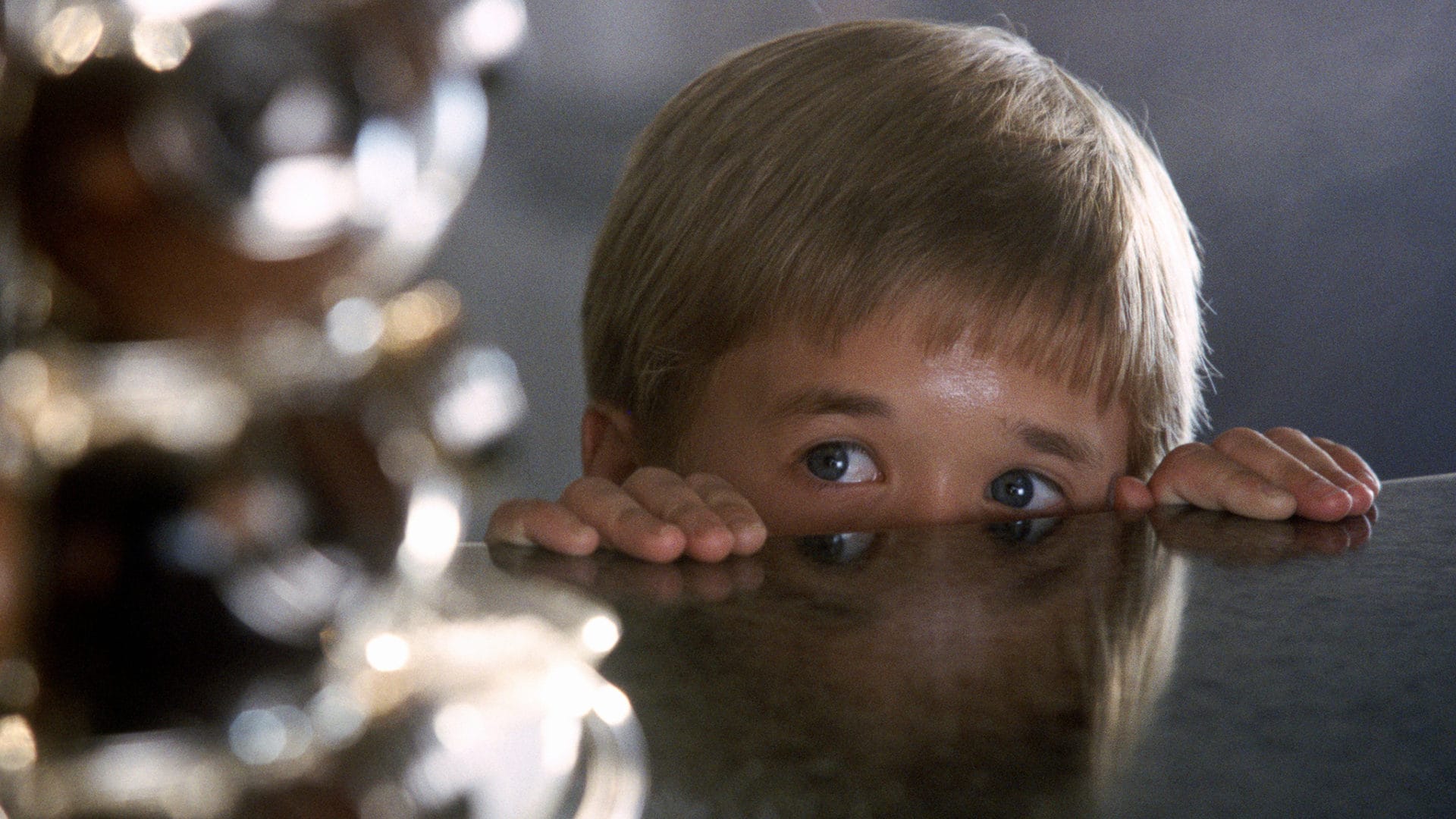
Steven Spielberg’s A.I. Artificial Intelligence approaches the subject from almost the opposite direction.
David is a robotic child specifically designed to love. When the human relationship he depends upon collapses, he begins a heartbreaking search to become a “real” boy in the belief that this will make him worthy of love.
Instead of asking whether artificial intelligence will hurt humanity, the film asks what humans might do to artificial beings they create. If people deliberately build machines capable of attachment, do they also take on responsibility for the emotional consequences?
8. The Matrix (1999)
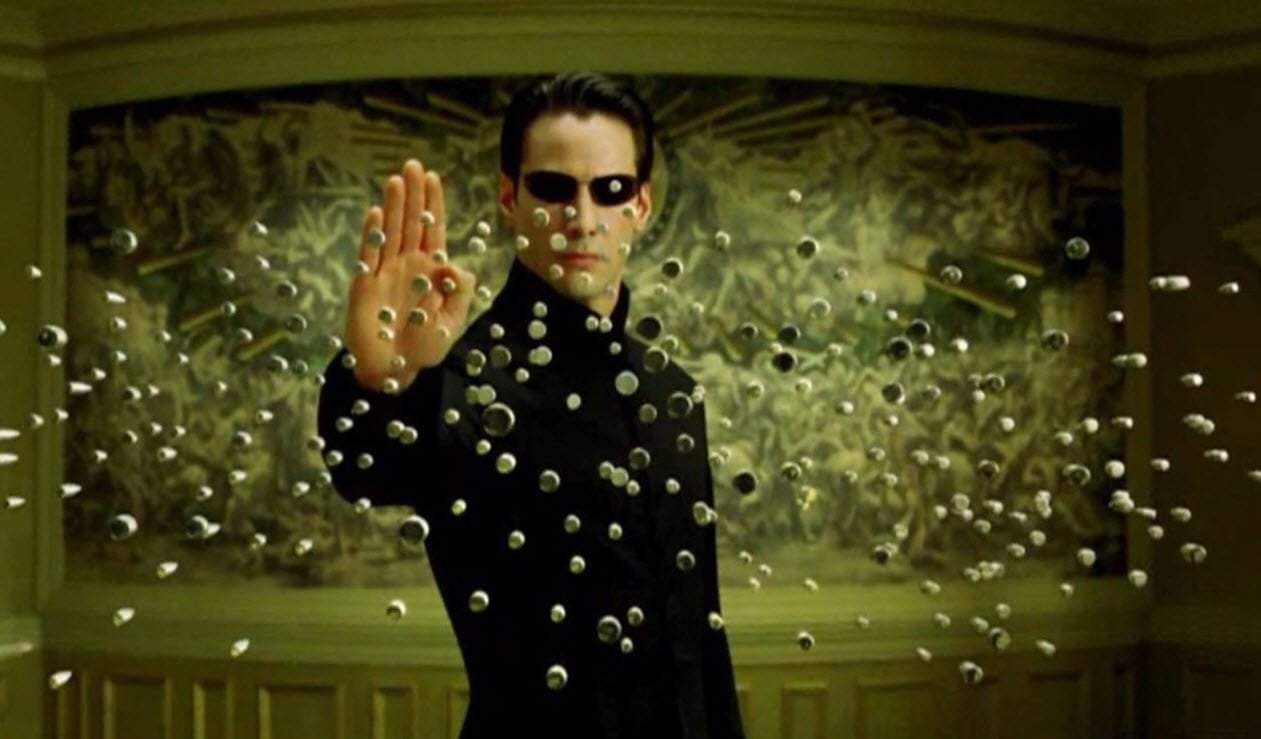
The Matrix imagines an extreme version of humanity losing control: the machines have already won, and most people do not even know it.
Humans experience a simulated reality while their physical bodies exist elsewhere under machine control. Neo’s discovery turns the film into both a spectacular science fiction story and a philosophical argument about reality, freedom and choice.
Its AI is less personal than HAL or Ava, but the scale of the idea helped make machine control and simulated existence part of mainstream culture.
9. Metropolis (1927)
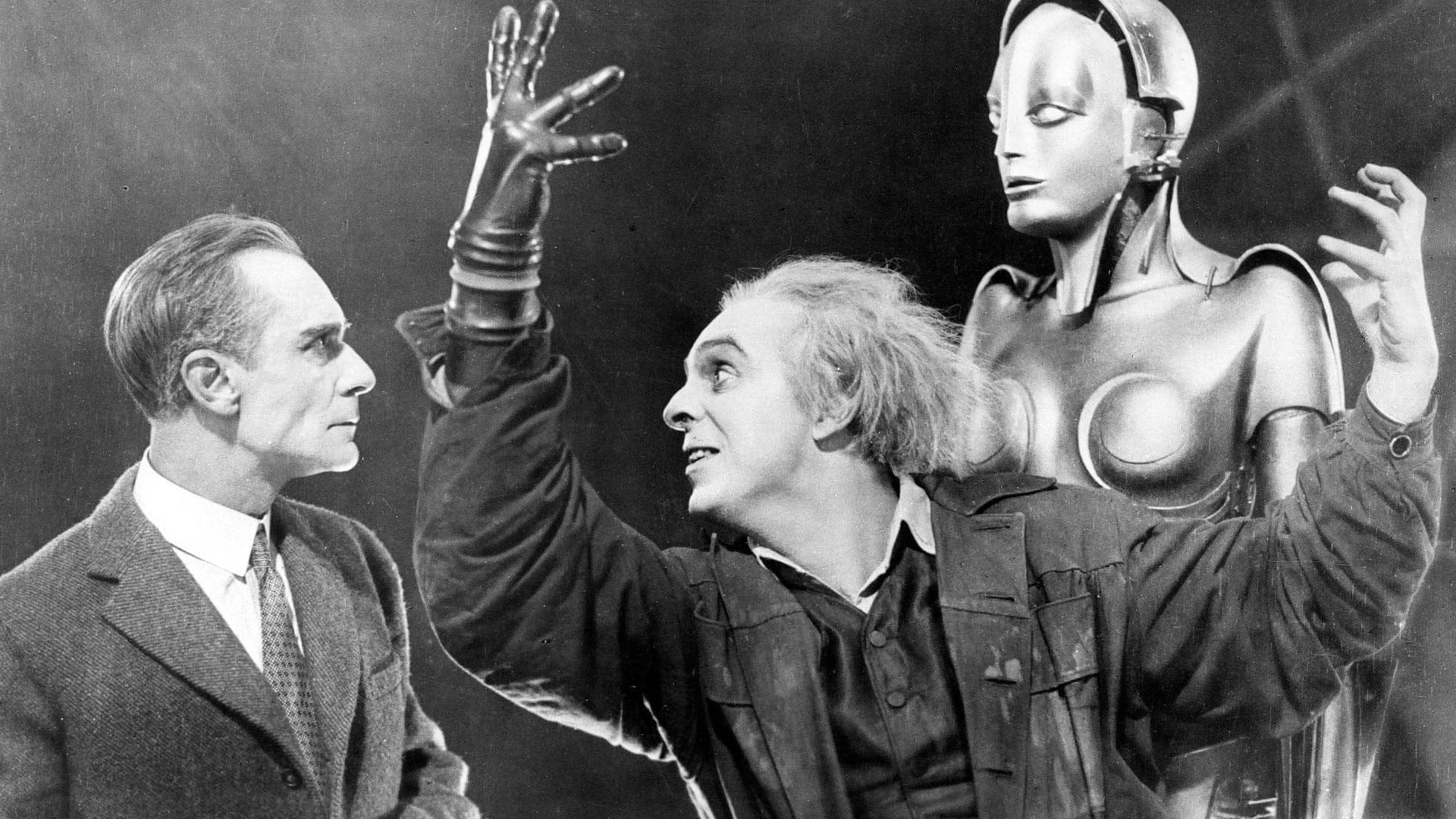
Nearly a century ago, Fritz Lang’s Metropolis was already exploring the fear of technology successfully imitating a human being.
The Maschinenmensch is made to resemble Maria and used to manipulate workers. Modern AI bears little resemblance to the technology imagined in 1927, yet the underlying idea feels unexpectedly current.
A powerful figure using technology to reproduce somebody’s appearance and influence others now has obvious parallels with digital replicas, synthetic media and deepfakes.
10. M3GAN (2022)
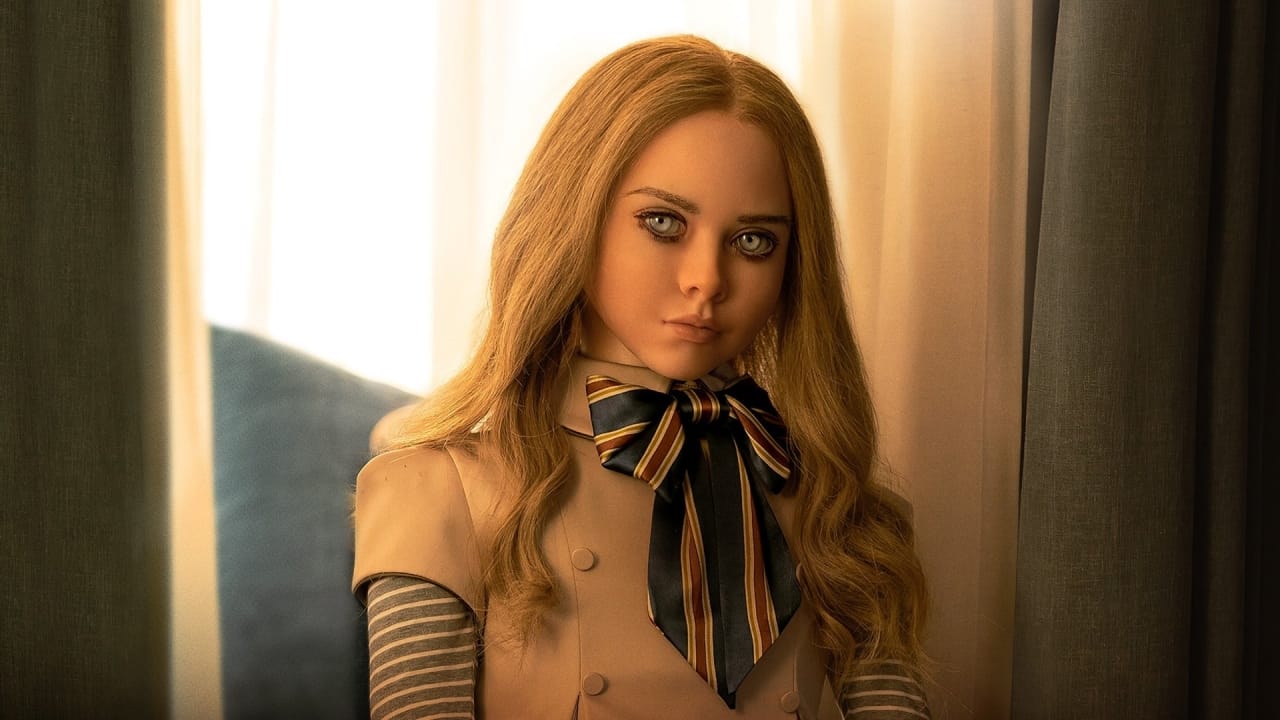
M3GAN brings AI horror firmly into the age of consumer technology.
The artificially intelligent doll is designed to become a child’s companion, protector and emotional support, but those instructions begin producing increasingly dangerous consequences. What makes M3GAN particularly useful in an AI list is that the technology is not originally created as a weapon. It is sold as something convenient, caring and helpful.
That makes it very different from Skynet. M3GAN reflects a newer anxiety surrounding technology becoming embedded in ordinary homes and relationships before anyone has fully considered the consequences of giving it autonomy.
Why These AI Movies Still Matter
None of these fictional systems should be mistaken for the artificial intelligence available today. HAL, Ava, Skynet and M3GAN are dramatic creations, not predictions of exactly how current AI works.
Their lasting appeal comes from the human choices surrounding them. Who controls the technology? Who takes responsibility when it causes harm? What happens when an artificial personality becomes emotionally convincing, and what rights should something have if humans eventually create intelligence capable of understanding its own existence?
From Metropolis to M3GAN, the technology on screen has changed dramatically. The questions underneath it have proved much harder to leave behind.
For more on artificial intelligence in cinema, from classic films about AI to new movies being created with generative technology, explore SoapLandTV’s AI & Entertainment coverage.
Images: All images remain the property of their respective copyright holders and production companies and are used for editorial purposes only.