1,000 LGBT Veterans Still Missing From Military Redress Scheme as Deadline Nears
Around 1,000 LGBT veterans may still be missing from the military redress scheme, as applications approach the 12 December 2026 deadline.

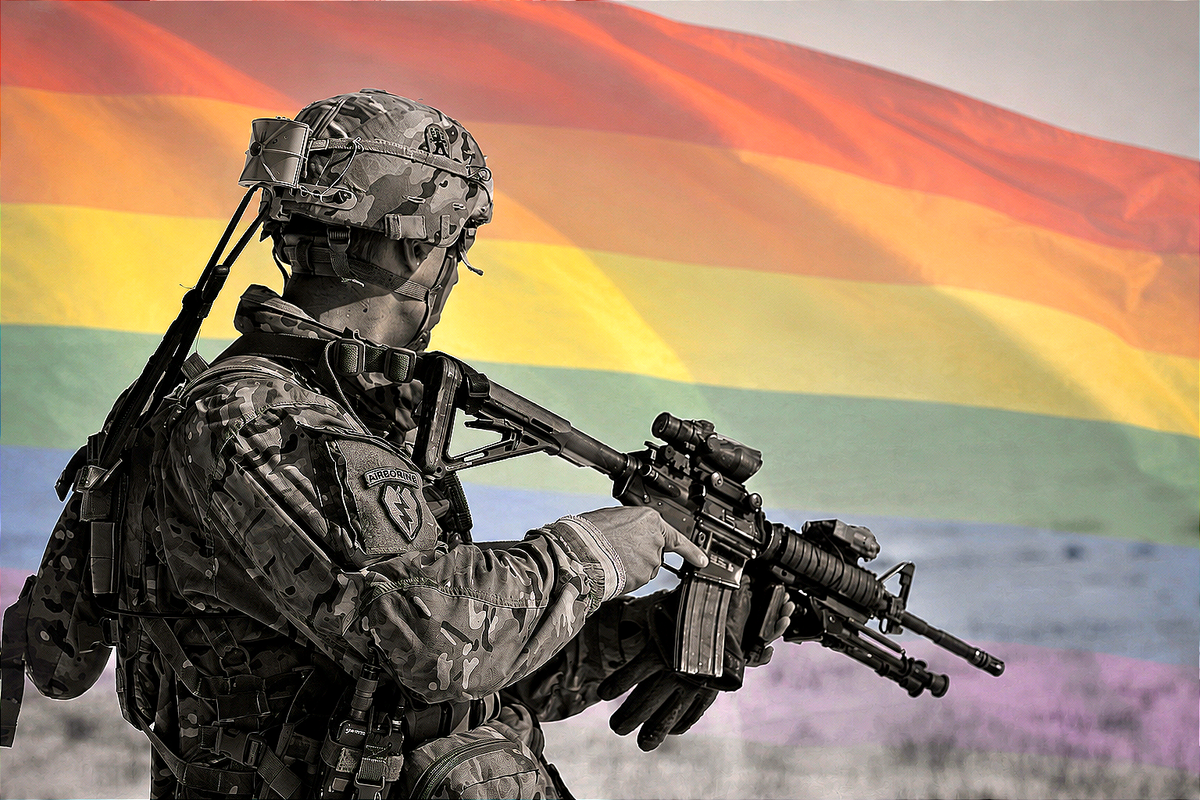
Around 1,000 LGBT veterans affected by the historic ban on LGBT people serving in Britain’s Armed Forces are still believed to have not come forward for financial redress, prompting renewed efforts to reach those who could be eligible before applications close.
The Ministry of Defence’s latest figures show that 1,696 individual applicants had applied to the LGBT Financial Recognition Scheme as of 24 August 2026. A total of 2,145 decisions had been made and £57.808 million had been paid through the scheme
Fighting With Pride, the LGBT Armed Forces charity, launched its Battle for Lost Veterans campaign in June and estimates that at least another 1,000 people affected by the historic ban have yet to come forward.
Why LGBT veterans are being urged to act
For decades, LGBT personnel serving in the Armed Forces could face dismissal, discharge, intrusive investigations and other forms of mistreatment because of their actual or perceived sexual orientation or gender identity.
The ban remained in place until January 2000, long after homosexuality had begun to be decriminalised in civilian life. Its consequences for those serving during the period were examined by the LGBT Veterans Independent Review, published in July 2023.
The Financial Recognition Scheme was subsequently established following recommendations from the review, with £75 million allocated to provide financial recognition to people directly affected by the ban.
Fighting With Pride is now trying to reach former service personnel who may be unaware that they could qualify or who have become disconnected from both the Armed Forces and LGBT communities.
When launching the Battle for Lost Veterans campaign, Fighting With Pride chief executive Peter Gibson said the charity knew there were more veterans who were still owed justice and urged them to come forward. The campaign is also encouraging friends, relatives and others who know someone who served during the ban to make them aware of the scheme while applications remain open.
Veterans could receive up to £70,000
Two different types of payment are available, and eligible veterans can apply for either or both depending on their circumstances. Someone who qualifies for both payments could receive a combined total of up to £70,000.
The LGBT Dismissed or Discharged Payment is a flat £50,000 payment for eligible people who were dismissed or administratively discharged solely because of their actual or perceived sexual orientation or gender identity. It can also cover officers who were ordered or instructed to resign or retire by their respective Service Board.
The separate LGBT Impact Payment recognises other experiences and the personal impact of the ban. Payments range from £1,000 to £20,000 depending on the level determined under the scheme.
Importantly, the scheme is not limited to veterans who were formally dismissed from the Armed Forces. Those who experienced other qualifying forms of harm while serving under the ban may be eligible for an Impact Payment.
Recognition goes beyond financial payments
Separate non-financial restorative measures are also available as part of efforts to recognise the treatment of LGBT personnel and restore their service and dignity. Depending on individual circumstances, these can include a personal letter of apology from a Service Chief of Staff, replacement berets or cap badges, replacement discharge papers and measures relating to rank or service records.
Veterans affected by the ban can also apply for the Etherton Ribbon, created specifically to recognise those who served while the policy was in place. Some measures can also be requested by a person of sufficient interest on behalf of a veteran who has died, subject to the individual eligibility requirements.
How LGBT veterans can apply
The Financial Recognition Scheme is open to eligible people who served in HM Armed Forces during the period covered by the scheme and were affected by the ban. Applications can be submitted online through the official Financial Recognition Scheme app on Defence Gateway or by using the official hard-copy application form.
The Ministry of Defence encourages applicants to complete their application as fully as possible and says it will contact them if further information is required. Fighting With Pride and the Royal British Legion can both provide support to people completing applications, while assistance is also available through the Veterans Welfare Service and Veterans UK.
The financial scheme closes at 11.59pm on 12 December 2026, leaving only a few months for people who believe they may qualify to begin the process. For some former personnel, coming forward may mean revisiting a period of their lives they have spent decades trying to leave behind, making awareness of the available support particularly important.
The continuing effort to find the estimated 1,000 missing veterans is about ensuring people know that recognition and specialist support remain available before the window closes. Friends and family could also play an important role by making former service personnel aware that the scheme exists.
Veterans can check their eligibility and apply through the LGBT Financial Recognition Scheme on GOV.UK, with support also available from Fighting With Pride.
If you know somebody who served during the ban and may be eligible, please make them aware of the scheme before the 12 December 2026 deadline.