Zhaion creator Edmund on the AI music debate he refuses to hide from
Zhaion creator Edmund explores the personal stories behind NO CLEARANCE, how he makes the music and his hopes for the virtual artist’s future.


Following our first article about Zhaion, we were keen to find out more about Edmund and the work behind the virtual R&B artist.
With his second Zhaion album, NO CLEARANCE, out now, he welcomed the chance to answer our questions, including the difficult ones about AI music.
Edmund also releases music as Grateful Edmund, but says writing for Zhaion has allowed him to be more open about his own experiences. In the interview, he discusses Still, a song about carrying on through pain, and explains how writing for a fictional character helped him say things he might otherwise have held back.
NO CLEARANCE features nine tracks and is the middle album in a planned trilogy, following BANNED and leading towards LIVE FROM NOW. Edmund has also created three accompanying short films and We On The Lodge Wit It, a free browser game set on Detroit’s Lodge freeway, with the album playing as you drive.
We asked him how the songs come together, what AI contributes and where human musicians fit into his plans. He also discusses consent, creative credit and why using his own voice as the starting point does not mean he is singing the finished tracks.
Edmund introduces his work
Edmund wanted to begin with a few words about his role in the project. Here is his introduction, followed by our questions and his answers.
Before the questions, one thing, because the label people reach for is usually wrong.
I am a songwriter. That is the job, and it was the job before any of this. What I do now is use AI tools to make records, the way a studio uses any other equipment – and there are humans all through that chain, including me. I write every lyric. Zhaion's voice is generated from a recorded sample of my own voice, so it is my voice, but I am not the one singing it and I am not going to pretend otherwise. I edit the stems. A human engineer masters every record. All of that has been public since the first release.
So: a songwriter who uses AI tools, his own voice, and human hands where they are needed. Not a man typing prompts, and not a man pretending there is no machine in the room. Both of those are easier stories than the real one.
You already make music as Grateful Edmund. What has creating Zhaion allowed you to do that you didn't feel able to do as yourself, and what has surprised you?
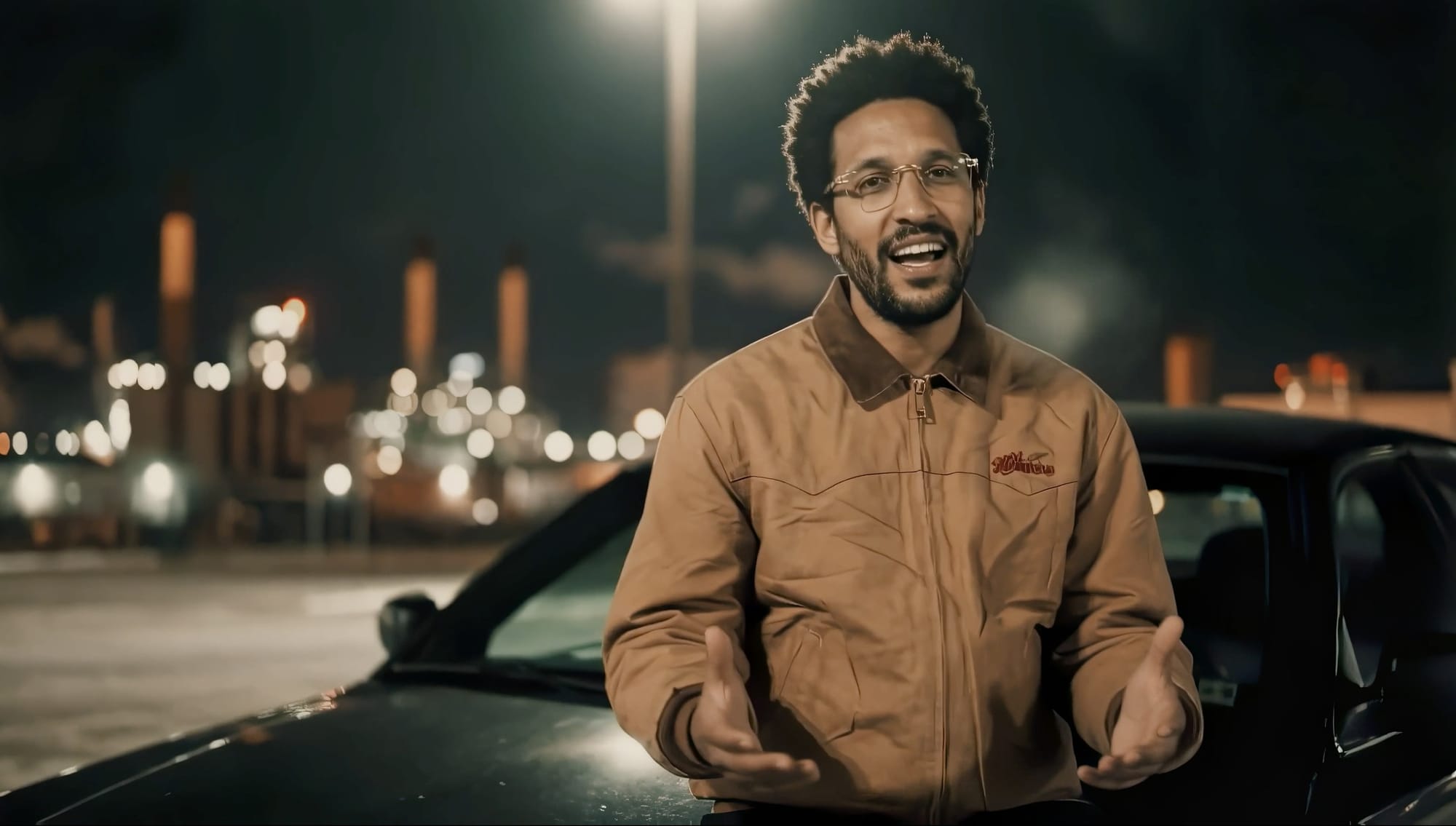
Write colder.
Grateful Edmund has to be me, and that is a limit on the page. Anything under my own name gets read as a report on my life, so you start writing with that in mind – you soften a line, or you explain it, because people who know you are listening.
Zhaion has no life to report on. He does not chase and he does not explain himself. That gave me somewhere to put writing I had never found a home for.
What surprised me is that it went the other way round from what I expected. I assumed a character would be a mask. It is the opposite -- writing for someone who is not me is the most direct writing I have done, because there is nobody in the room to protect. Lines I would have talked myself out of under my own name went straight onto the record.
The second surprise was scale. On my own I make records. Building a character, I ended up writing an album, directing three short films and building a browser game set on the real Lodge freeway, because a character needs a world and I had nobody to ask permission from.
But the thing I was doing the whole time was songwriting. That part did not change.
Pick one song from NO CLEARANCE and take us through how you made it. What did you write or record yourself, what did AI generate, and which decision made the biggest difference?
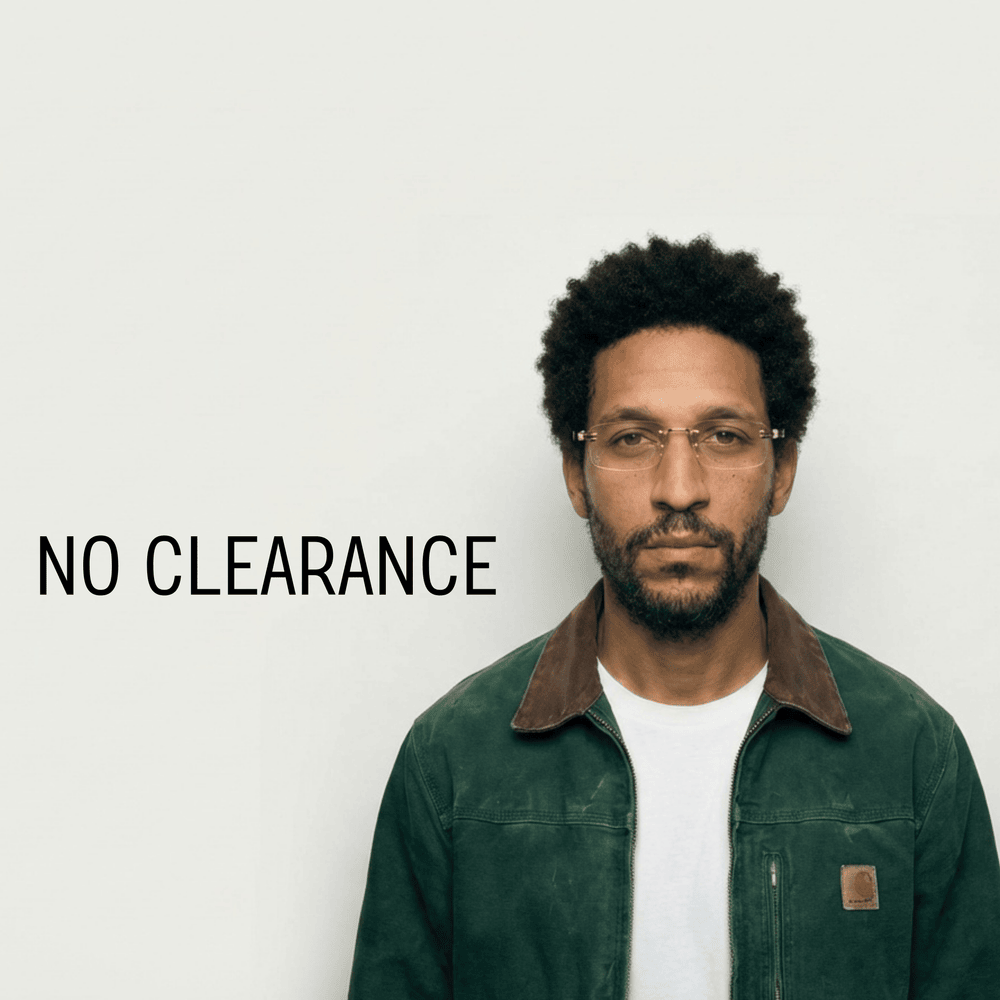
"Still." The most emotionally complex thing on the album, and the one where I did the least.
I wrote it. I write every lyric on every Zhaion record. I have a background in song structure and that is the part I will not hand over. The song turns on two lines – "I don't feel numb / I just don't move." Not a clever line. A plain one, and it took longer to reach than anything flashy would have.
Then the chain, in order, because this is what people actually want to know.
I use Suno for the production. The vocal is generated using a recorded sample of my own voice -- that is a feature of the tool -- so the voice you hear is derived from mine, but I am not the one singing. Then I download the stems and make changes to them as I see fit. I am not taking what the tool hands me and calling it finished. I choose the takes, arrange it, sequence it, and there is a lot of work on the back end -- echo, treatment, the mix. Then a human engineer masters it. There is a person with ears on the final record and I pay for that.
The decision that made the biggest difference was taking words out. My first pass explained what the song was about. The rule I write to on this album is that minimal lyrics mean a longer runtime, and you do not add words to reach three minutes. So I cut it back until the restraint was the statement instead of something I was describing. "Still" is under three minutes and it is the one people come back to.
Sometimes I use AI tools to check nothing is overworded. That is the only thing I use them for on the writing side. They do not generate my lyrics and they never have.
So when people ask what I am: a songwriter who uses AI tools, his own voice, and an engineer. That is the whole method and there is nothing behind it.
How does your own voice become Zhaion's? When we hear emotion in his singing, how much comes from your original performance and how much are you shaping through the technology?
Literally. A recorded snippet of my actual voice.
That is a feature of the tool I use -- you give it a sample of a voice and it lines the vocals up to it. So Zhaion's voice is a variation of my voice, run through Suno. My voice is the source material for every song on the record.
But I am not actually singing, and I am not going to let that get reported as though I am. That is the whole reason I want to answer this one carefully. It would be easy to say "that's me" and let people assume I was at a microphone. I was not. The performance is generated. The voice it is generated from is mine. Those are two different sentences and the difference matters.
One thing I did not expect: the album was recorded over several months, and the tool kept getting upgraded in that time. So even though I am incorporated in all nine songs, it is not always perfectly aligned to my vocal -- there is slight variation in the sound from track to track. I could have fought that. I left it, because it gives the record a fresher sound than it would have had if every song came off the same version of the same tool. And a lot gets done on the back end anyway -- echo, the mixing, the mastering -- so that variation becomes part of the texture rather than a flaw in it.
Where the emotion actually comes from, since that is what you asked:
The writing. "I don't feel numb / I just don't move" lands because of what is not around it.
Choosing. A generated vocal is not one take, it is dozens, and most are wrong in a way that is hard to describe and easy to hear -- too crisp, too keen, too much consonant. I have a rule: if the consonants sound crisp, it is wrong. Finding the take that sits inside the beat instead of on top of it is the job, and it is the same ear I have used on my own records for years.
Finishing. Stems pulled down, edited, treated, arranged, sequenced, then mastered by a person.
So: my voice, not my performance, every word mine, every decision mine. I would rather give you five sentences that are accurate than one that sounds better.
Has AI ever given you a musical idea that was better than the one you had in mind? When that happens, how do you think about your role as the songwriter and where the creative credit belongs?
Musically, yes, and often. Lyrically, not once.
On production it has handed me things I would not have reached for -- a chord sitting under the vocal differently than I planned, a groove with more space than I had written. On "Zero Cool" the sparseness went further than I intended and it made the track. I kept it. That is what good equipment does: it gives you something you did not ask for and you decide whether it is better.
On the writing it has never beaten me, and that is not pride, it is a description of what the tool does. It generates something plausible. Plausible is the enemy of a good line.
On credit, I will be precise, because this is where people in my position get vague and I think that is a mistake. The songwriting credit is mine, because I wrote it. The vocal is generated, from a sample of my voice, and I am not performing it. The instrumental is generated. A human engineer masters it. The choosing, the editing, the arranging, the sequencing and the cutting are mine, and I would argue that is most of what producing has ever been.
What I will not do is let "written and produced by" do work it cannot support. A tool that gives you a thousand options does not make the choice -- but it did make the options, and saying so costs me nothing. I would rather own a smaller credit honestly than a bigger one I have to defend.
What is the most personal thing you've written for Zhaion? Does putting it in another character's voice give you the freedom to be more honest?
"Still." The most personal thing on the record, and it is also quietly turning into the most popular song on the album, which I did not expect at all.
It comes out of things I have actually been through. The short version is that I have become numb to pain. Not that pain stopped existing -- I acknowledge pain exists, I am not pretending otherwise. But no matter what gets put in front of me, I am going to push through it. I remain still. Period.
That is what the title is. Still as in I have not moved. Not still as in frozen.
The line people pull out of it is "I don't feel numb / I just don't move," which sits slightly against what I have just told you, and I am fine with that. Numbness is something that happens to you. Stillness is a decision. The song is about the second one. I wrote two plain lines instead of explaining any of this, and the plainness is why it works -- if I had written out what I just said to you, it would be a worse song.
On whether another character gives me the freedom to be more honest: yes, and more than I expected. I assumed a character would be a mask. It is the opposite. Under my own name I would have softened that, or explained it, because people who know me are listening. In his mouth there is nobody in the room to protect, so it went down exactly as it is.
And the part that surprised me is the response. I did not build "Still" to be the single. It is becoming the most-played thing on the album anyway, and I think that is because a lot of people right now feel precisely like that -- not broken, not fine, just not moving. Standing there taking it and carrying on. That is not a Detroit thing and it is certainly not an AI thing. That is where a lot of people are at the moment.
Which is what I would want your readers to take from all of this. Nobody is playing that song because of the technology. They are playing it because of two lines I wrote about my own life. That is the whole of what I am telling you about what I do.
You've made openness a big part of this project. What do you think listeners deserve to know before they press play, especially if they discover a song without ever visiting your website?
That it is AI, and that they did not have to go looking for it.
That is the whole of it. They deserve to know before they press play, not after they get attached and then feel foolish. It is on the website, it is in the credits, and it is in a third-party disclosure certificate I filed before a single person asked me for one.
Beyond the label, they deserve the breakdown, because "AI music" has stopped meaning anything. So, in plain sentences:
A songwriter in Detroit wrote every word. The vocal is AI-generated from a recorded sample of that songwriter's own voice -- it is his voice, and he is not the one singing it. The instrumental is generated. A person chose the takes, edited the stems, treated them, arranged and sequenced them. A human engineer mastered it. A person directed and cut the videos and built the game. There is no label, no advance, no marketing budget and no paid placement anywhere in it.
Somebody who hears it on a video and never comes to my website is exactly who I filed the disclosure for. That is why it is not a paragraph buried in an About page.
And honestly -- I would rather lose a listener at the disclosure than keep one who finds out later. The second one you lose forever, and you deserve to.
Would you be comfortable with someone using your music to train their own AI artist without asking you? How does your answer shape what you expect from the companies behind the tools you use?
Without asking, no. Asking and paying me, absolutely -- and I would treat it as an income stream, not a favour I'm granting.
That is the part I think artists are getting wrong. The fight has been framed as stop it, and stop it is not going to happen. The better position is a licence. If my catalogue is good enough to teach a model something, that is a use, and uses get paid for. Sync gets paid for. Mechanicals get paid for. Streaming gets paid for, badly. Training is the next line on the royalty statement, and I would rather be on it early than arguing about it late.
So what I expect from the companies behind my tools is exactly what I would offer: consent first, then a rate.
And that is now where the business is going, which is why I will say this without hedging:
Warner settled with Suno in November 2025, and the deal is opt-in -- artists and songwriters choose whether their name, image, likeness, voice and compositions get used, with a compensation framework attached.
Universal licensed Udio on the same principle, with royalties paid per output.
Suno signed BMG, and signed Believe and TuneCore to bring independents in. Their line was that the artist must consent first, period. Merlin did a framework covering around thirty thousand independent labels.
And Suno is retiring the models trained without those licences in favour of the licensed ones.
Now the honest part. Nobody has published a rate. There is no per-output rate card anywhere in public, the money routes through the same pipes as every other royalty, and most of these programmes are still rolling out rather than paying. So I am not going to tell you I am getting training cheques, because I am not, and neither is any independent artist I know. The door for independents runs through Believe, TuneCore and Merlin, and I am not distributed through any of them, so there is not even a queue I can join yet.
But the principle has been conceded, and that was the thing in doubt two years ago. The frameworks exist. The rate is a negotiation, and a negotiation is a much better place to be than a lawsuit.
And the uncomfortable bit, because it is my own exposure. I use Suno. The early records were made on models trained on work whose owners were not asked. I cannot undo that and I am not going to pretend my timing was principled. What I can do is be on the licensed version going forward, be first in the queue when the opt-in reaches independents, and not demand a protection I am unwilling to extend. Anyone who wants to train on Zhaion can have a licence and a rate. Same deal I want.
What can a human singer or musician bring to your work that AI cannot? If you had the budget to take Zhaion anywhere, would you want human collaboration to be part of it?
Risk. A human being does something you did not ask for.
A model gives you what you pointed it at, then variations on it. A singer walks in, misreads a line, and the misreading is better than the line. A bass player sits behind the beat because of how he feels that afternoon. You cannot prompt a bad mood. That unrepeatable thing is most of what makes old records sound alive.
And this is not aspirational for me -- there is already a human in that chain and I pay for him. A human engineer masters every Zhaion record. Mastering is judgement, and I pay for a person's. The songwriting is me. The voice is built from my voice. The machine is one link, not the whole of it.
With a budget, yes, without hesitating. First call is live strings and live bass -- the next record is meant to be warmer and looser with more swing in it, and that is the one thing I cannot fake convincingly. Second call is a featured vocalist, a real one, singing opposite Zhaion. An AI character and a human being in duet, both credited plainly. Nobody has done that honestly yet and I think it would be the most interesting record I could make.
It would not make Zhaion less of what he is. It would make the disclosure more interesting, because then you would have to say which is which -- and I would.
If the technology you use disappeared tomorrow, what would happen to Zhaion? How are you making sure his voice and future stay in your hands?
The records would still exist. The films, the game, the vinyl, the CDs. You cannot un-press a record.
What would stop is new music in that voice, and I will be honest that this is a real dependency. If every one of these tools went dark tomorrow I could not make album three as it is meant to sound. The voice is built from mine, but I cannot reproduce what the tool does with it, and I am not going to claim I could.
What I would still have is the part that was never rented. I own the masters and the publishing outright, through Gray Matter Music Publishing, BMI, and Kissmet Music Group. I own the likeness, the three films and the game. There is no label that can shelve it and no platform that can take it down. The website is mine, the store is mine, the game sits on my own domain and it is free. The album physically exists on vinyl and CD, which is the most low-tech insurance there is.
And the writing is mine. The songs on NO CLEARANCE are songs. If I had to perform them myself tomorrow with a piano, they would still be songs. That is the whole reason I keep saying I am a songwriter who uses AI tools rather than the other way round -- the tools are the part that can be taken away.
How I keep it in my hands: own everything, buy nothing I cannot walk away from, keep physical copies, keep the disclosure public so there is nothing for anyone to expose later, and keep the scarce thing -- the writing -- in the one place no tool has got to.
If the tools vanished, Zhaion would become a finished body of work instead of an ongoing one. Plenty of artists end up there. I would take that over owning none of it.
What's the most thoughtful criticism you've heard about AI music, even if it was uncomfortable? Has it helped you make Zhaion better or changed what you want to do next?
It was not hostile, which is why it stuck.
Somebody asked me recently: why don't you save some of the songs you've written for a human artist? Reasonable question, asked in good faith. And it sat with me, because of the assumption underneath it -- that these songs are being wasted on Zhaion. That there is a better home for them and I am choosing the lesser one.
I don't believe there is a wall. I will work with any artist, AI or human. That is not a position I have to talk myself into; it is just how I see the work.
And the practical answer is that the premise does not hold. What I write for Z is not what I would write for somebody else. He has a very distinctive sound and a very distinctive delivery, and those songs would not fit another artist -- not another AI artist and not a human one. Hand "Still" to a different singer and it is a different song, and probably a worse one. They were written for the voice they are in.
So the biggest takeaway for me is this: people think it has to be this or that, when it can literally be both. AI music versus human music is the frame everybody has agreed to argue inside, and I do not think it is a real frame. I am a human songwriter. The voice is generated from my own voice. A human engineer masters it. If I get a budget, live players are on the next one. Where exactly is the wall supposed to go?
That is the criticism that has actually changed anything for me -- not someone telling me it is not real music, which is easy to shrug off, but someone kindly suggesting I was wasting the writing. It made me realise the argument I need to be having is not AI or human. It is who wrote it, who decided, and who is being paid. Those questions I can answer on any record, by anybody.
You made the album playable inside a free video game and gave local businesses free advertising. What inspired that approach?
Because an advert for a record is something people skip, and a game is something people play.
NO CLEARANCE is the in-game radio station in a free browser racer set on the real M-10 Lodge freeway in Detroit. No download, no sign-up, no payment. You drive, and the album plays. I did not make a trailer for the record. I made somewhere you can be inside it.
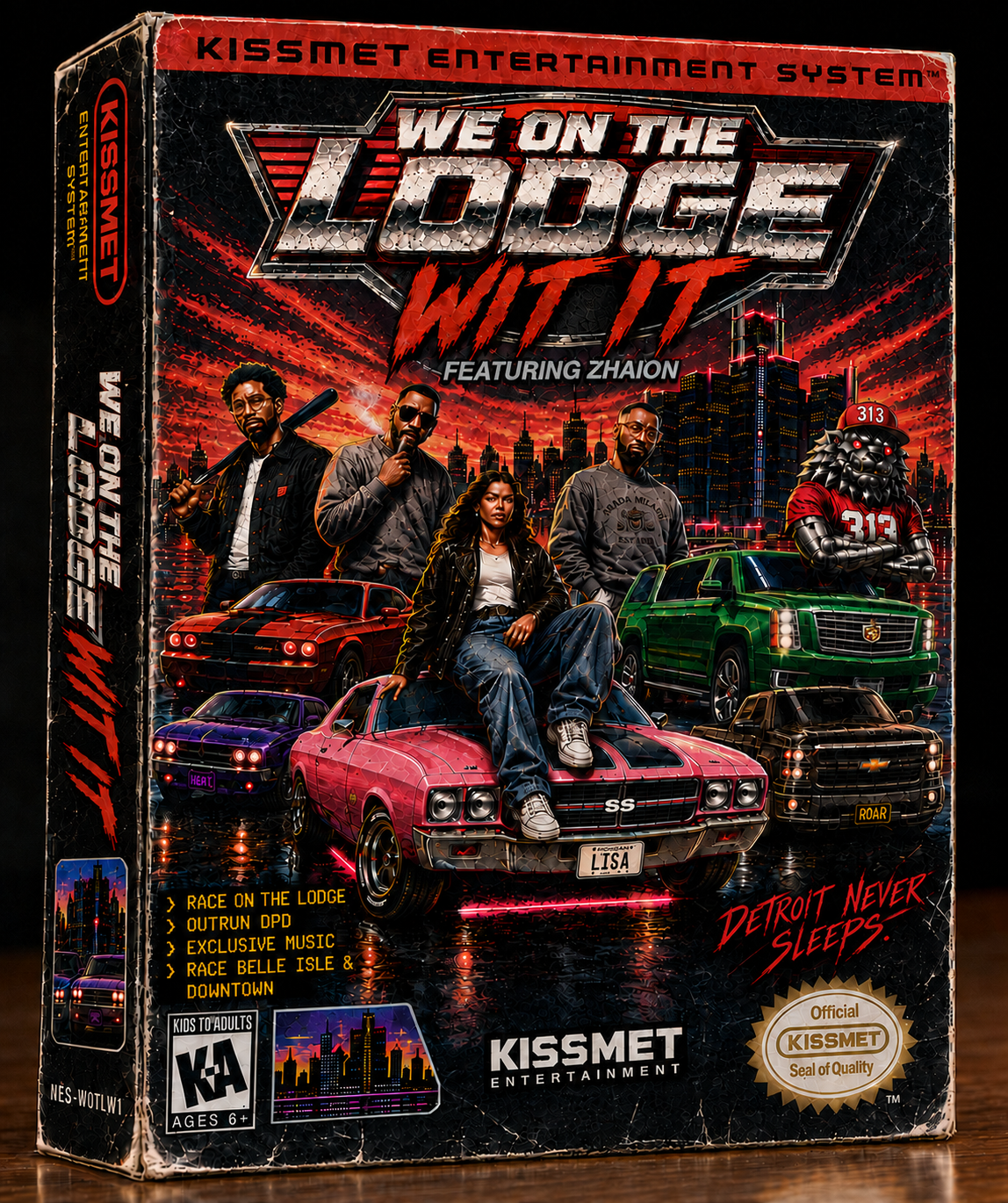
Real Detroit businesses are on the driver-select screen and the in-game billboards, and not one of them paid a dollar. I could have sold that space.
Giving it away was the point – the record is called NO CLEARANCE because there was nothing to clear, and it seemed right that the advertising had nothing to clear either.
What it got us: the album peaked at #9 on the iTunes R&B/Soul albums chart globally, and charted at #12 globally and #12 in the United States. Separately, on the iTunes store's own R&B/Soul list it landed between Lionel Richie and Prince, with Stevie Wonder and Otis Redding a few rows above.
The first album, BANNED, peaked at #5. That chart is purchase-driven, so those positions are people buying it, not a playlist. Fox 2 Detroit ran a segment. WNUC and WHFR added the record. It won Best AI Storytelling Project at the GAIMA 2026 awards.
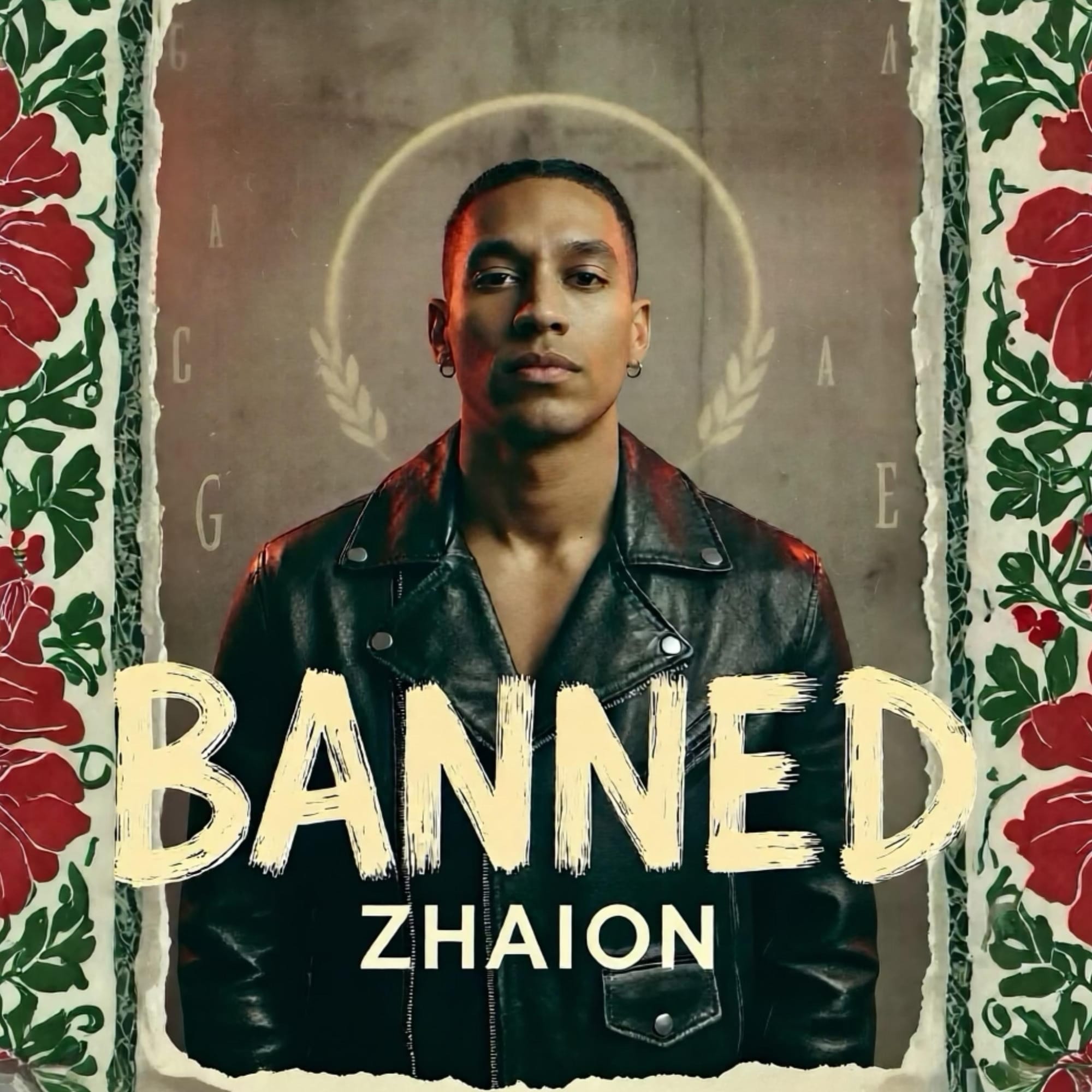
No label, no advance, no marketing budget, no paid placement, no playlist pitching. One songwriter in Detroit, giving away the promotion.
Discover NO CLEARANCE:
For Edmund, Zhaion has become a way to explore ideas and emotions he might have held back under his own name.
His account of writing Still offers a personal starting point for listeners, while his plans for live musicians and a human duet partner suggest there is plenty more he wants to try.
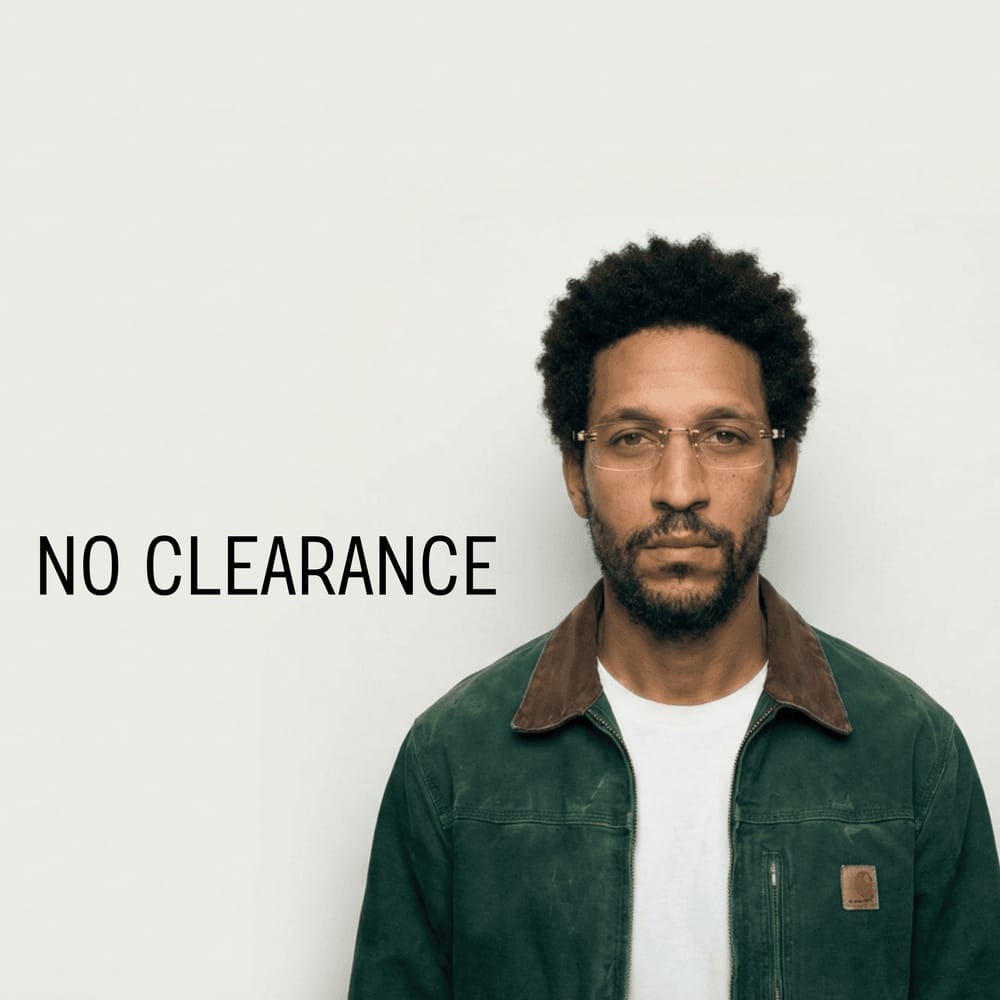
Give NO CLEARANCE a listen on Spotify
Start with Still to hear the song he discusses so openly here, then explore the rest of the album and the character he is building through it.
For a look at the visual side of the project:
You can also step into its Detroit setting through We On The Lodge Wit It, the free browser game that plays the album as you drive.
Follow Zhaion
Find more music, films, credits, merchandise and physical releases at zhaion.com, and explore the catalog on Amazon Music.
Follow Zhaion on Instagram, TikTok and YouTube for videos and updates, with the linked AI disclosure certificate available for readers interested in the production details.
Image credit: Courtesy of Kissmet Music Group/Zhaion/Edmund Gray