Women in Formula 1 Broadcasting: The Female Presenters, Reporters and Experts Shaping F1 in 2026
Meet the female F1 presenters, reporters and analysts shaping Formula 1 coverage across Sky Sports F1, F1 TV and Channel 4 in 2026.


Formula 1 is no longer only shaped by the drivers on the grid. The way millions of viewers understand the sport is also shaped by the presenters, reporters, analysts and former racers guiding them through every race weekend.
For many years, Formula 1 broadcasting was dominated by male voices. That has changed significantly. Across Sky Sports F1, F1 TV and Channel 4, women are now central to how the sport is presented, explained and analysed.
Some come from journalism. Some come from racing. Others come from strategy rooms inside Formula 1 teams. Together, they have helped make modern F1 coverage broader, sharper and more accessible
From Natalie Pinkham’s long-standing role with Sky Sports to Bernie Collins and Ruth Buscombe bringing race strategy into living rooms, female broadcasters are now an essential part of Formula 1 television.
Here are some of the women helping shape Formula 1 coverage in 2026.
Natalie Pinkham: One Of Sky Sports F1’s Most Recognisable Presenters
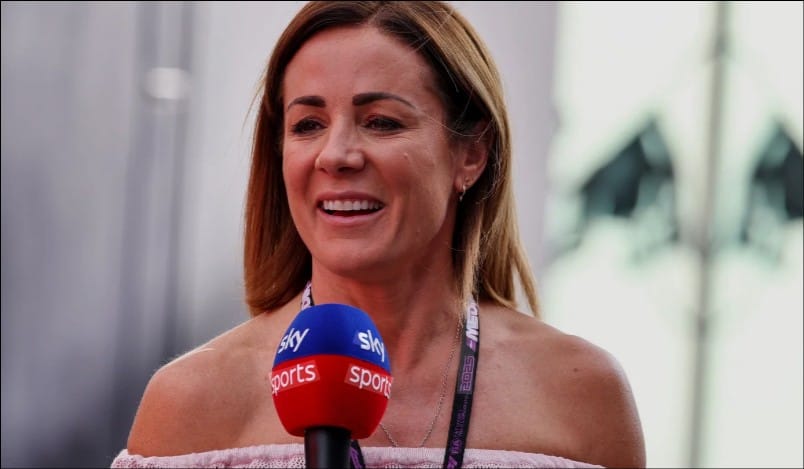
Natalie Pinkham has become one of the most familiar faces in British Formula 1 coverage.
She joined Sky Sports F1 when the channel launched its dedicated coverage in 2012 and quickly became a trusted presence in the paddock. After starting as a pit lane reporter, she moved into broader presenting duties and became a regular host across race weekends and feature programming.
Pinkham’s strength has always been her ability to combine access with warmth. She can handle serious interviews with drivers and team principals, but she also brings a relaxed presenting style that helps make Formula 1 feel less intimidating for newer viewers.
Her career also includes an important broadcasting milestone. In 2021, Pinkham became the first woman to commentate on a Formula 1 session on British television when she led Sky Sports F1’s coverage of first practice at the Bahrain Grand Prix.
That moment mattered because it showed how far F1 broadcasting had moved from the old assumption that commentary boxes and technical roles belonged almost exclusively to men.
Naomi Schiff: The Former Racer Bringing Driver Insight To Sky
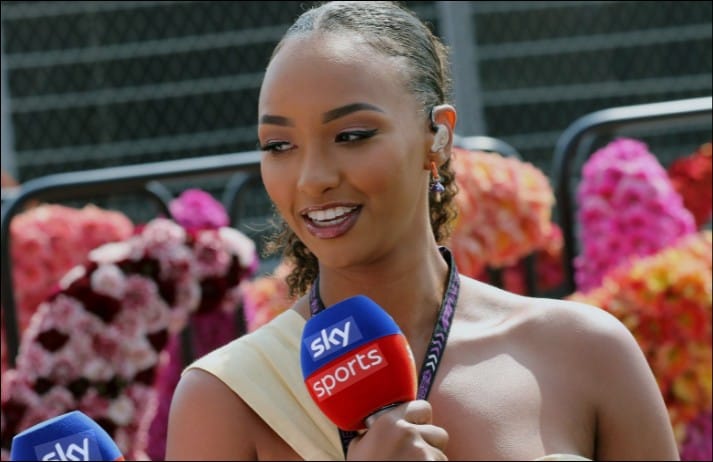
Naomi Schiff has become one of the most prominent female voices on Sky Sports F1.
A former racing driver, Schiff brings lived experience to her analysis. That gives her a different perspective from presenters who have only covered the sport from the media side.
Her role is especially valuable when discussing driver pressure, racecraft, overtaking decisions and the mental demands of competing at a high level. She understands what it takes to prepare for a race weekend because she has done it herself.
Schiff joined the Sky Sports F1 team in 2022 and has since become a regular part of the broadcaster’s coverage. Her presence has also helped widen the conversation around diversity and representation in motorsport.
For younger viewers, particularly girls and women interested in racing, Schiff is a visible reminder that Formula 1 coverage is changing.
Bernie Collins: The Strategy Expert Who Made Tactics Accessible
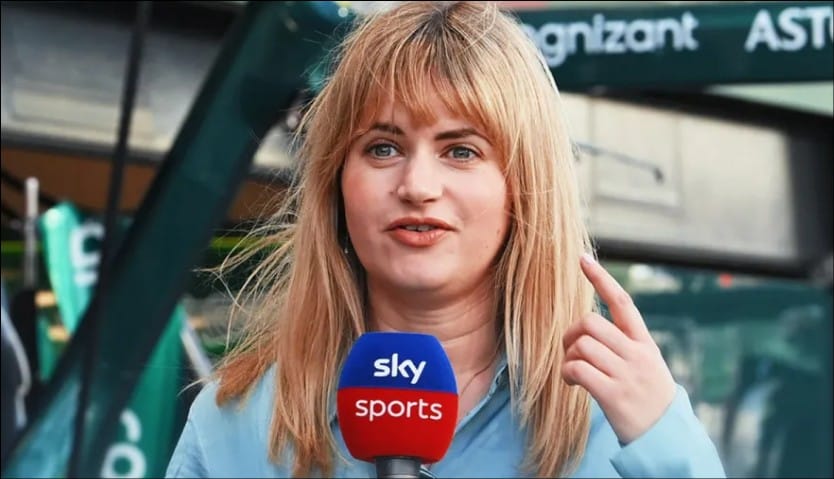
Bernie Collins has become one of Sky Sports F1’s most valuable analysts.
Before moving into broadcasting, Collins worked inside Formula 1 teams including McLaren, Force India, Racing Point and Aston Martin. She later became Head of Race Strategy, a role that placed her at the centre of key tactical decisions during race weekends.
That background gives her analysis real authority. Formula 1 strategy can be difficult for casual viewers to follow. Tyre degradation, pit windows, undercuts, safety cars and virtual safety cars can all decide a race before many fans fully understand what has happened.
Collins has helped change that. Her strength is explaining complex strategy in plain language without making it feel basic. She shows viewers why teams make certain calls and how those decisions can win or lose a Grand Prix.
In a sport where the most important battles are not always visible on camera, Collins has become one of the best guides to what is really happening.
Jamie Chadwick: A Modern Racing Voice On Screen
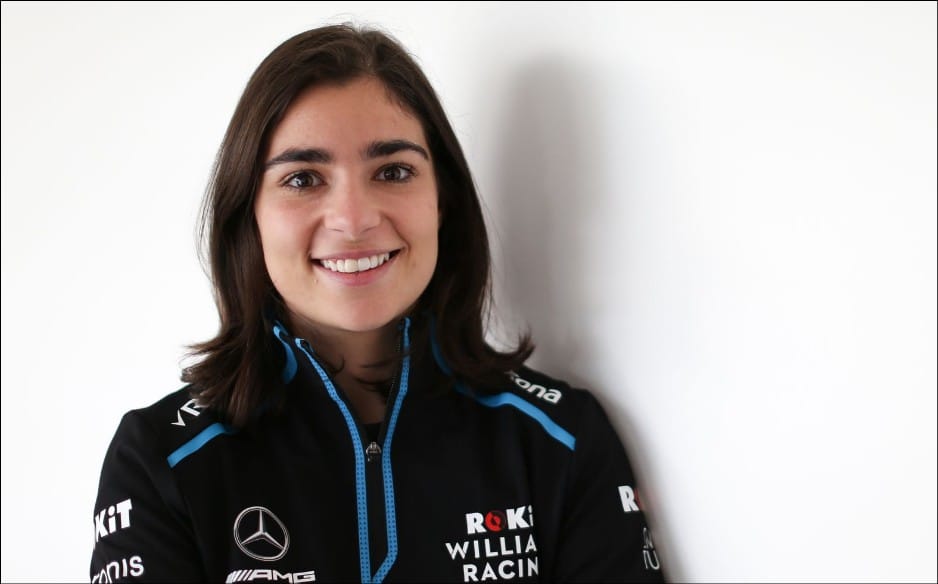
Jamie Chadwick brings the perspective of a current racing professional to Formula 1 coverage.
The British driver is one of the most successful female racers of her generation, best known for winning three consecutive W Series championships. Her racing background gives her a strong understanding of driver development, performance pressure and the pathway through junior categories.
That makes her a valuable addition to Sky’s expert line-up. Chadwick can speak about racecraft and competition from direct experience, but she also represents something bigger within the sport. Her success has helped inspire more conversations about how motorsport can create better opportunities for female drivers.
As a broadcaster, she bridges two worlds: active competition and television analysis.
Rachel Brookes: A Major Sky F1 Figure Who Has Now Moved On
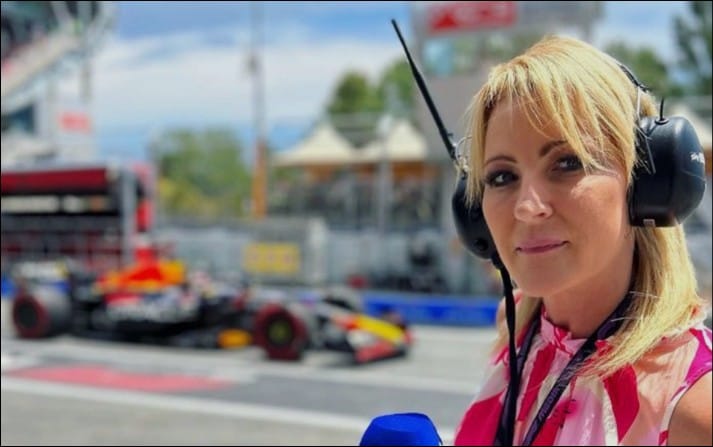
Rachel Brookes was one of Sky Sports F1’s best-known reporters for more than a decade.
She was listed in Sky’s confirmed 2026 broadcast team when the broadcaster announced its line-up in March, but later confirmed in June that she had left the Sky F1 team.
Her departure is important to note because many earlier 2026 line-up articles still include her as part of Sky’s coverage.
Brookes joined Sky before becoming an integral part of its Formula 1 output from 2012. Over the years, she became known for paddock reporting, driver interviews and breaking news coverage.
Although she has left Sky, she has said Formula 1 remains close to her heart and that she expects to stay involved in the sport.
Laura Winter: Leading F1 TV’s Expanding Coverage
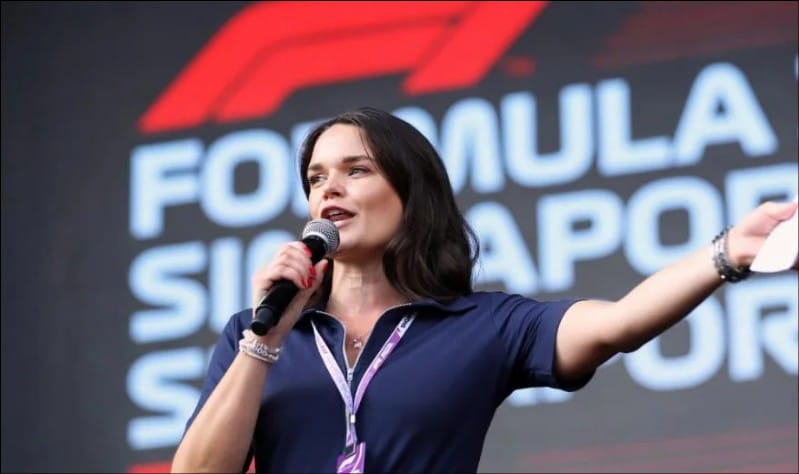
Laura Winter is one of the leading presenters on F1 TV, Formula 1’s official streaming platform.
F1 TV has become increasingly important as the sport expands globally and reaches audiences who want more detailed coverage than traditional highlights packages can provide.
Winter has helped give the platform a polished, professional identity. She anchors coverage, leads interviews and guides viewers through sessions with a calm and assured presenting style.
Her role is especially significant because F1 TV is not just a side product. It is part of Formula 1’s direct relationship with its audience.
As more viewers watch through streaming platforms, presenters such as Winter are becoming increasingly influential in shaping how the sport is experienced.
Betty Glover: A New Face In The F1 TV Team
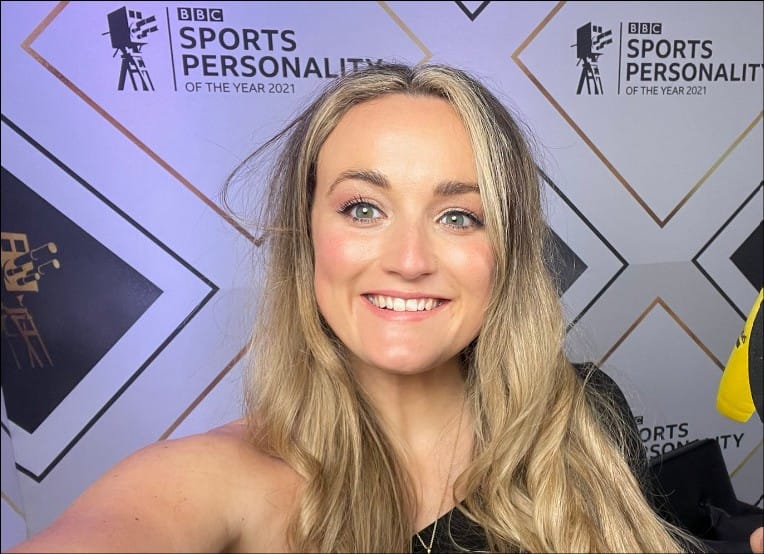
Betty Glover joined the F1 TV presenting team for the 2026 season, becoming one of the newest faces on the platform’s coverage.
Her arrival reflects F1 TV’s continued investment in expanding its broadcast offering for a growing global audience.
As Formula 1 continues to attract new viewers, fresh presenters are increasingly important to the way the sport communicates with fans across different platforms.
Glover’s role, as an experienced sports broadcaster, adds to a broader F1 TV line-up that combines presenting, reporting, technical analysis and race weekend storytelling.
Rosanna Tennant: A Familiar Formula 1 Broadcaster
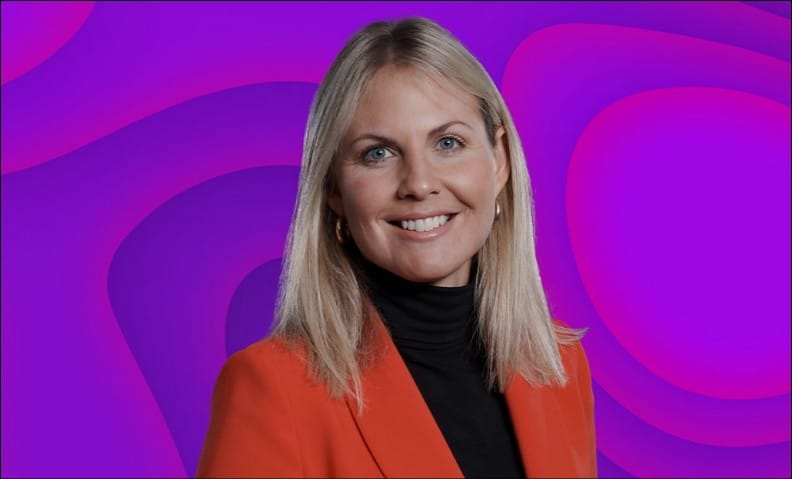
Rosanna Tennant has built a reputation as one of Formula 1’s most recognisable broadcasters.
Through presenting, reporting and commentary work, she has become a familiar voice for viewers following the sport across multiple platforms.
Her versatility makes her valuable in a fast-moving sport where broadcasters need to shift quickly between live updates, interviews and analysis.
That kind of coverage matters because Formula 1 is no longer only about the winner. Viewers now follow team battles, junior drivers, strategy calls, penalties, politics and long-term career moves.
Ruth Buscombe: Strategy Insight From Inside Formula 1
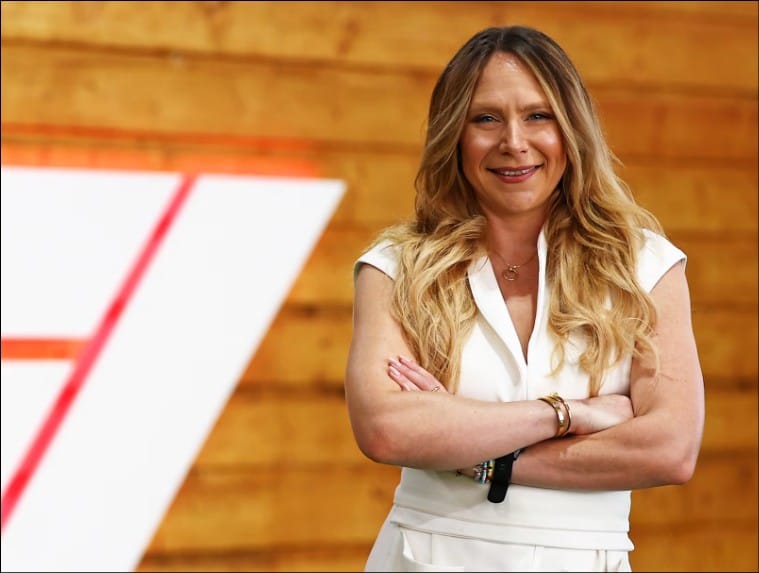
Ruth Buscombe brings serious technical credibility to F1 TV.
Before joining broadcasting, she worked in Formula 1 strategy roles with Ferrari, Haas and Sauber. She remained with the Swiss-based team throughout its Alfa Romeo era before leaving at the end of the 2023 season.
That experience makes her one of the most interesting analysts in Formula 1 media. Like Bernie Collins, Buscombe helps viewers understand the decision-making that happens behind the pit wall. Her insight is especially useful when races are shaped by timing rather than pure speed.
When a team chooses to pit early, stay out longer, split strategies between drivers or react to a safety car, Buscombe can explain the thinking behind those calls.
That turns strategy from something confusing into one of the most interesting parts of the sport.
Alice Powell: Racing Knowledge Across F1 TV And Channel 4
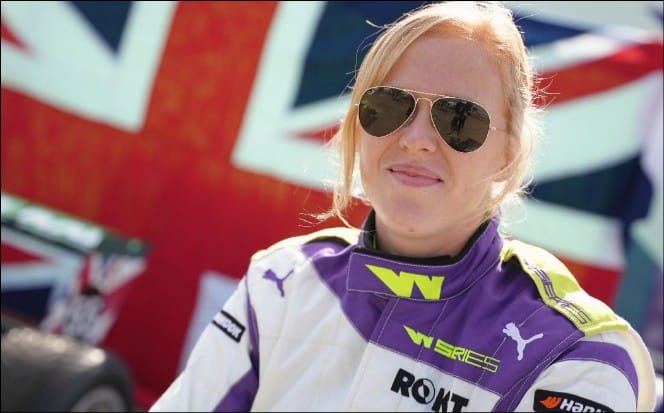
Alice Powell brings racing experience and broadcasting skill to both F1 TV and Channel 4 coverage.
Powell has built an impressive career as a driver and became the first woman to win a Formula Renault championship. She also competed in W Series and has continued to work within driver development and mentoring.
Her analysis benefits from that racing background. Powell understands how drivers approach corners, manage tyres, defend positions and handle pressure during key moments. That allows her to explain details that casual viewers may miss during a race.
Her presence across more than one broadcaster also shows how respected she has become as a motorsport voice.
Ariana Bravo: Connecting Formula 1 With Its Growing Audience
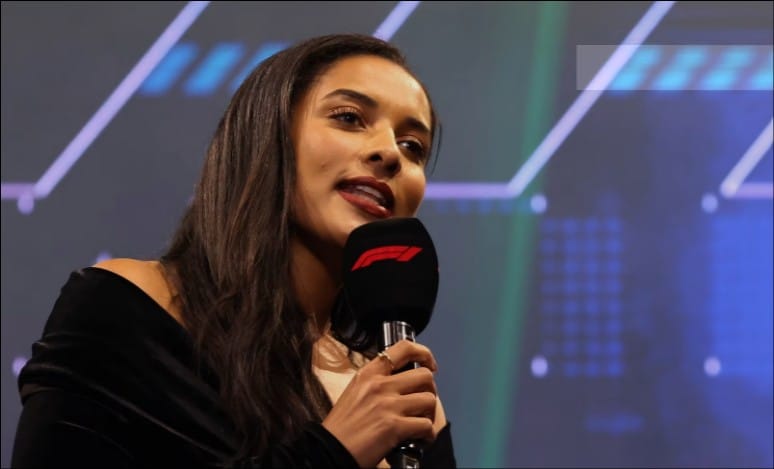
Ariana Bravo has become a visible part of Formula 1 coverage through F1 TV and Channel 4.
Her work often focuses on fan engagement, features and presenting from around race weekends. That role is increasingly important because Formula 1 has changed dramatically as an entertainment product.
Modern viewers do not only want race results. They want behind-the-scenes access, personality, context and a closer connection to the paddock.
Bravo helps provide that bridge between the sport and its audience. As Formula 1 continues to attract younger viewers, presenters who can connect with audiences in a natural and accessible way are becoming more important.
Lee McKenzie: One Of British Motorsport’s Most Respected Journalists
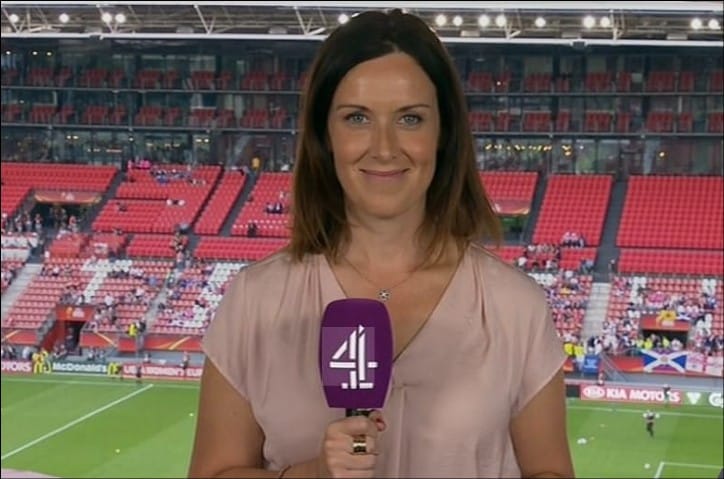
Lee McKenzie remains one of the most respected broadcasters in British motorsport.
After covering Formula 1 for the BBC, she joined Channel 4’s team when the broadcaster took on F1 coverage in 2016.
McKenzie has built her reputation through professionalism, strong interviews and years of experience across major sporting events. Her wider broadcasting career includes work on the Olympic Games, rugby and athletics, but Formula 1 remains one of the areas where she is best known.
Her strength is journalistic authority. She asks clear questions, understands the paddock and brings credibility to Channel 4’s highlights coverage.
In a sport full of noise, rumour and rapid reaction, that kind of experience matters.
Why Female Broadcasters Matter In Formula 1
The rise of women in Formula 1 broadcasting is not just about visibility. It has improved the coverage itself.
Natalie Pinkham brings years of paddock experience.
Naomi Schiff and Alice Powell bring racing knowledge.
Bernie Collins and Ruth Buscombe bring strategy expertise from inside Formula 1 teams.
Laura Winter, Betty Glover, Rosanna Tennant, Ariana Bravo and Lee McKenzie bring presenting, reporting and storytelling skills.
Together, they offer a wider range of voices and experiences than Formula 1 coverage had in the past.
That matters because Formula 1 is a complicated sport. It needs more than one type of expert. It needs journalists, engineers, racers, strategists and presenters who can explain different parts of the same story.
Formula 1 Coverage Is Still Evolving
Formula 1 has made progress, but there is still work to do.
Female broadcasters are far more visible than they once were, but women remain underrepresented in many areas of motorsport, including driving roles, senior team leadership and some technical departments.
Broadcasting does not solve every problem in the sport, but it does influence who feels welcome in the audience and who imagines a future career in Formula 1.
A young viewer watching Bernie Collins explain race strategy, Naomi Schiff analyse driving standards or Jamie Chadwick discuss racecraft sees something powerful: women are not guests in Formula 1 coverage. They are experts.
The Future Of Women In F1 Broadcasting
The next major step for Formula 1 broadcasting may not simply be more female presenters. It may be more women in the most influential roles: lead commentary, race strategy analysis, technical breakdowns and senior editorial positions.
The foundations are already there. Sky Sports F1 has built a team where women are central to presenting and analysis. F1 TV has expanded its coverage with female presenters and experts across its global platform. Channel 4 continues to feature experienced women within its highlights team.
That progress is important because Formula 1’s audience is changing. More women are watching. More young viewers are watching. More people are following the sport through streaming, social platforms and behind-the-scenes content.
The broadcasters who understand that shift will be the ones who shape the next era of Formula 1 coverage.
For now, the women leading, reporting and analysing F1 are already changing the way the sport is seen.
Sources - Information in this article was compiled using publicly available broadcaster announcements, presenter biographies and motorsport industry reporting from Sky Sports F1, Formula 1 and F1 TV, Motorsport.com, RacingNews365, Autosport, GPFans and Chartwell Speakers. All details were accurate at the time of publication.
Copyright notice: Soapland TV is an independent entertainment website. All programme names, images, characters and related materials remain the property of their respective owners. No copyright infringement is intended.