Why Océane Terrettaz wants emotion to come before the AI
AI creator Océane Terrettaz explains the thinking behind her cinematic storytelling and why emotion and human connection remain central to her work.

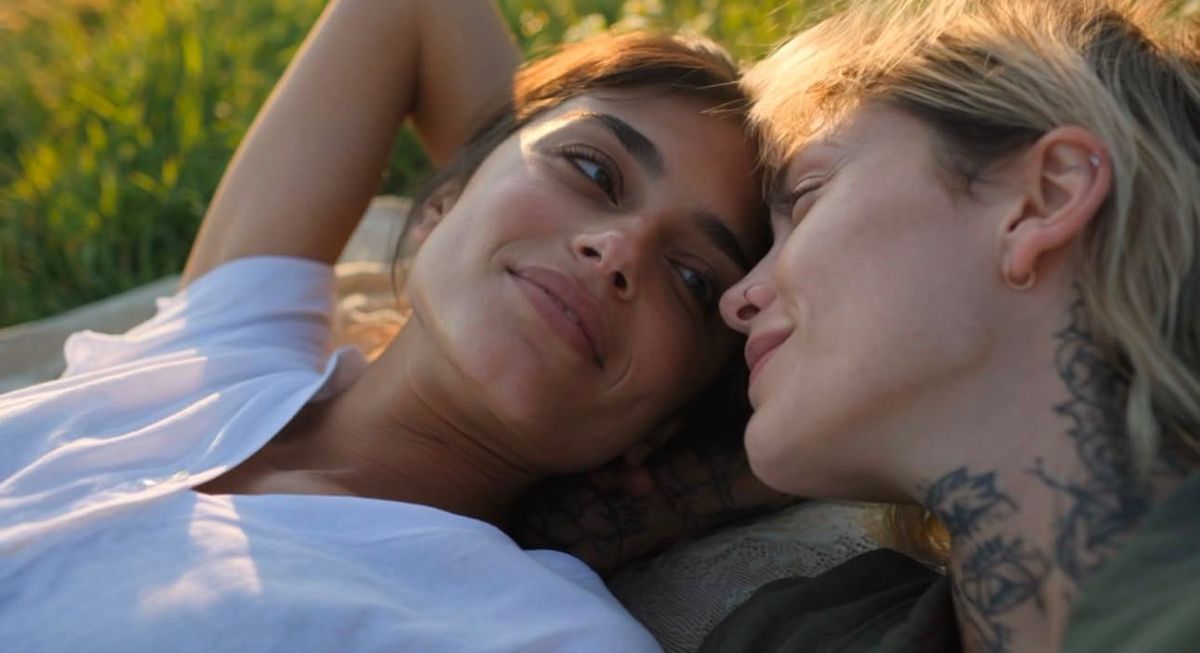
AI can create striking images, cinematic scenes and increasingly realistic characters, but Océane Terrettaz does not want the technology itself to become the entire point of her work.
For the creator behind @oceane.ai.futur, the starting point is much more personal. She wants to find an idea that creates an emotional response first, then use AI as part of the process of turning that idea into a visual story.
That approach has helped Océane build an Instagram audience of more than 20,000 followers, with her work moving between love, relationships, loneliness, compassion and wider experiences that people may recognise from their own lives.
Her Instagram bio captures the idea in just a few words: “IA + émotions = magie.” It is a simple description, but it also says a lot about where she sees AI fitting into the creative process.
“What matters to me is finding a subject that makes me feel something and then turning it into a story that can hopefully make other people feel something too.”
That means the technology is being used in service of the story rather than the other way around. A visually impressive sequence may attract attention, but Océane is particularly interested in whether there is something underneath those images that gives viewers a reason to care about the characters.
Her film about loneliness is perhaps the clearest example. Rather than building the story around spectacle, it follows a woman through familiar situations such as going to the cinema alone and sitting in a restaurant while observing the relationships around her.
The story eventually introduces the possibility of connection through another woman and a simple exchanged look. It is deliberately understated, allowing the emotion of the situation to carry the film rather than relying on a dramatic event.
Océane has explained that the project was particularly emotional because part of herself could be found within the story. That personal element illustrates something that can easily be overlooked when discussing AI-created films: the technology may generate elements of what appears on screen, but it does not decide why a creator wanted to tell that particular story.
Her future ideas follow a similar pattern. Burnout, social media pressure, compassion and human connection are among the subjects she wants to explore, alongside continuing to create stories about love, relationships and animals.
It gives Océane plenty of room to experiment visually without losing the emotional identity that has already become central to her work.
As AI filmmaking continues to develop, creators will inevitably gain access to more powerful tools and increasingly sophisticated ways of building scenes. Océane’s approach suggests that the bigger creative challenge may remain exactly the same: giving audiences something worth feeling once the technology has done its part.
SoapLandTV’s Océane Terrettaz creator series continues with more features exploring the stories, ideas and creative choices behind her growing collection of AI films.
Follow Océane on Instagram at @oceane.ai.futur and on YouTube through OcéaneAI at @oceaneterrettaz9796.
Images: Courtesy of Océane Terrettaz.