Why Is Gay’s The Word Such an Important Part of British LGBTQ+ History?
Discover the remarkable history of Gay’s The Word, London’s iconic LGBTQ+ bookshop that survived police raids, censorship and threats of closure.

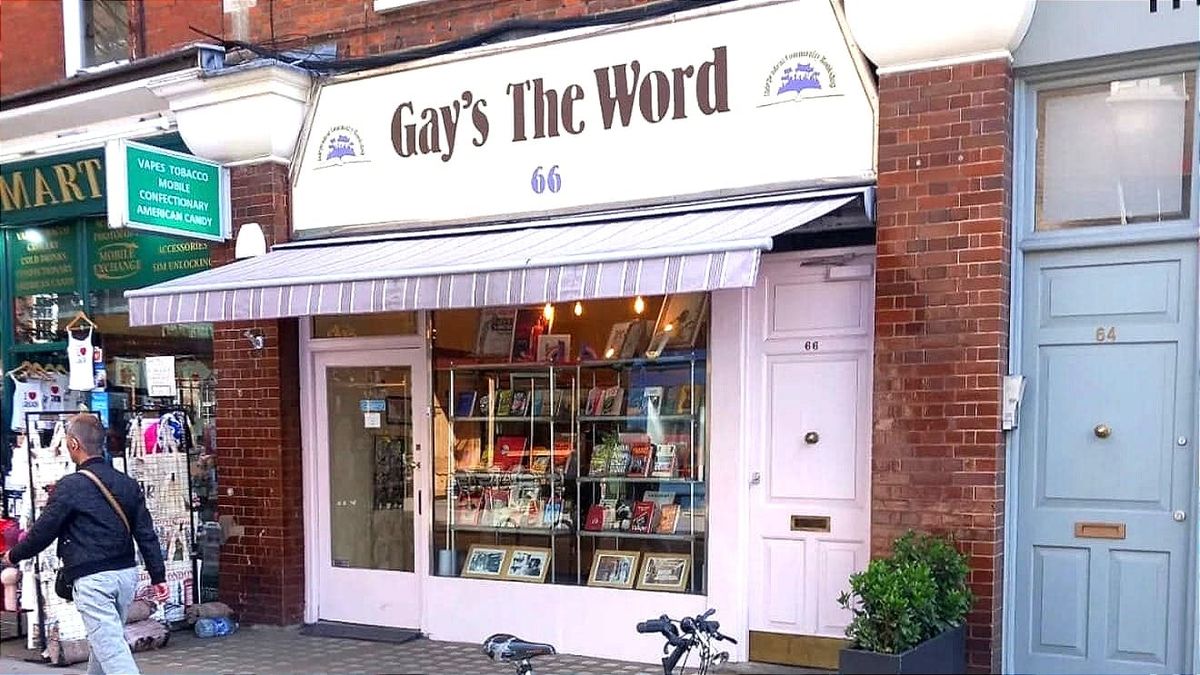
At first glance, Gay’s The Word looks like a charming independent bookshop tucked away on a London street. But behind its shelves lies almost half a century of LGBTQ+ activism, extraordinary friendships and battles against censorship.
Opened in January 1979 at 66 Marchmont Street in Bloomsbury, it is Britain’s oldest surviving LGBTQ+ bookshop and a place that has helped shape the country’s queer history.
From books to a British cultural landmark
Founded by members of the socialist Gay Icebreakers group, including Ernest Hole and Peter Dorey, the shop was established when finding LGBTQ+ literature was far from easy.
Before opening the premises, Ernest had been selling books at gay venues and events through a travelling collection and mail-order service. Much of the literature available at the time had to be imported from the United States because mainstream British publishers and booksellers offered relatively little LGBTQ+ material.
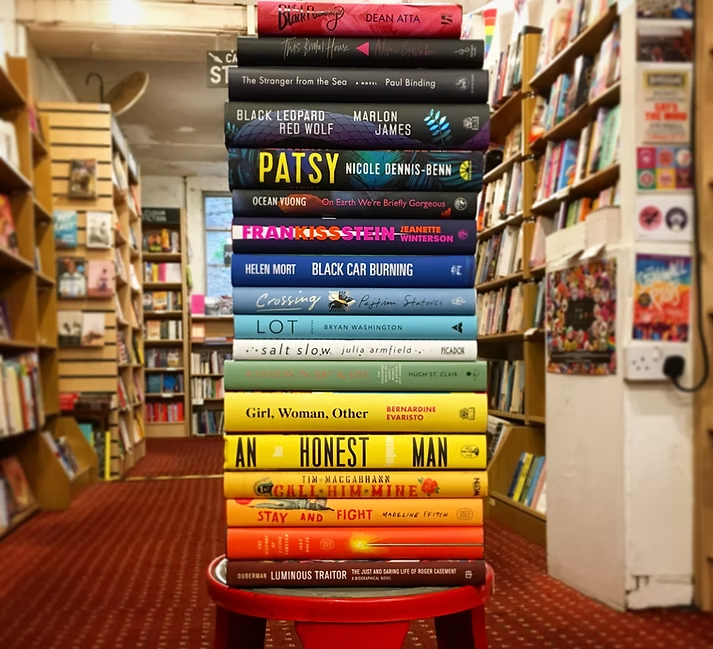
The original vision was never simply to sell books. The founders wanted to create a permanent community space, with profits reinvested into the business rather than distributed to shareholders.
Its shelves offered fiction, poetry, history and books exploring sexuality and identity, while the premises became a meeting place for community organisations.
Among those using the shop were the Gay Black Group, the Gay Men’s Disabled Group and the Lesbian Discussion Group. The bookshop even had a piano, with cabaret performer Mark Bunyan entertaining visitors during its early years.
In the summer of 1979, a Gay’s The Word banner was carried at the front of London's Gay Pride march, establishing the shop's connection with the wider movement only months after opening.
During the 1984–85 miners’ strike, the shop became headquarters for Lesbians and Gays Support the Miners, whose solidarity with mining communities in South Wales inspired the award-winning 2014 film Pride.
The group, co-founded by Mark Ashton and Mike Jackson, met regularly at the bookshop to organise fundraising and support for striking miners and their families. Collections were held outside the premises and in gay pubs and clubs throughout London.
Their biggest fundraising event, the Pits and Perverts concert at Camden's Electric Ballroom in December 1984, featured Bronski Beat and raised £5,650 in a single evening.
The relationship between the two communities became an extraordinary example of solidarity. In 1985, miners and their families travelled to London and joined LGBTQ+ campaigners at the Pride march, with a contingent from South Wales helping lead the procession.
The raid that sparked a national campaign
In April 1984, Customs and Excise officers raided the bookshop in an operation known as Operation Tiger, seizing more than 140 titles they alleged were indecent.
The raid began on 10 April, when officers ordered the shop to close and examined its shelves. Over the following months, approximately 2,000 books were confiscated, representing around a third of the shop's stock.
Among the seized publications were works by celebrated writers including Tennessee Williams, Gore Vidal and Christopher Isherwood. The authorities relied on legislation dating back to 1876, which restricted the importation of material considered indecent or obscene.
Nine directors were charged, sparking a major campaign involving writers, publishers, politicians and LGBTQ+ activists. The charges were eventually dropped in 1986, following a determined fight against censorship.
Supporters launched the Defend Gay’s The Word campaign, organising demonstrations, fundraising events and parliamentary pressure. The defence fund eventually raised more than £55,000, helping the bookshop challenge the prosecution.
The case had been expected to reach the Old Bailey, but the authorities ultimately withdrew the charges. Most of the confiscated books were returned, although 19 titles were sent back to their American supplier.
For LGBTQ+ campaigners, the outcome represented an important victory against censorship at a time when openly gay literature and community spaces remained under considerable pressure.
Surviving changing times
The shop survived another serious threat in 2007 when rising rents and competition from online retailers nearly forced its closure.
Another public campaign brought support from readers, writers and LGBTQ+ organisations determined to protect the Bloomsbury institution. The shop survived, but its struggles highlighted how vulnerable independent community businesses had become.
Over the years, Gay’s The Word has also faced vandalism, burglaries and homophobic attacks, including damage to its windows. The Covid-19 pandemic brought further disruption, temporarily closing its doors to visitors.
Despite these challenges, the shop has continued operating from the same Marchmont Street address where it first opened in 1979.
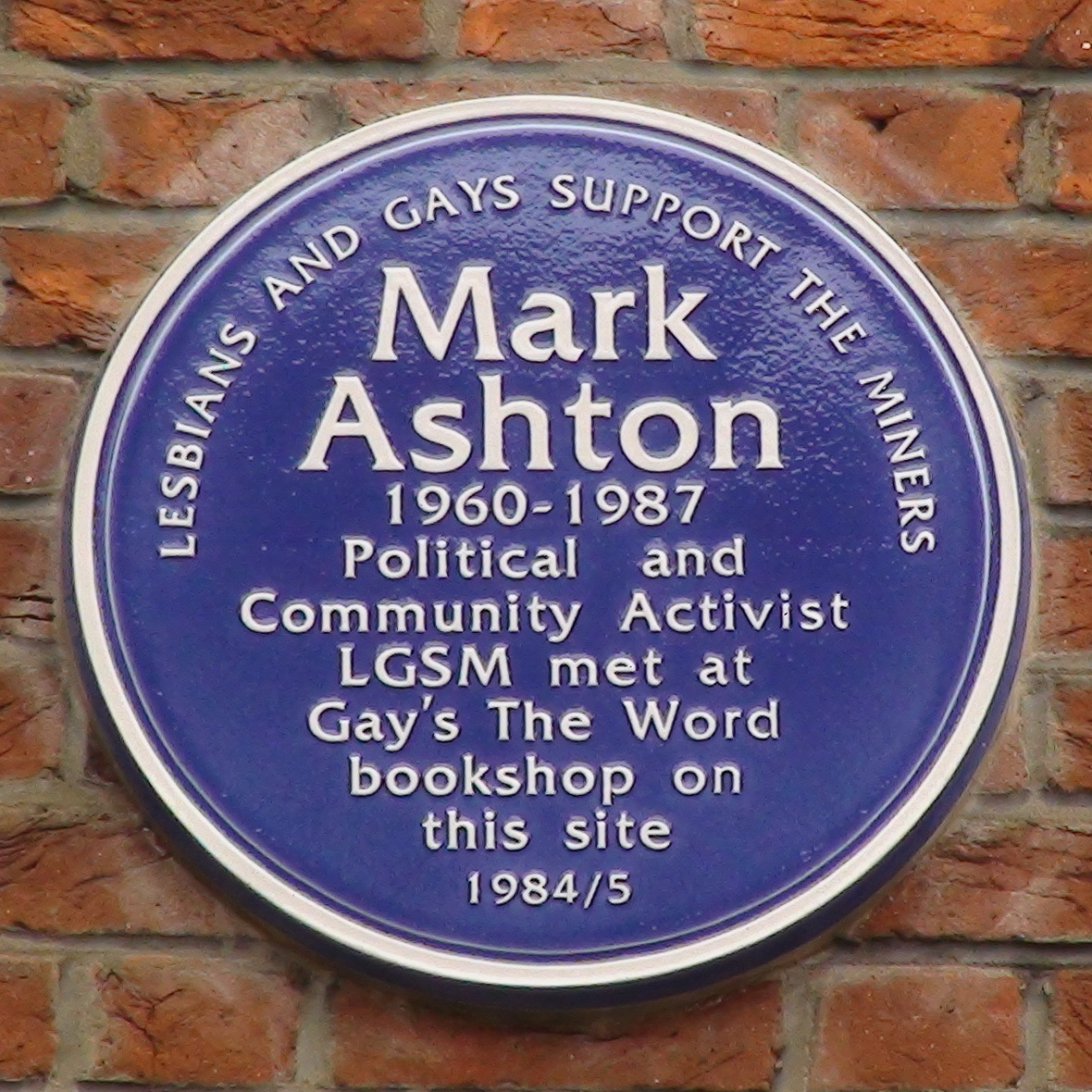
A plaque commemorating Mark Ashton, the LGBTQ+ activist and Lesbians and Gays Support the Miners co-founder who died in 1987, was unveiled at the bookshop in 2017. It provides another lasting connection between the building and the campaigners whose work helped shape Britain's LGBTQ+ movement.
More than a bookshop today
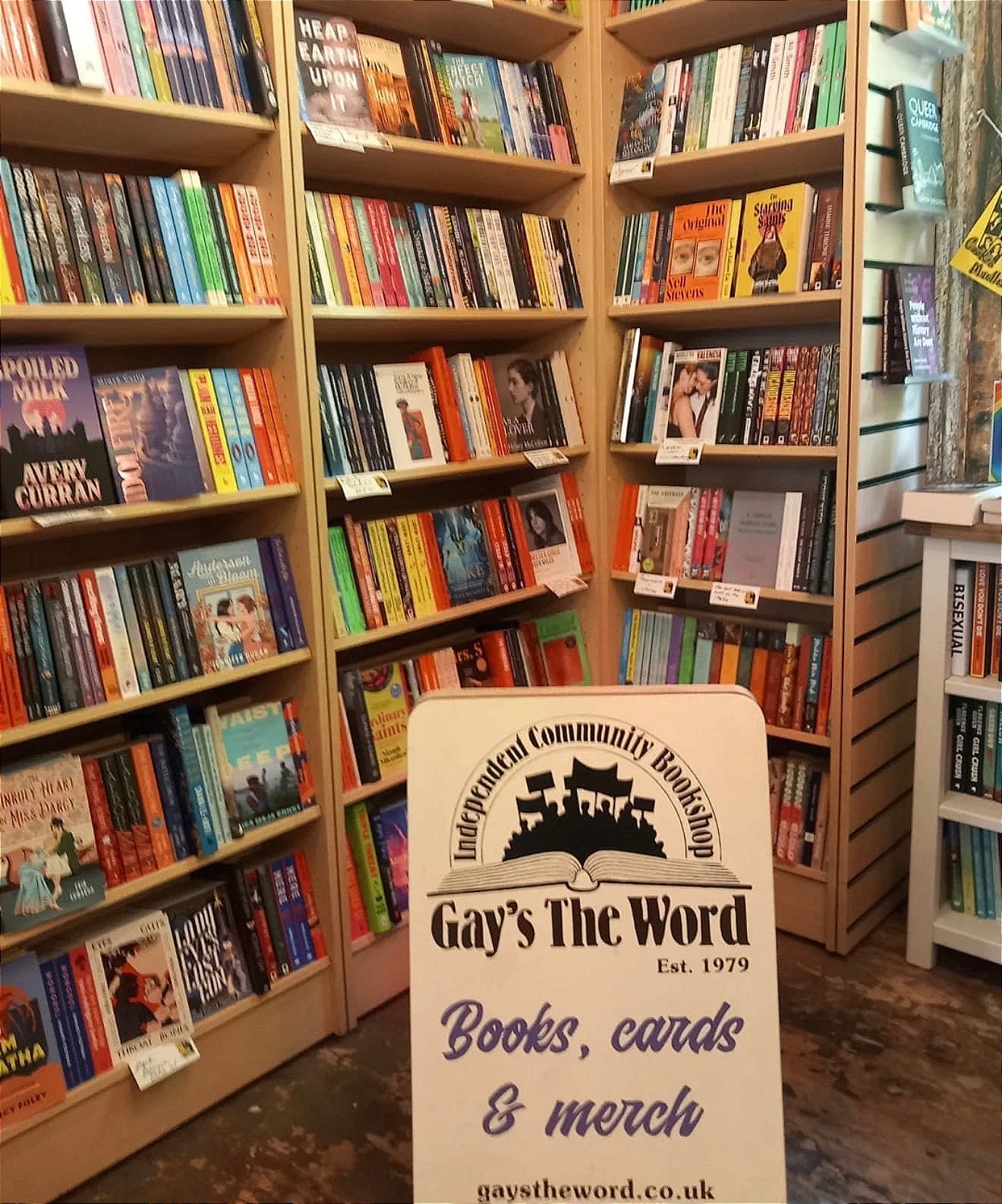
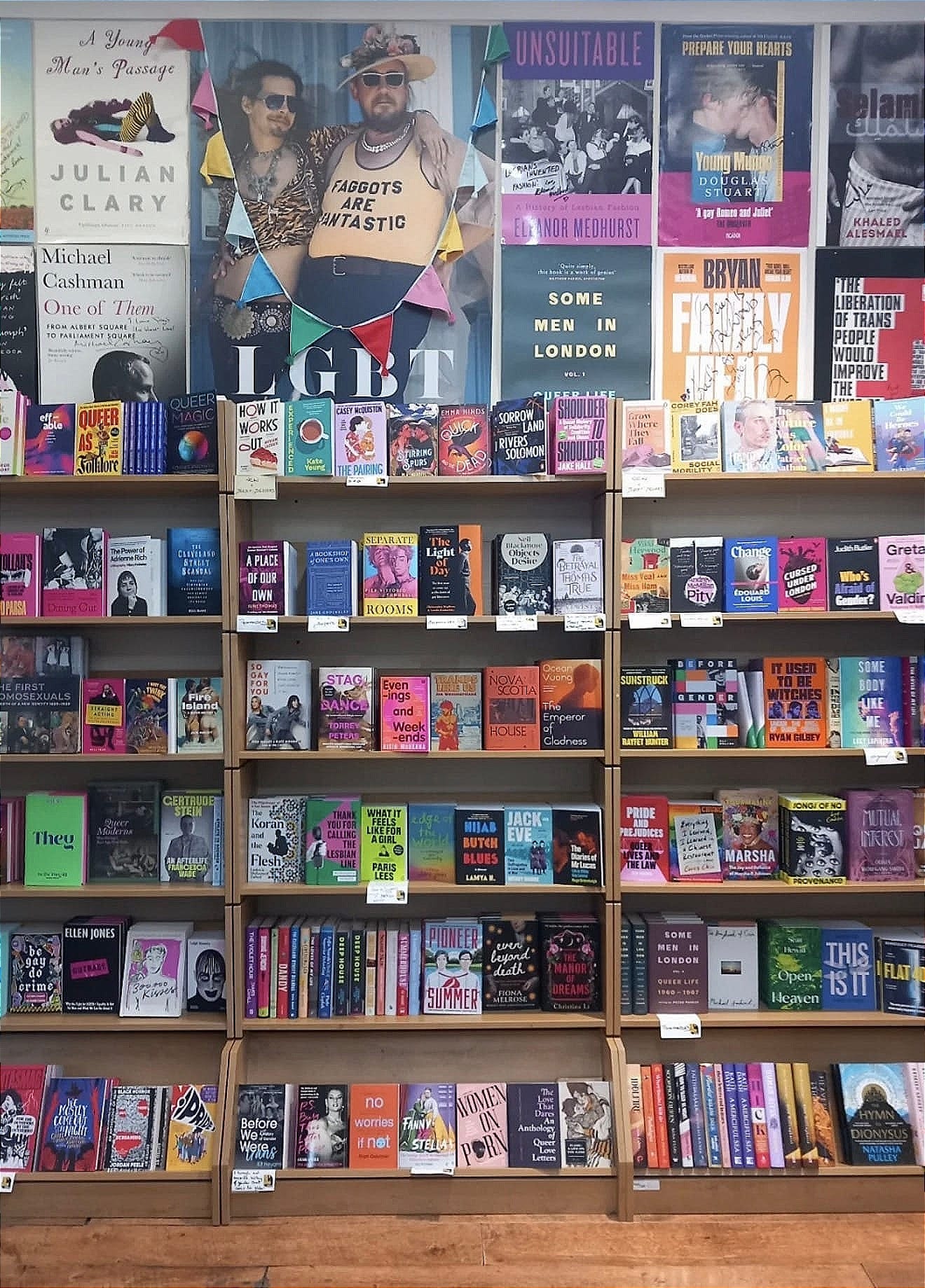
Today, Gay’s The Word continues to welcome readers, host community events and stock an extensive selection of LGBTQ+ literature.
Its collection includes contemporary novels, biographies, poetry, graphic novels, young adult fiction and books exploring LGBTQ+ history, politics and culture.
The community aspect remains just as important. The Lesbian Discussion Group, which has met through the bookshop for more than 40 years, continues to provide a space for conversations about relationships, politics, identity and everyday life.
Other groups associated with the shop include the Black Lesbian Discussion Group, reflecting the continued need for welcoming places where people can connect beyond pubs, bars and nightlife.
For younger LGBTQ+ readers, the shop also offers an opportunity to discover the literature and political history of earlier generations, including stories that were once difficult to find or openly discuss.
Visitors can find it at 66 Marchmont Street, London WC1N 1AB, or explore its collection through the official Gay’s The Word website.
Image credits: Gays the word - Instagram