What Is AI Hardware Made Of? The Chips and Minerals Behind AI Entertainment
What is AI hardware made from? We explain the chips, minerals and materials powering AI video, images, music and modern entertainment.

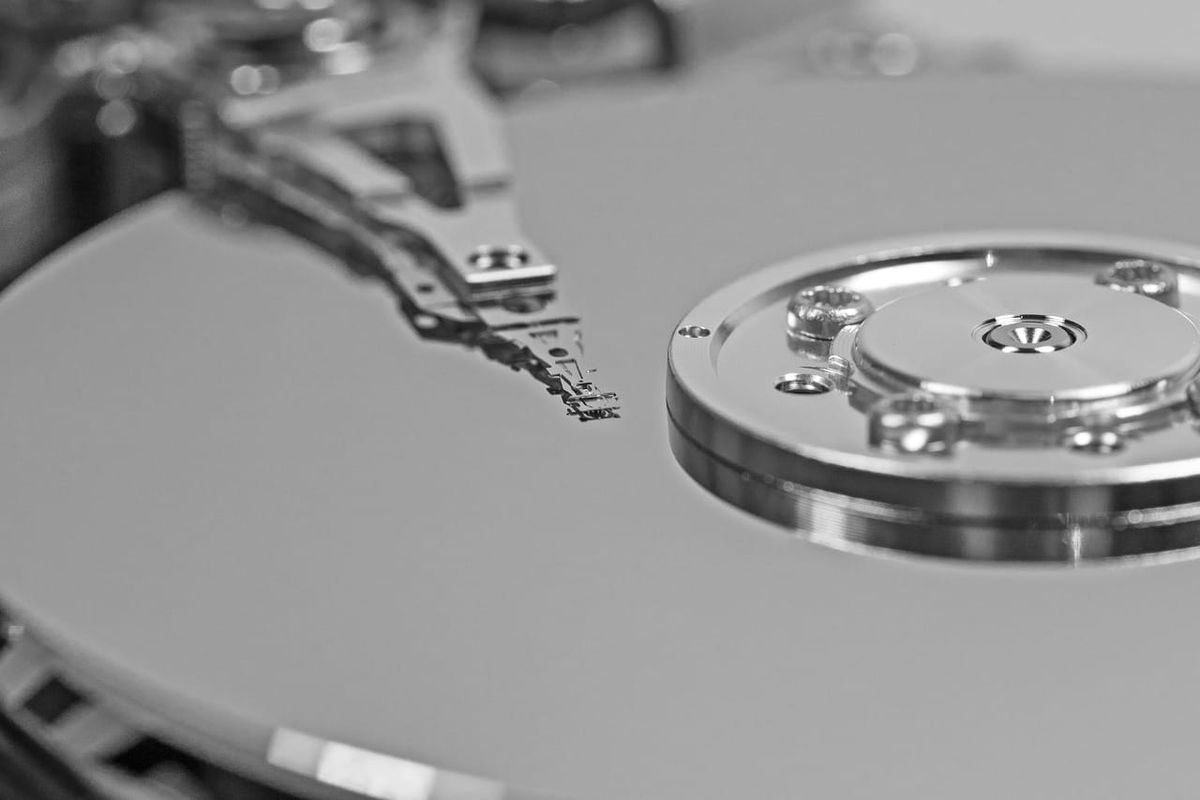
AI generated films, videos, images, voices and virtual characters can feel completely digital, but every one of them ultimately relies on physical machines. As artificial intelligence becomes more common across film, television, music and digital storytelling, the chips and servers powering those creative tools are becoming another part of the environmental story.
Behind the finished content are processors, circuit boards, cooling systems and global supply chains involving materials extracted and manufactured around the world. Understanding what goes into that hardware helps explain why AI’s environmental impact extends beyond electricity and water.
What is actually inside AI hardware?
Most artificial intelligence runs on servers, powerful computers designed to operate continuously inside data centres. They contain processors, memory, storage, circuit boards, power equipment and the connections needed to communicate with other machines.
Modern AI relies heavily on graphics processing units, known as GPUs. They were originally developed for graphics but are particularly useful for artificial intelligence because they can perform many calculations at the same time.
Other specialist AI processors are also used, while central processing units, known as CPUs, continue to handle many of the wider computing tasks needed to keep servers operating.
What is a semiconductor?
At the heart of these processors are semiconductors. These are materials whose electrical behaviour can be carefully controlled, allowing engineers to create the tiny electronic switches that make computer chips work.
Silicon remains the foundation of most modern computer chips, including many CPUs, GPUs and memory chips. Other materials are also used in specialist semiconductor technology, including compounds containing gallium that can offer advantages for areas such as power electronics and high speed communications.
Not every AI processor contains exactly the same materials. What matters is that the hardware behind artificial intelligence depends on a much wider physical supply chain than the finished digital content suggests.
What are critical minerals?
Critical minerals are materials considered important to the economy but vulnerable to disruption in their supply. The UK Government’s Critical Minerals Strategy includes materials used across technology, energy, transport and manufacturing.
They are not the same thing as rare earth elements. Rare earths are a specific group of 17 elements, while critical minerals are defined more broadly according to their economic importance and the risks surrounding their supply.
The UK list includes materials such as silicon, gallium, germanium, cobalt, tantalum and tungsten, while copper is identified separately as an important growth mineral. These materials are used across many industries, so it would be misleading to describe their total demand as being caused by artificial intelligence.
Why are these materials becoming more important?
Artificial intelligence is growing alongside electric vehicles, renewable energy, telecommunications and other technologies that also depend on sophisticated electronics. That means competition for some materials could increase even when AI is only one part of the overall demand.
The International Energy Agency, known as the IEA, said in its July 2026 Global Critical Minerals Outlook that growth in semiconductors, robotics and AI is increasing the strategic importance of materials including gallium and germanium. Supply can also be concentrated in a relatively small number of countries, making governments increasingly interested in where these materials come from.
This does not mean the world is about to run out of materials for AI hardware. It does mean that reliable supply chains are becoming more important as demand for advanced computing grows.
Where does the environmental impact come from?
The environmental footprint begins long before a processor reaches a data centre. Minerals have to be extracted, processed and refined before manufacturers can turn them into chips, circuit boards, cables and electrical equipment.
Mining and processing can require significant amounts of electricity and water and can affect land and ecosystems if poorly managed. Semiconductor manufacturing also involves energy, specialist chemicals and extremely clean water before the finished chips are ready to be installed inside servers.
The environmental impact continues when equipment is eventually replaced. Older servers and electronics can contribute to electronic waste unless components and materials are successfully reused or recycled.
What does this have to do with entertainment?
For someone creating an AI image or video, almost all of this infrastructure remains invisible. A creator can type an instruction into a laptop while the actual work takes place on processors inside a data centre somewhere else.
A studio generating thousands of animation frames or several versions of a visual effects shot may similarly never handle the hardware involved. Those requests still rely on processors, servers and data centre infrastructure built from physical materials.
That does not mean one AI production can be blamed for a particular amount of silicon, copper or gallium. Entertainment is one part of a much wider increase in demand for computing across business, science, technology and everyday digital services.
Can AI hardware become more sustainable?
Recycling is one possible way to reduce demand for newly extracted materials. The UK’s 2026 Critical Minerals Strategy aims for recycling to provide 20% of annual UK critical mineral demand by 2035.
Keeping servers in use for longer, improving repairability and designing equipment so valuable materials can be recovered could also help. More efficient processors may reduce the electricity needed for individual AI tasks, although rapidly growing demand could still mean more hardware is required overall.
The challenge is therefore not simply finding more materials. It is also about using existing resources more efficiently and recovering more of what has already been extracted.
The physical side of AI entertainment
Artificial intelligence can make creating entertainment look almost effortless, but there is a long physical chain behind what appears on screen. Minerals are extracted, chips are manufactured, servers are installed and data centres operate before an AI image, voice or video reaches its audience.
That does not make AI entertainment inherently unsustainable. It does show why understanding artificial intelligence means looking beyond the software and recognising the hardware and resources that make digital creation possible.
For more on how artificial intelligence is changing film, television, music and digital storytelling, explore SoapLandTV’s AI & Entertainment page.
Sources: UK Government Critical Minerals Strategy, 2026; UK semiconductor guidance; International Energy Agency Global Critical Minerals Outlook, July 2026.