Virginia Overturns 20-Year Same-Sex Marriage Ban
Virginia voters have approved constitutional protections for same-sex and interracial marriage, replacing a ban introduced 20 years ago.

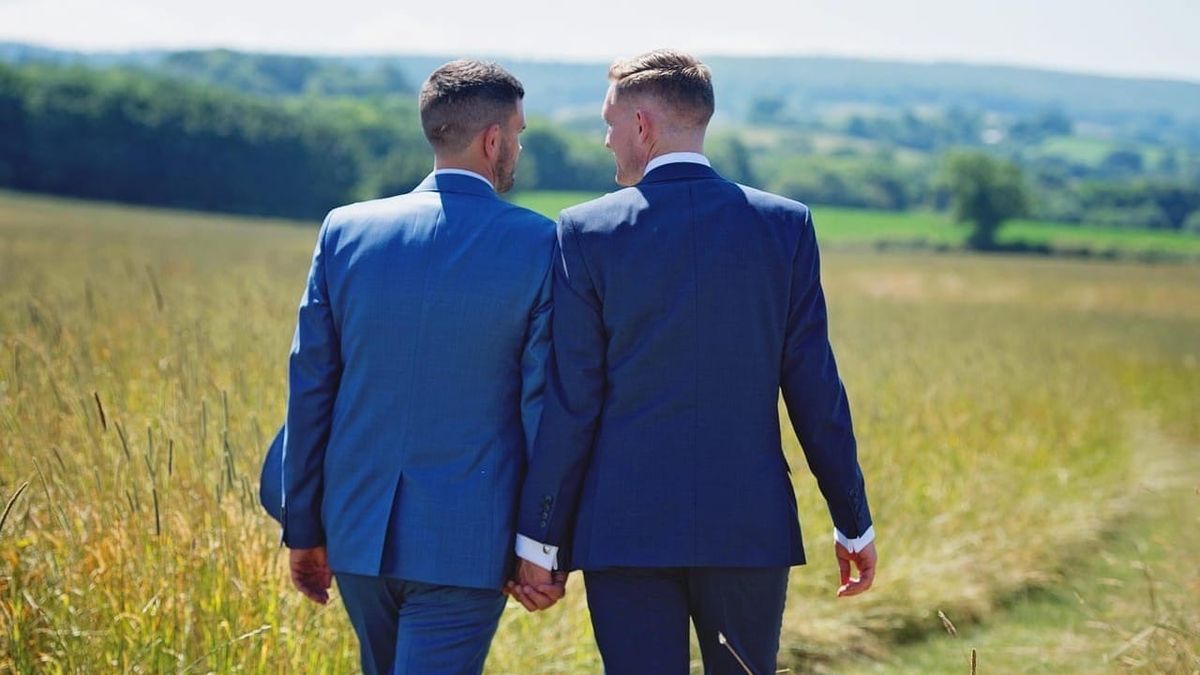
Virginia voters have overturned a 20-year-old constitutional ban on same-sex marriage, approving new protections for couples across the US state.
The decision came during the 3 November elections, with a clear majority supporting Question 2, a constitutional amendment protecting the freedom to marry.
The result also strengthens protections for interracial marriage, making the decision significant for equality beyond the LGBTQ+ community.
What Did Virginia Voters Approve?
Question 2 asked voters whether Virginia should remove constitutional language restricting marriage to one man and one woman.
The provision was introduced in 2006, when voters approved a ban on recognising same-sex marriages.
Although that ban had become unenforceable following a later Supreme Court ruling, its wording remained in Virginia’s constitution.
The latest vote replaces that language with protections for marriage regardless of sex, gender or race.
Preliminary results showed approximately 57.4% supporting the amendment and 42.6% voting against.
Why Is the Result Significant for LGBTQ+ Rights?
Same-sex marriage has been legal throughout the United States since the Supreme Court’s 2015 decision in Obergefell v Hodges.
However, that ruling did not automatically remove older marriage bans from state constitutions.
Virginia’s vote addresses that contradiction and provides additional state-level protection for same-sex couples.
Campaigners have sought stronger constitutional safeguards amid concerns about possible future challenges to federal marriage protections.
The result does not introduce same-sex marriage in Virginia for the first time, but it reinforces rights already recognised under federal law.
How Does the Vote Also Protect Interracial Marriage?
The amendment extends protections beyond same-sex couples by recognising marriage as a fundamental personal right regardless of race.
The issue has particular historical significance in Virginia because the landmark 1967 Supreme Court case Loving v Virginia originated in the state.
That ruling established that laws prohibiting interracial marriage violated the US Constitution.
By including protections relating to race, Virginia’s new amendment acknowledges both marriage equality and the state’s wider civil rights history.
What Happens After the Vote?
The election result must complete Virginia’s formal certification process before the amendment is finalised.
Once effective, the revised constitutional wording will replace the outdated 2006 restriction with an explicit protection for the freedom to marry.
For LGBTQ+ campaigners, the decision represents a significant reversal of the position voters adopted two decades earlier.
It also demonstrates how states can strengthen existing civil rights protections through constitutional amendments, even when those rights are already recognised nationally.