Tifanny Abreu considers legal action after Brazilian volleyball eligibility rule threatens her career
Tifanny Abreu considered legal action on 1 October after Brazilian volleyball eligibility rules threatened her place in the women’s Superliga.

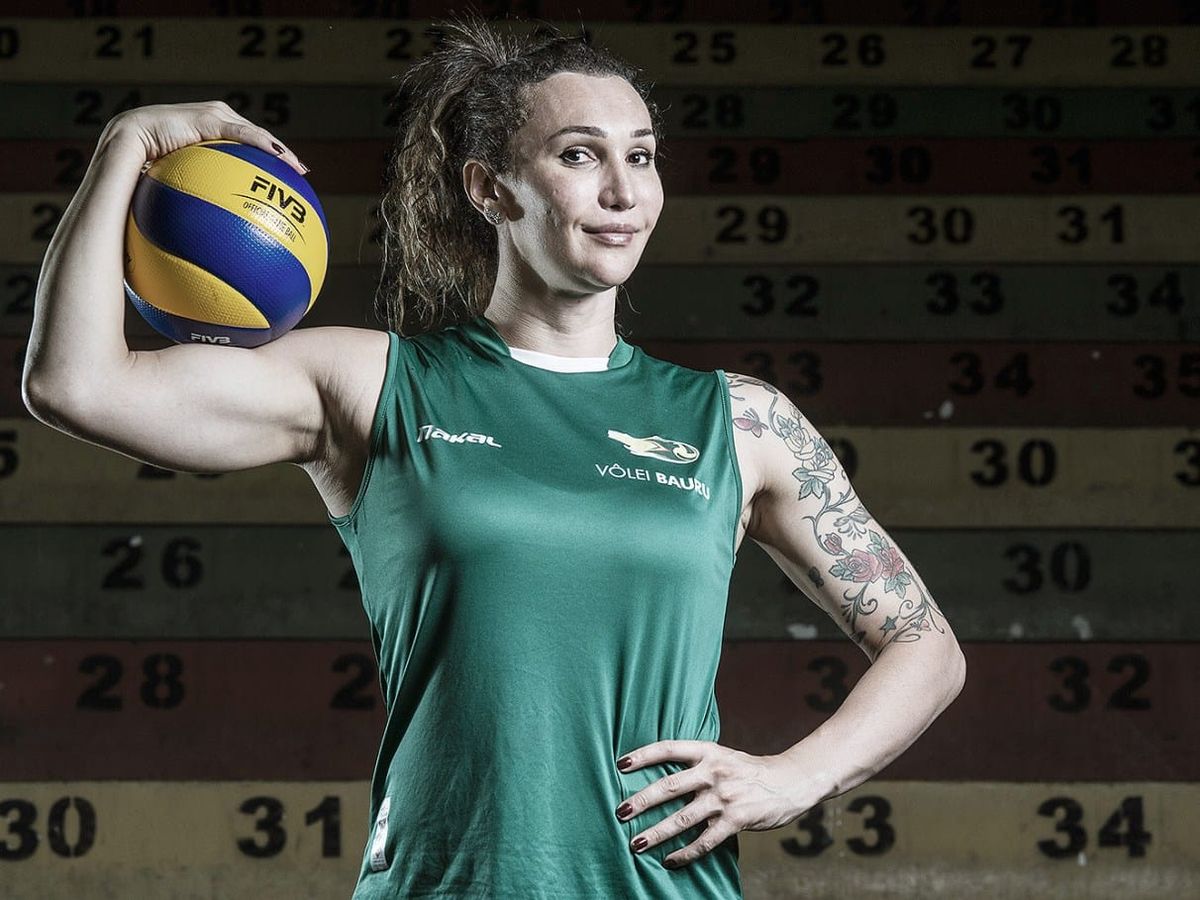
Brazilian volleyball star Tifanny Abreu is considering legal action after a new eligibility policy put her participation in women’s competitions in doubt, leaving the 41-year-old facing uncertainty ahead of the new Superliga season.
Abreu discussed the possibility of taking the matter to court on 1 October 2026, when she attended the launch of the 2026–27 Superliga in São Paulo as a representative of her club, Osasco. She became emotional while speaking about the situation and said she intended to fight for her right to return to the court.
The dispute follows a policy announced in August by the Brazilian Volleyball Confederation (CBV), which introduced eligibility criteria for women’s competitions that include screening for the SRY gene. Under the federation’s rules, athletes who cannot demonstrate eligibility will not be permitted to compete in the affected tournaments.
Abreu has played in Brazil’s top women’s volleyball league since 2017 and is in her sixth season with Osasco. The change therefore threatens the immediate future of a player who has spent years competing at the highest level of the domestic game.
The CBV has maintained its position, with its president saying the organisation would follow the policy it has adopted. Osasco coach Luizomar de Moura said the club’s legal department was examining the situation, while expressing concern about the uncertainty surrounding Abreu’s participation.
The new criteria apply to competitions including the Superliga A and B, the 2026 Supercopa and the 2027 Copa Brasil, as well as specified beach volleyball events. The Superliga season is scheduled to begin on 17 October 2026, putting the dispute into sharp focus as teams prepare to compete.
Abreu has received support from people within Brazilian volleyball, including national-team captain Gabi Guimarães, who has criticised the decision.
Her case has become part of a wider debate over transgender athletes’ access to women’s sport. For Abreu, however, the issue is immediate: whether she can continue a professional career she has spent years building. Her consideration of legal action could now bring the dispute into the courts.