The Arc: AI sci-fi series reveals its $38,000 production costs
The Arc is a five-episode AI-generated sci-fi series made with $38,000 in AI credits. Discover how Claude, Nano Banana Pro, GPT Image 2, Seedance and Kling helped create it.

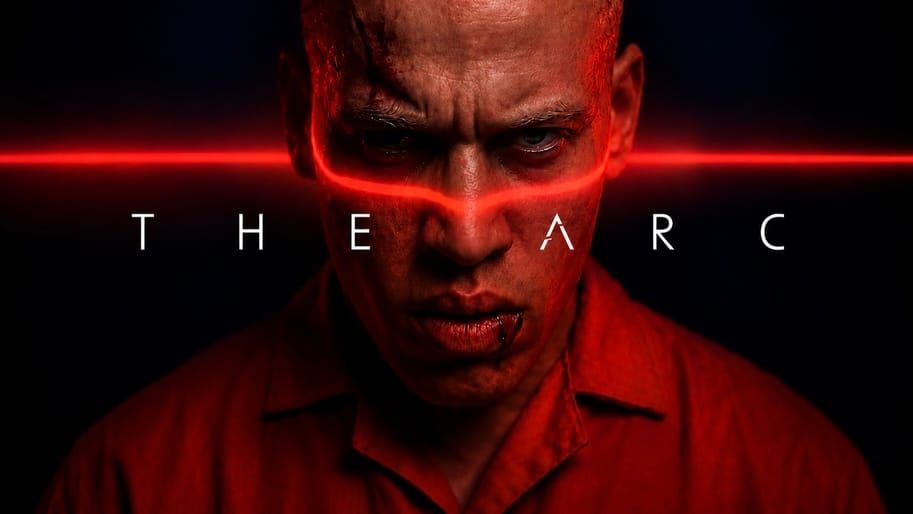
The science-fiction series The Arc was created using approximately $38,000 worth of artificial intelligence credits, with its filmmakers generating individual shots an average of eight to ten times before settling on the results they wanted.
The five-episode production offers a closer look at how AI filmmaking works in practice, from writing scripts and designing characters to generating moving images of historical battlefields without conventional sets, costumes or human performers.
Directed by Darin Stewart and executive produced by AI content creator Simone Ferretti, the series runs for approximately 83 minutes across five episodes.
It was developed through Artlist, a platform that provides creative tools and AI generation technology, and follows an incarcerated veteran forced to fight through deadly historical simulations in the hope of saving his dying son.
The headline figure needs some context, however. The $38,000 represents AI credits supplied by Artlist, rather than a confirmed all-in production budget, and the team consisted of professionals from traditional entertainment who were paid their usual day rates. The first episode was delivered after approximately three and a half weeks of work, but that timeframe should not be confused with the completion time for all five episodes.
The AI technology used to make The Arc
The production did not rely on one system to create an entire television series. Instead, the filmmakers combined several tools, giving each a different role in the process.
Anthropic Claude: script development and research
The team began each episode with a roughly 10-minute verbal outline covering the plot, dialogue and intended camera movements. They fed this material into Claude, Anthropic’s AI assistant, which helped turn their ideas into a workable script that the filmmakers then edited themselves.
Claude was also used as a research assistant, including when the team needed to establish which paintings would suit a character’s dining room. This demonstrates how AI can support the preparation stages of a production, helping filmmakers develop their ideas and research visual details before generating the finished scenes.
Google Nano Banana Pro and OpenAI GPT Image 2: creating the visuals
The filmmakers used Google’s Nano Banana Pro and OpenAI’s GPT Image 2 to generate still images. These helped establish the visual appearance of characters, rooms and locations before the scenes were brought to life as moving footage.
The team also used ShotDeck, a reference library of film and television imagery, alongside Figma for character sheets and mood boards. These tools helped establish a consistent visual direction, much as a conventional production might use reference photographs, concept art and design documents.
Seedance and Kling: generating the moving footage
The main video-generation work was carried out using Seedance and Kling. These AI video-generation tools transformed the team’s visual concepts and prompts into moving scenes, including action sequences and locations that would ordinarily require substantial physical production resources.
The series includes scenes set in 17th-century Japan and 19th-century Montana, allowing the filmmakers to create historical environments without travelling to those locations or building physical sets. The technology did not remove the need for creative direction: the team still had to decide how scenes should look, specify details and repeatedly regenerate footage until the results met their expectations.
Stewart said individual shots typically required eight to ten generations. The team managed its credits by initially generating footage at lower resolution, increasing the output quality only after finding a version they wanted to keep. With approximately $7,600 in AI credits allocated per episode, that process of testing and refining was an important part of managing the budget.
How the filmmakers controlled the details
The production’s approach went beyond generating a character in front of an attractive background. The team specified elements such as furniture, artwork and the appearance of individual rooms, using research and visual references to give locations a more deliberate design.
One example appears in the fifth episode, where a dining room features luminous white flooring inspired by the 1968 science-fiction film 2001: A Space Odyssey. The filmmakers also specified objects such as a stone statue and paintings to establish the character’s surroundings.
These decisions demonstrate how AI-generated productions can still involve detailed art direction. The technology creates the images, but the filmmakers determine what those images need to communicate and whether they fit the story.
What did the $38,000 actually cover?
The reported $38,000 was the value of the AI credits supplied by Artlist, rather than a verified total for every production expense. The team included professionals from traditional entertainment, and Stewart said everyone involved received their usual day rates. The figure therefore illustrates the resources used to generate the series’ AI content, not the complete cost of employing a crew and delivering a conventional television production.
The first episode was delivered approximately three and a half weeks after the team received approval to create the series. Across all five episodes, the finished programme runs for around 83 minutes, with individual episodes lasting between 10 and 22 minutes.
The distinction matters because AI can reduce the need for physical locations, sets, costumes and certain conventional production processes, but it does not make every part of filmmaking free. The team still needed time to develop the story, direct the visuals, assess generated footage and make creative decisions throughout production.
Watch here:
Could AI-generated series change television?
The Arc offers an example of how AI could help filmmakers tackle projects that might otherwise be difficult to finance. A production requiring historical battle scenes, elaborate environments and multiple locations would traditionally involve substantial logistical planning, whereas AI generation allowed this team to create those settings digitally.
Executive producer Simone Ferretti has argued that the technology could give more creators the opportunity to tell stories that might otherwise remain unrealised because of financial or industry barriers. Stewart also described the creative freedom of being able to change a character’s fate without arranging expensive reshoots in a distant location.
However, the series does not prove that AI will replace conventional television production or that every project can be made at a similar cost. The production relied on experienced creatives, and its budget reflects a specific workflow supported by Artlist credits.
There are also wider questions about the impact of AI on employment across the entertainment industry. Generative tools may change how certain tasks are carried out, but the experience of The Arc suggests that human input remains central to scripting, research, visual direction and the selection of usable footage.
For viewers, the important question is whether the finished series can deliver an engaging story, convincing characters and a compelling science-fiction world. The technology may offer filmmakers new ways to realise ambitious ideas, but the quality of the storytelling will ultimately determine whether audiences want to watch.
The Arc is available to watch free through Artlist’s website, giving viewers an opportunity to judge the finished series for themselves.