Part 3: RFDS, Real Life Rescues And Why The Flying Doctors Still Matter Today
RFDS brings the Flying Doctors story into the modern era, following medical teams tackling emergencies, trauma and remote healthcare across Australia.

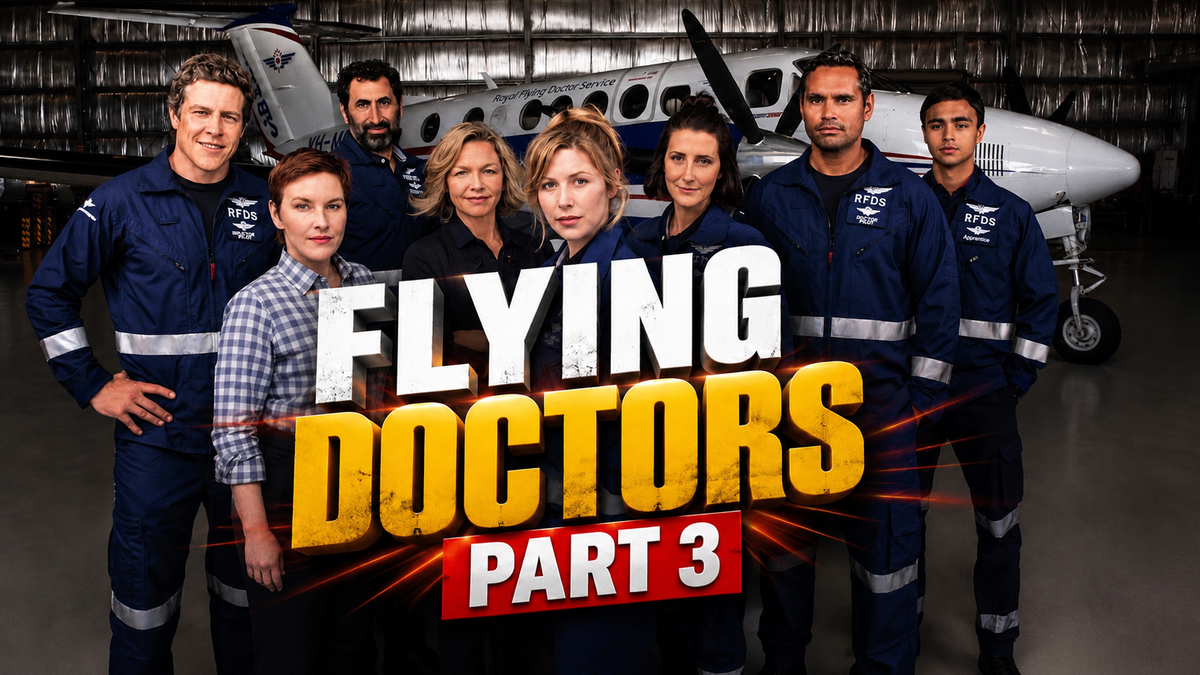
More than three decades after The Flying Doctors first introduced audiences to Cooper’s Crossing, a new generation of viewers discovered the Royal Flying Doctor Service through a very different television drama.
Premiering in 2021, RFDS brought the Flying Doctors story into the modern era.
While inspired by the same organisation, the newer series takes a different approach.
The original programme often focused on community life, long running relationships and the social fabric of a small Outback town.
RFDS places viewers directly alongside medical teams as they deal with emergencies, trauma, mental health challenges and the realities of modern healthcare delivery in remote Australia
The result is a drama that feels more contemporary while still honouring the remarkable organisation at its heart.
A New Generation Of Flying Doctors
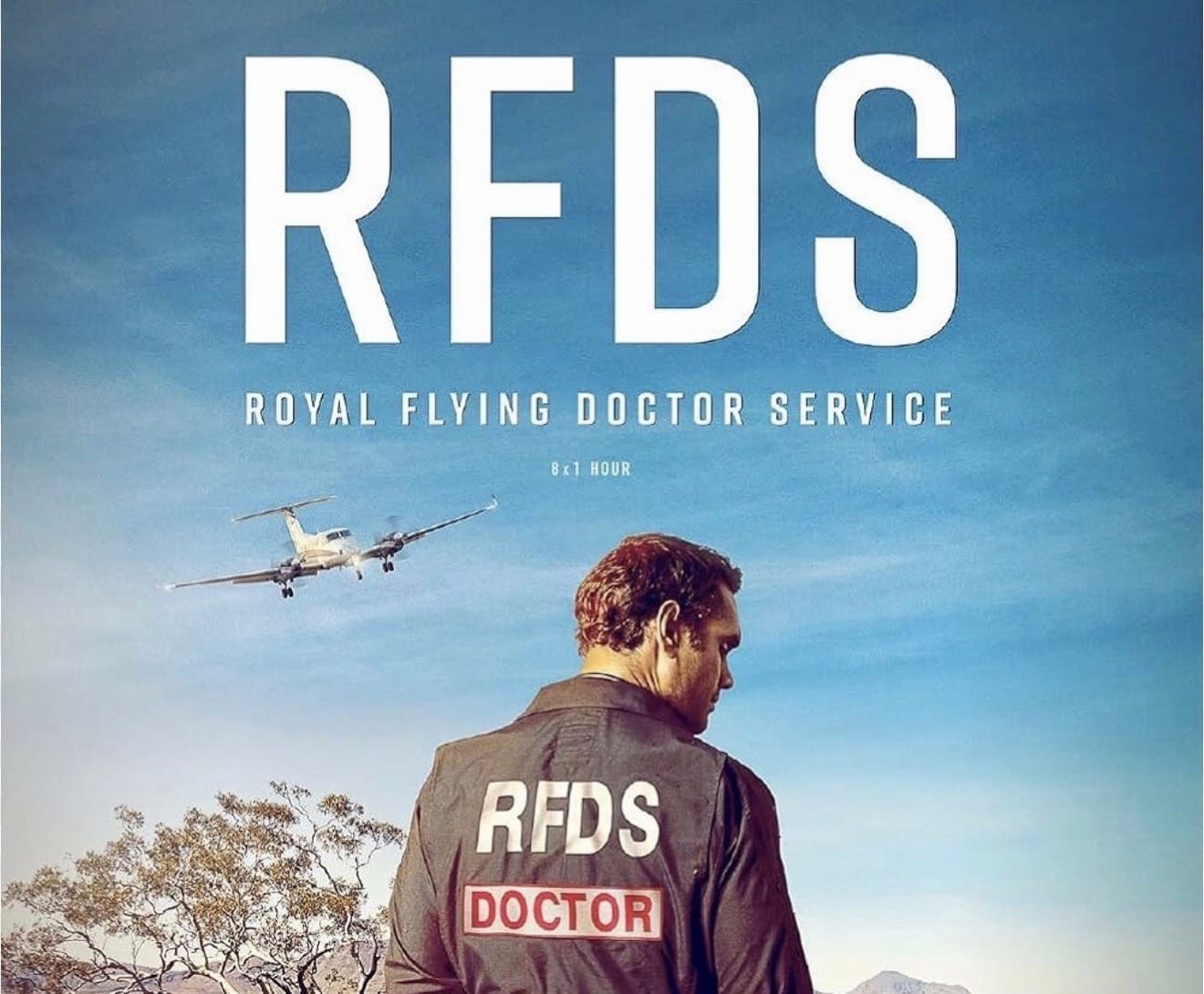
The modern series follows doctors, nurses, pilots and support staff working within the Royal Flying Doctor Service. Unlike city based medical dramas, the challenges facing RFDS teams are often shaped by distance.
Patients may be hundreds of miles from the nearest hospital. Medical crews frequently work in difficult conditions where weather, geography and limited resources can all affect treatment decisions.
The series stars Emma Hamilton as Dr Eliza Harrod, Stephen Peacocke as Nurse Pete Emerson, Rob Collins as Dr Wayne Yates and Justine Clarke as Leonie Smith.
Now into its third season, the programme has received praise for highlighting the human side of emergency medicine while introducing international audiences to the continuing importance of the Royal Flying Doctor Service.
How RFDS Differs From The Flying Doctors
Although both series are inspired by the same organisation, they reflect different eras of television.
The Flying Doctors emerged during a period when audiences often followed long running storylines and character relationships over many years. It blended medical drama with soap style storytelling and community life.
RFDS reflects modern television trends. Episodes move at a faster pace. Medical emergencies often take centre stage. Themes such as mental health, burnout, trauma and workforce pressures receive greater attention.
The visual style is also more cinematic, reflecting advances in television production. Despite these differences, both series share a common message.
Dedicated professionals continue to provide healthcare in some of the most challenging environments imaginable.
The Royal Flying Doctor Service Today
The real Royal Flying Doctor Service has evolved dramatically since its beginnings in 1928. What started with a single aircraft has grown into one of the largest aeromedical organisations in the world.
According to official figures, the RFDS assists more than 900 people every day across its 23 aero bases and fleet of approximately 79 aircraft.
The organisation operates from 23 aero bases across Australia and maintains a fleet of approximately 79 aircraft. Its work extends far beyond emergency retrievals.
The RFDS also delivers dental programmes, mental health support, primary healthcare clinics, telehealth consultations and specialist outreach services.
For many Australians living in remote communities, the service remains an essential lifeline.
The Healthcare Gap Facing Remote Australia
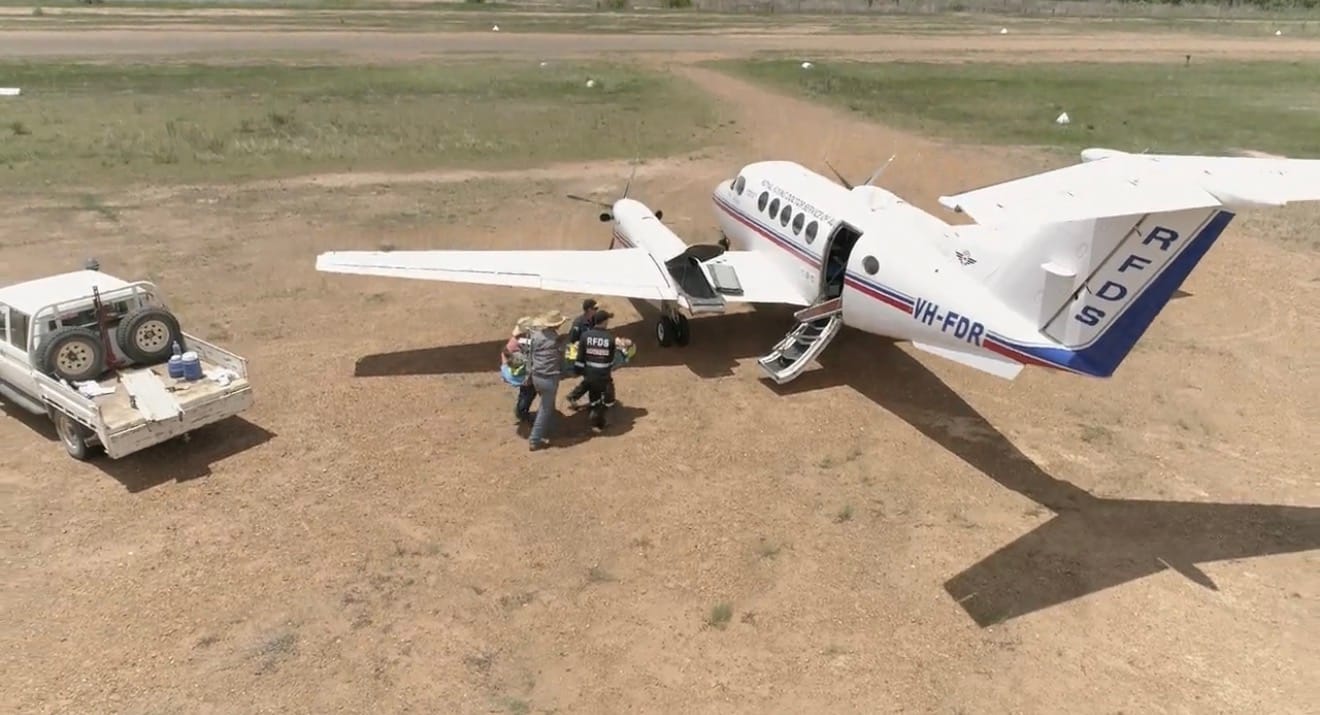
One reason the RFDS remains so important is the ongoing challenge of healthcare access. While major Australian cities enjoy extensive medical facilities, many rural and remote communities continue to face significant barriers.
Research published by the organisation has highlighted shortages of doctors, specialists and allied health professionals in remote regions.
Long travel distances can make accessing treatment difficult. Patients often need to travel hundreds of miles for specialist appointments, hospital procedures or emergency care.
The Flying Doctors help bridge that gap. Their aircraft and healthcare programmes ensure that geography does not become an insurmountable barrier to receiving medical treatment.
Nearly one hundred years after John Flynn first spoke about a mantle of safety, the mission remains just as relevant.
Real Life Rescue Stories
The most remarkable aspect of the RFDS is that the real stories can be every bit as dramatic as those shown on television.
Crews routinely respond to serious vehicle accidents, heart attacks, strokes, farming incidents and medical emergencies in isolated locations.
In some cases, patients are located in areas accessible only by aircraft. Others require urgent transfer to specialist hospitals hundreds of miles away.
The organisation has also assisted people injured during animal attacks, remote hiking incidents and extreme weather events. These situations rarely attract the attention of television cameras, yet they demonstrate the vital role played by Flying Doctor crews every day.
Behind every mission is a patient whose life may depend on receiving treatment quickly.
The Live Flight Map
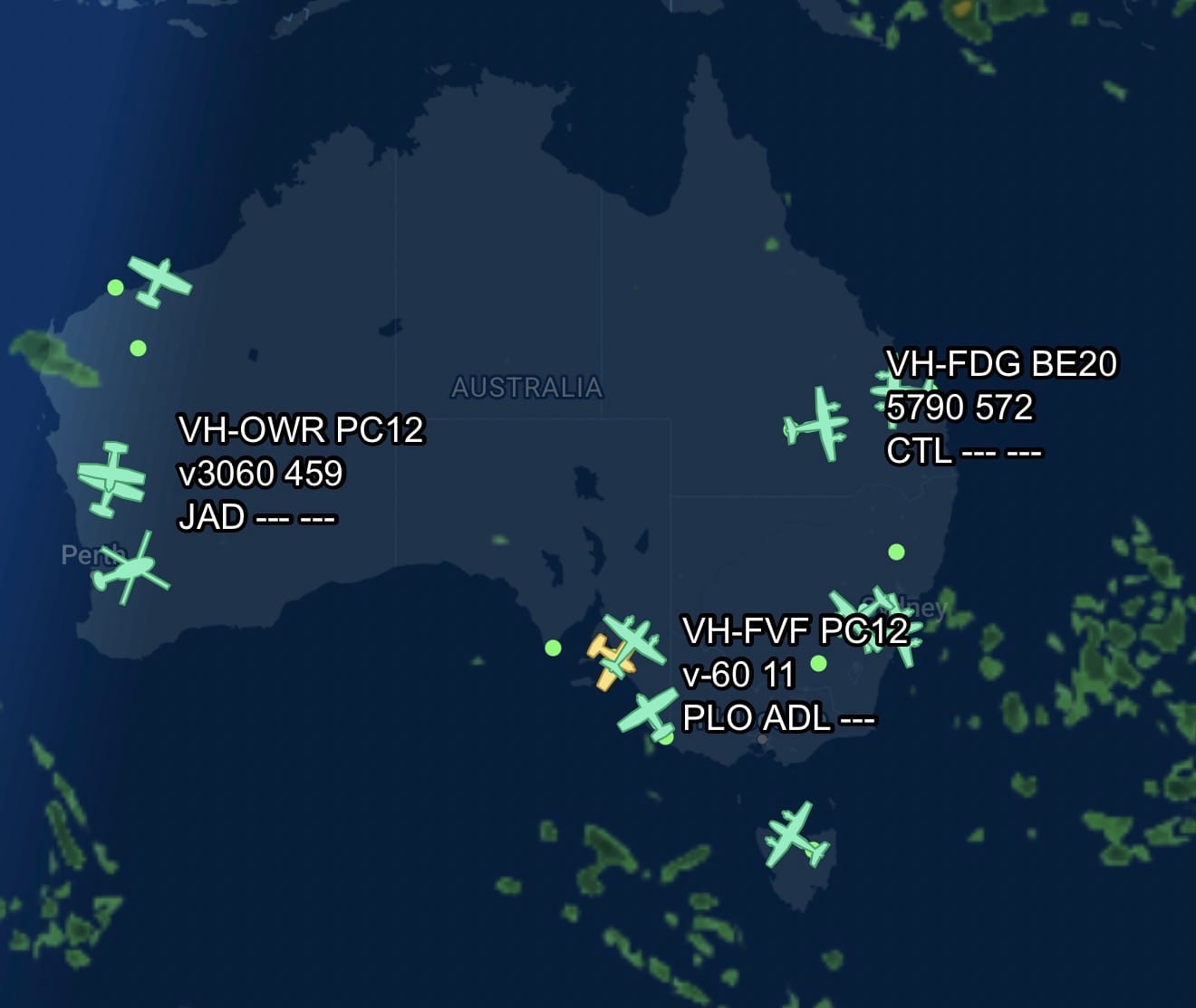
One of the most fascinating features available through the official RFDS website is the live flight map. Visitors can view Flying Doctor aircraft operating across Australia in real time.
Watching the map provides a striking visual reminder of the scale of the organisation’s work. Aircraft can often be seen travelling between remote communities, regional hospitals and major medical centres.
Every aircraft icon represents healthcare professionals carrying out the mission that began almost a century ago.
For viewers who grew up watching The Flying Doctors, it offers a powerful connection between the television drama and the real organisation.
How To Support The Royal Flying Doctor Service
The RFDS receives support from a combination of government funding, partnerships, fundraising activities and public donations.
Community support remains an important part of the organisation’s work. Visitors can learn more about the service through its official website:
https://www.flyingdoctor.org.au
The website includes information about the organisation’s history, healthcare programmes, patient stories, fundraising campaigns and donation opportunities.
Visitors can also explore the live flight map and learn more about the challenges facing remote healthcare across Australia.
Support helps fund aircraft, equipment, healthcare programmes and services delivered to communities that may otherwise struggle to access medical care.
Where To Watch The Flying Doctors And RFDS
The original The Flying Doctors remains available through DVD releases and selected streaming services depending on regional licensing agreements.
Availability varies between countries and platforms, so viewers should check local listings for the most current information.
The modern RFDS series has been available in the United Kingdom through Channel 4's More4 and additional platforms. As streaming availability changes regularly, viewers should check current listings for the most up to date information on where to watch
Viewers may find the programme listed under several different titles, including RFDS, RFDS: Royal Flying Doctor Service and Royal Flying Doctors.
All refer to the same modern drama.
Why The Flying Doctors Legacy Endures
Very few television dramas are inspired by an organisation with such a profound real world impact.
The Flying Doctors introduced millions of viewers to the Australian Outback, its communities and the challenges of delivering healthcare across vast distances.
RFDS has brought that story into the modern era, highlighting the pressures and responsibilities faced by today’s medical teams.
Yet the most extraordinary story remains the real one. Nearly one hundred years after John Flynn launched a single aircraft from Cloncurry, the Royal Flying Doctor Service continues to provide healthcare across some of the most remote regions on Earth.
Its aircraft still cross deserts and mountain ranges. Its crews still respond to emergencies. Its mission remains unchanged. The television dramas helped make the Flying Doctors famous. The real Flying Doctors continue to save lives.
For countless Australians, they are not characters on a screen.
They are a lifeline.
Sources: Royal Flying Doctor Service Australia, RFDS Facts & Figures, RFDS History, Screen Australia, The Flying Doctors production records, RFDS television series records.