One in Four LGBTQ+ People Avoid Certain UK Bars and Restaurants Over Safety Fears
Stonewall research finds 25% of LGBTQ+ respondents avoid certain bars and restaurants over safety concerns, rising to 47% among trans people.

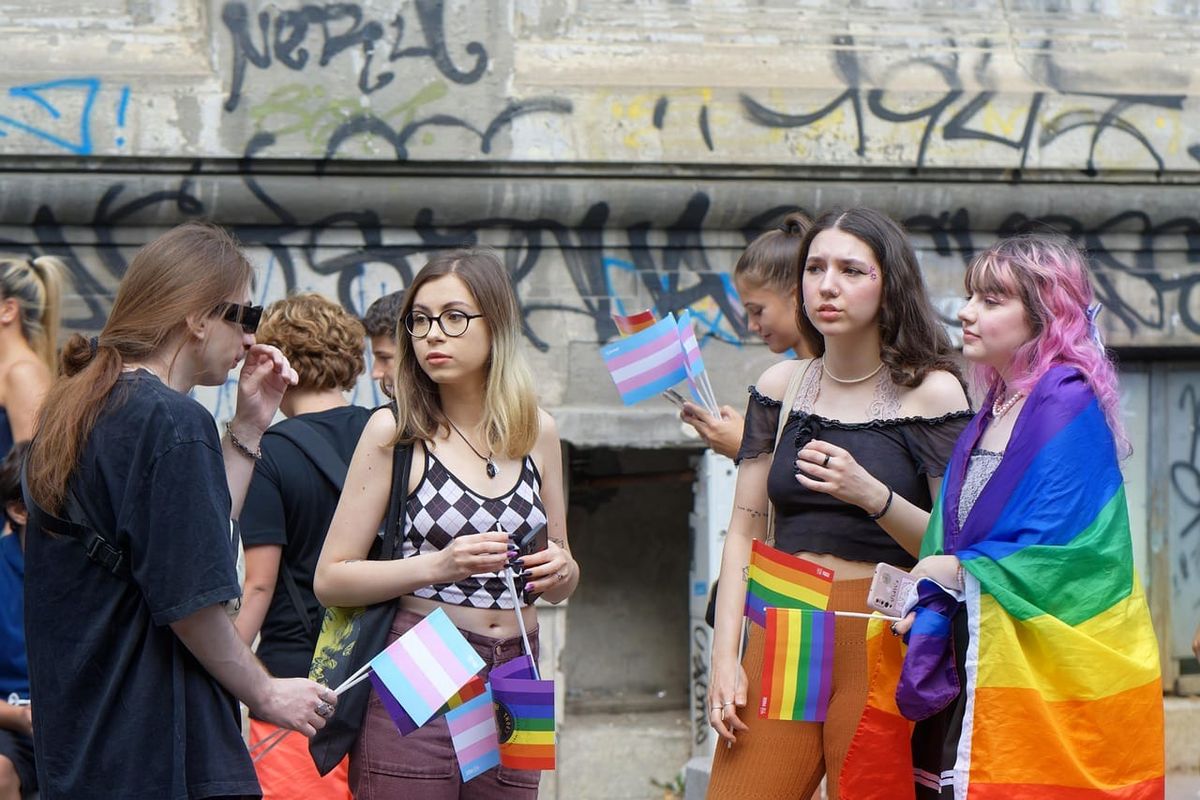
One in four LGBTQ+ people surveyed in a major UK study say they avoid certain bars and restaurants because they do not feel safe, raising important questions about how hospitality businesses can create welcoming environments for everyone. The figure rises to 47% among trans respondents, highlighting how concerns about safety can influence where people choose to spend time with friends, family and partners.
The findings come from Stonewall’s LGBTQ+ Life in the UK: 2026, published on 30 October, which gathered responses from almost 3,500 LGBTQ+ people. The report examines experiences across several areas of everyday life, including safety, relationships, employment and public spaces, offering a picture of both progress and the challenges that remain.
Why Do Some LGBTQ+ People Avoid Certain Venues?
For many people, visiting a restaurant, meeting friends for drinks or spending an evening at a local pub is an ordinary part of social life. However, the research suggests that some LGBTQ+ people make decisions about where to go based on whether they expect to feel safe.
The report identifies safety concerns as a reason for avoiding certain bars and restaurants, although the headline figures do not establish that every respondent has experienced harassment at those venues. It is therefore important to distinguish between concerns about safety and confirmed incidents of discrimination.

The wider research provides additional context, showing that 23% of LGBTQ+ respondents said they changed the way they dressed in public because they feared discrimination or harassment. Among trans respondents, the figure rose to 49%, highlighting how concerns about public reactions can influence everyday decisions.
These findings do not mean that all hospitality venues are unwelcoming or that every LGBTQ+ person has experienced hostility. Instead, they offer an opportunity to consider how businesses can make customers feel comfortable, respected and confident when visiting their premises.
What Makes a Bar or Restaurant LGBTQ+ Friendly?
Creating a welcoming environment involves more than displaying a Pride flag, although visible support can be a positive sign for customers. The way staff communicate, respond to concerns and handle inappropriate behaviour can be just as important.
Hospitality businesses can consider training employees to recognise and respond to harassment, establishing clear expectations for respectful behaviour and making it straightforward for customers to raise concerns. These are practical approaches that businesses can adopt without needing large budgets or extensive changes to their premises.

Booking procedures, customer communications and facilities can also be reviewed to ensure they do not unnecessarily exclude people because of their relationships or gender identities. Avoiding assumptions about customers and treating everyone with the same courtesy can help create a more comfortable experience.
For independent pubs, cafés and restaurants, an inclusive approach can become part of a wider commitment to friendly customer service. Building trust with local communities may encourage customers to return and recommend a business to others.
Research Also Shows Progress in Acceptance
Although the report identifies continuing concerns, it also records positive developments in how LGBTQ+ people experience acceptance. Almost half of respondents, 48%, believed acceptance had improved compared with ten years earlier, suggesting that many recognise progress despite the difficulties they continue to encounter.
The findings also highlight the importance of supportive personal relationships. Among lesbian, gay and bisexual respondents, 93% felt accepted by their families and 99% by their friends, while the corresponding figures among trans respondents were 86% and 95%.
These figures help explain why public spaces remain an important area for improvement. Feeling accepted by friends and family does not necessarily mean someone will feel equally comfortable in every restaurant, pub or other social setting.
How Hospitality Businesses Can Make a Difference
Bars, restaurants, cafés and pubs play an important role in bringing people together, whether for celebrations, casual meals or evenings with friends. Making those spaces welcoming can help customers feel more comfortable participating in everyday social activities.
Businesses can start by listening to customer experiences, ensuring staff understand their responsibilities and responding consistently when concerns arise. Visible support for LGBTQ+ communities can complement those measures, but respectful treatment throughout a visit is what makes inclusion meaningful.
The findings provide an opportunity for hospitality businesses to review their practices positively rather than treating the research simply as criticism. A welcoming venue benefits from an atmosphere where customers can enjoy themselves without unnecessary concern about how they will be treated.
Readers can explore the wider findings through Stonewall’s official report, which examines LGBTQ+ experiences across several aspects of life in Britain.