Can Apple's New Siri AI Finally Become the Personal Assistant People Have Been Waiting For?
Apple's redesigned Siri AI promises natural conversations, onscreen awareness and personal context. We examine what HomeView can do and its limitations.

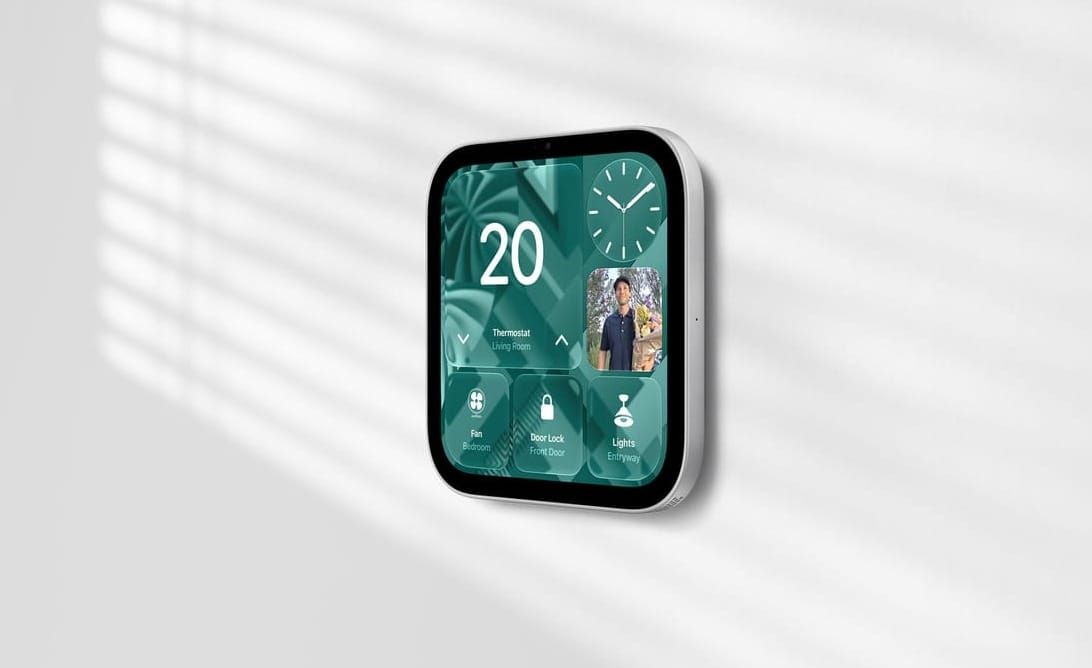
Voice assistants have been part of everyday technology for years, yet conversations with them can still feel surprisingly unnatural. Asking for the weather or setting a timer is usually straightforward, but more complicated requests can expose limitations in how assistants understand context, remember previous questions and connect information across different applications.
Apple believes its new Siri AI could offer a more capable alternative, with the redesigned assistant forming a central part of HomeView, the company's £299 smart display launching in Britain on 13 November 2026.
Powered by Apple Intelligence and the A18 chip, HomeView introduces a version of Siri designed for richer conversations, broader knowledge and an understanding of information displayed on the screen. The development is particularly interesting because it places conversational AI in a shared household device rather than restricting it to a personal smartphone.
What can the new Siri understand that older assistants struggled with?
Traditional voice assistants have generally performed best when given clearly defined instructions. A request to play a particular song, switch on a light or create a reminder can be interpreted as a command, but more complicated conversations require a system to understand relationships between different pieces of information.
Apple says Siri AI is designed to support more natural interactions, allowing users to ask follow-up questions and explore subjects without repeatedly beginning a new request. Its onscreen awareness is intended to help the assistant respond to information that someone is already viewing.
For example, a person looking at instructions on the display might want an explanation of a particular cooking technique. Instead of searching separately, they could ask Siri for additional information while continuing to use the screen.
The technology also has potential applications for music discovery, with Apple highlighting the assistant's ability to answer more detailed questions about songs, performers and related subjects. This could make searching for entertainment easier when someone remembers a particular detail but not the title they want.
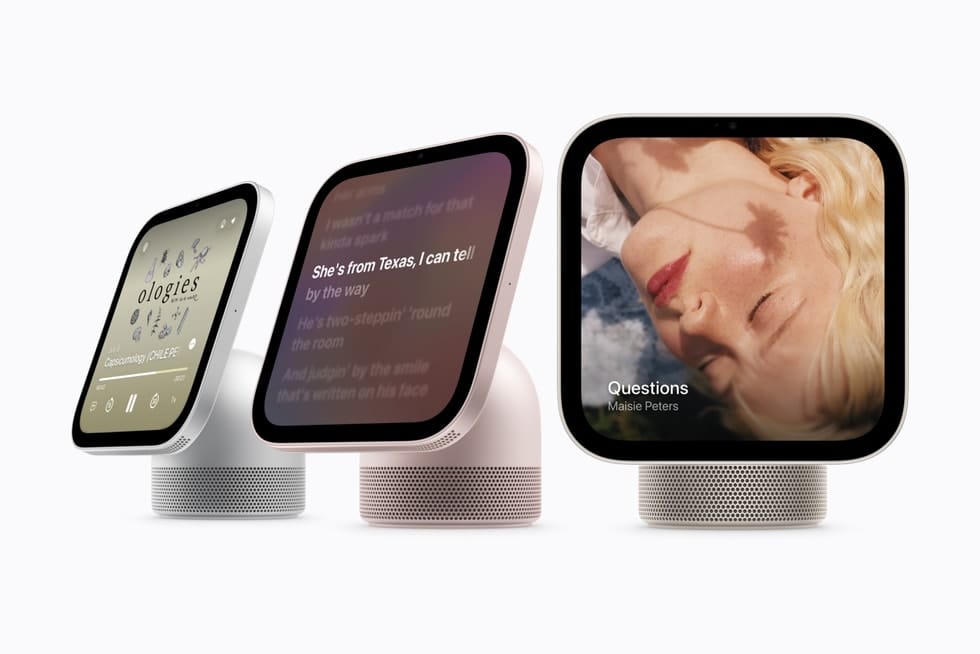
However, these capabilities should not be confused with unlimited access to every application or service. Apple distinguishes between general conversational features available on HomeView and more advanced functions requiring a compatible Apple Intelligence-enabled iPhone or iPad.
With an eligible paired device, Siri can draw on personal context from applications such as Messages and Calendar. That could make it possible to retrieve relevant information without manually opening several applications, although the precise capabilities depend on compatibility and the software available.
Apple also says conversations can continue across compatible devices through the Siri application, with conversation history privately synchronised using iCloud. This introduces the possibility of beginning a request on HomeView and continuing it later on another Apple device.
Could a more humanlike assistant introduce new problems?
The ability to communicate naturally can make an AI system easier to use, but it can also create expectations that exceed its actual capabilities. A conversational response may sound convincing even when the underlying information is incomplete or incorrect.
That is particularly relevant when assistants provide information about health, finances, travel or other subjects where accuracy is important. A household AI assistant should not be treated as an authoritative source simply because its answers sound fluent.
There is also the question of personal information. A shared home display may be used by several people, while messages, appointments and other private details belong to individuals.
Apple has introduced facial recognition and additional authentication requirements intended to prevent one household member from accessing another person's personal content. Those safeguards are significant, but their practical effectiveness will need to be assessed through independent testing.
Voice recognition presents another challenge because people speak with different accents, dialects and speech patterns. For British users, the availability of English-language support is welcome, but it does not establish how consistently Siri will understand every speaker or operate in noisy environments.
Accessibility could benefit from more flexible conversations, particularly for people who find touchscreen navigation difficult. However, those advantages depend on the assistant responding reliably and offering practical alternatives when spoken instructions are misunderstood.
Apple is launching Siri AI on HomeView in beta, which means the software should not be treated as a finished demonstration of its long-term capabilities. Certain server-based Apple Intelligence features also have daily usage limits, while expanded access is expected to be available for a fee in the future.
Another emerging question concerns third-party conversational AI. Reports of a Conversational Apps category in iOS beta code suggest Apple may be preparing additional possibilities, but the company has not confirmed which services, if any, will become available on HomeView.
That distinction is important because references to ChatGPT, Claude or other assistants should not be interpreted as confirmed product features. Until Apple makes an announcement, support for particular third-party chatbots remains uncertain.
HomeView represents a significant attempt to move AI assistance away from isolated commands and towards conversations that fit naturally into household activities. Its potential is considerable, but the real test will be whether Siri consistently understands requests and helps users complete tasks without creating additional complications.
For British consumers, the most useful question is not whether Siri sounds more intelligent, but whether it can provide dependable assistance during ordinary activities. That is what will determine whether HomeView becomes a regularly used household device or another screen competing for attention.
Image credits: Apple.com