Nicola Coughlan and Matt Lucas back campaign against AI voice cloning
Nicola Coughlan, Matt Lucas and Hugh Bonneville join around 80 performers backing calls for stronger UK laws against unauthorised AI voice cloning.


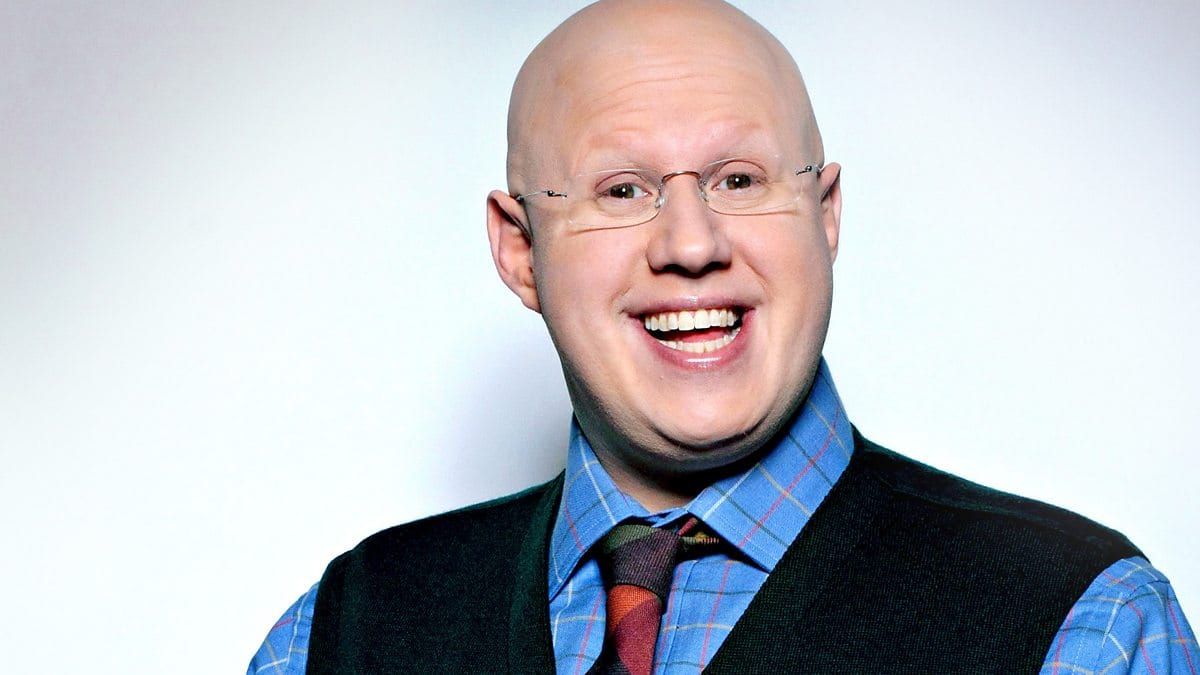
Nicola Coughlan, Matt Lucas and Hugh Bonneville are among around 80 performers backing a campaign calling for stronger protection against AI voice cloning in the UK.
Save Our Voices Now wants new legislation giving people greater legal control over how their voices can be copied, recreated and used by artificial intelligence
The campaign is also supported by Luke Evans, Siobhán McSweeney, Pearl Mackie, Jen Brister and performers from across acting, music and voice work. At the centre of the campaign is a growing concern that increasingly convincing digital copies of someone’s voice can be created without that person agreeing to its use.
Save Our Voices Now is calling for every person in the UK to have a statutory right to legally own their voice as personal intellectual property. Campaigners also want AI developers to carry the legal burden of proving consent was obtained before a person’s voice is used on a platform.
A third proposal would make those protections enforceable through UK courts against any platform serving British users, regardless of where the company itself is based. Supporters argue this would make it considerably easier for performers and members of the public to challenge unauthorised uses of their voices.
For actors, singers and voice performers, the issue also reaches directly into their working lives. Their voices can form an important part of their identity and career, while AI systems can potentially reproduce those voices and generate completely new speech that the original person never recorded.
Siobhán McSweeney has stressed that performers do not necessarily have to choose between embracing new technology and protecting human creativity. Her argument is that AI can be used as a tool while proper safeguards remain in place for the people whose work and identities make that technology possible.
There are legitimate uses for voice replication too. Technology capable of recreating speech can help people who have lost their voices through illness communicate using something resembling their original voice, showing why the debate is not simply about stopping AI voice technology altogether.
The concern instead centres on consent and control. Save Our Voices Now claims that 28% of UK adults report having been targeted by a voice-cloning scam, while campaigners also warn about the potential for voices to be copied for commercial or creative purposes without permission.
The campaign is now asking supporters to add their names to a UK Parliament petition calling for stronger legal protection.
Its wider message is simple: as AI voice technology improves, the people whose voices are being replicated should have a clear say over when, where and how they are used.
For more on artificial intelligence, performers and the changing entertainment industry, explore our latest AI stories and features on SoapLandTV. Image credit - BBC