New LGBTQ+ documentary examines why people still feel excluded within their own community
River of Life LGBTQ+ follows 13 participants across generations as they confront exclusion, transphobia and divisions within their community in a new 43-minute documentary.

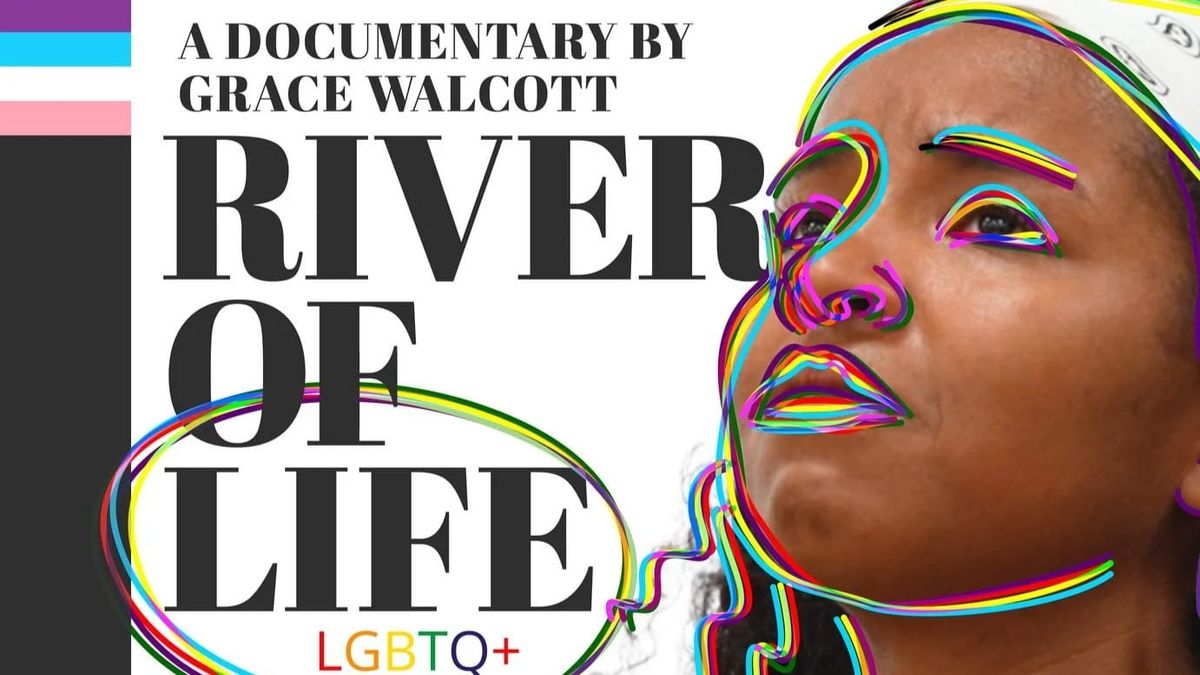
A new LGBTQ+ documentary is turning attention towards a difficult issue within the community itself, bringing people from different generations together to confront experiences of exclusion, prejudice and the struggle to feel accepted.
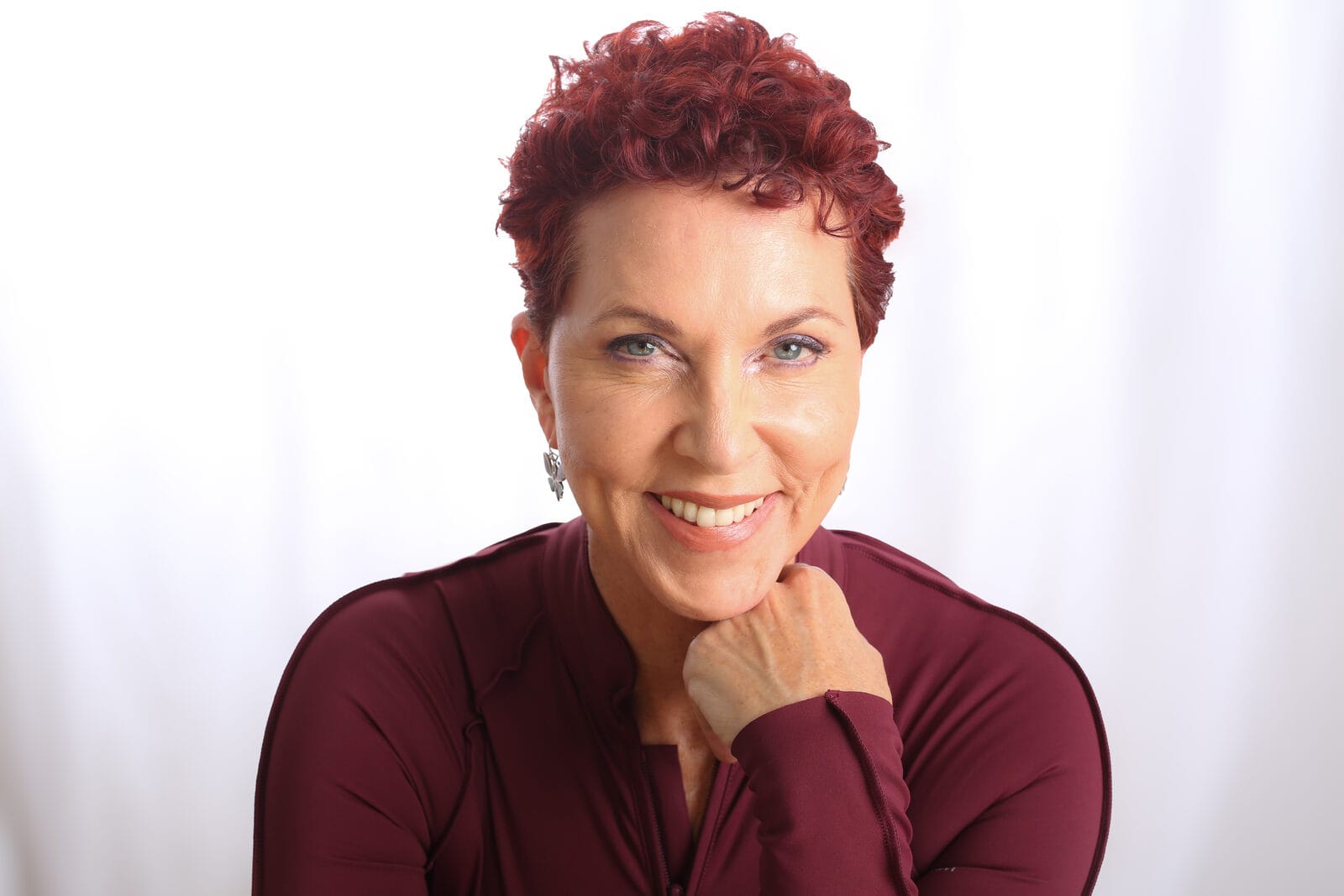
River of Life, LGBTQ+, directed by filmmaker and drama therapist Grace Walcott, arrives on streaming platforms on Tuesday, 13 October.
The 43-minute feature documentary follows 13 participants as they take part in a ten-week drama therapy workshop designed to help them explore their experiences and understand the perspectives of people whose lives have been very different from their own.
The film's central question is why people who have experienced discrimination from outside the LGBTQ+ community can sometimes find themselves facing judgement and exclusion within it.
Its participants discuss generational disagreements, racial identity, sexuality and gender, exploring how divisions can develop even in spaces intended to offer safety and belonging.
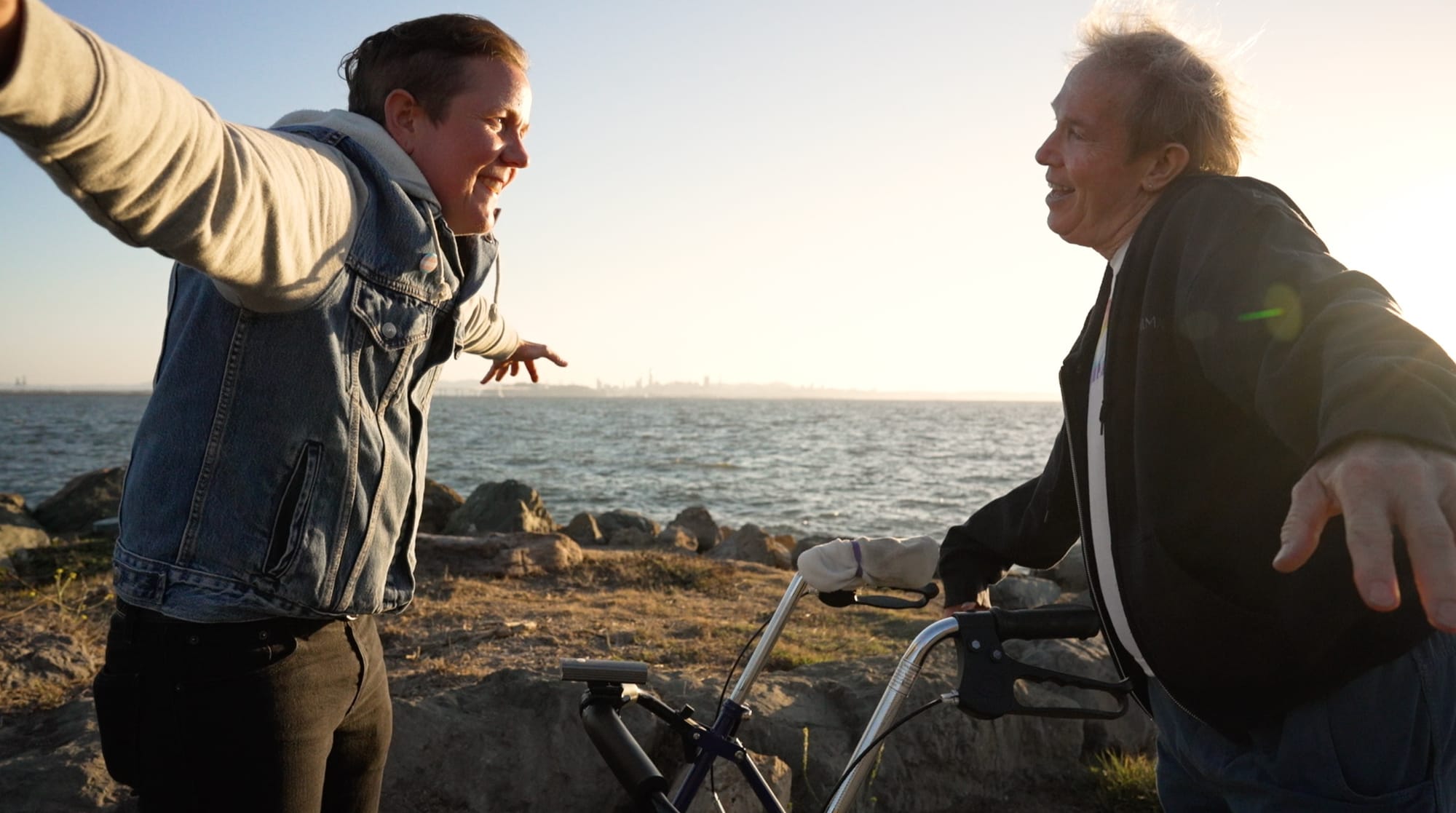
Among those featured is a 73-year-old non-binary participant who survived police raids on gay bars, carrying memories of a time when being gay was criminalised.
Another participant, a 43-year-old therapist, was once labelled mentally ill for being trans, while a 21-year-old Black participant describes feeling that their racial identity overshadows their LGBTQ+ identity even within community spaces.
These different experiences provide the foundation for conversations about how history shapes people's expectations of acceptance today.
Older participants bring memories of criminalisation and activism, including the protests associated with ACT UP during the AIDS crisis, while younger participants help challenge assumptions about gender identity that some members of earlier generations once dismissed.
Rather than presenting these differences as an argument with a simple resolution, the documentary follows the participants as they try to understand one another and work through the hurt behind their disagreements.
How drama therapy helped bring the group together
The project began with Walcott's own observations while working at the Pacific Center for Human Growth, an LGBTQ+ community health organisation.
During staff meetings, she heard colleagues express concerns about not being accepted by others in the community, including trans people who worried they were not considered “trans enough” and bisexual or pansexual people who questioned how gay men and lesbians viewed them.
Walcott recognised those feelings from her own experiences and decided to create a workshop where people could explore them openly.
“‘Toni Morrison said if there's a book you want to read that hasn't been written yet, you have to write it,’” Walcott says “This was the workshop I needed.”
The workshop used drama therapy to help participants turn memories and emotions into physical expression, giving them another way to reflect on difficult experiences. The group committed to ten consecutive weeks of sessions lasting three hours each, and all 13 participants attended every week.
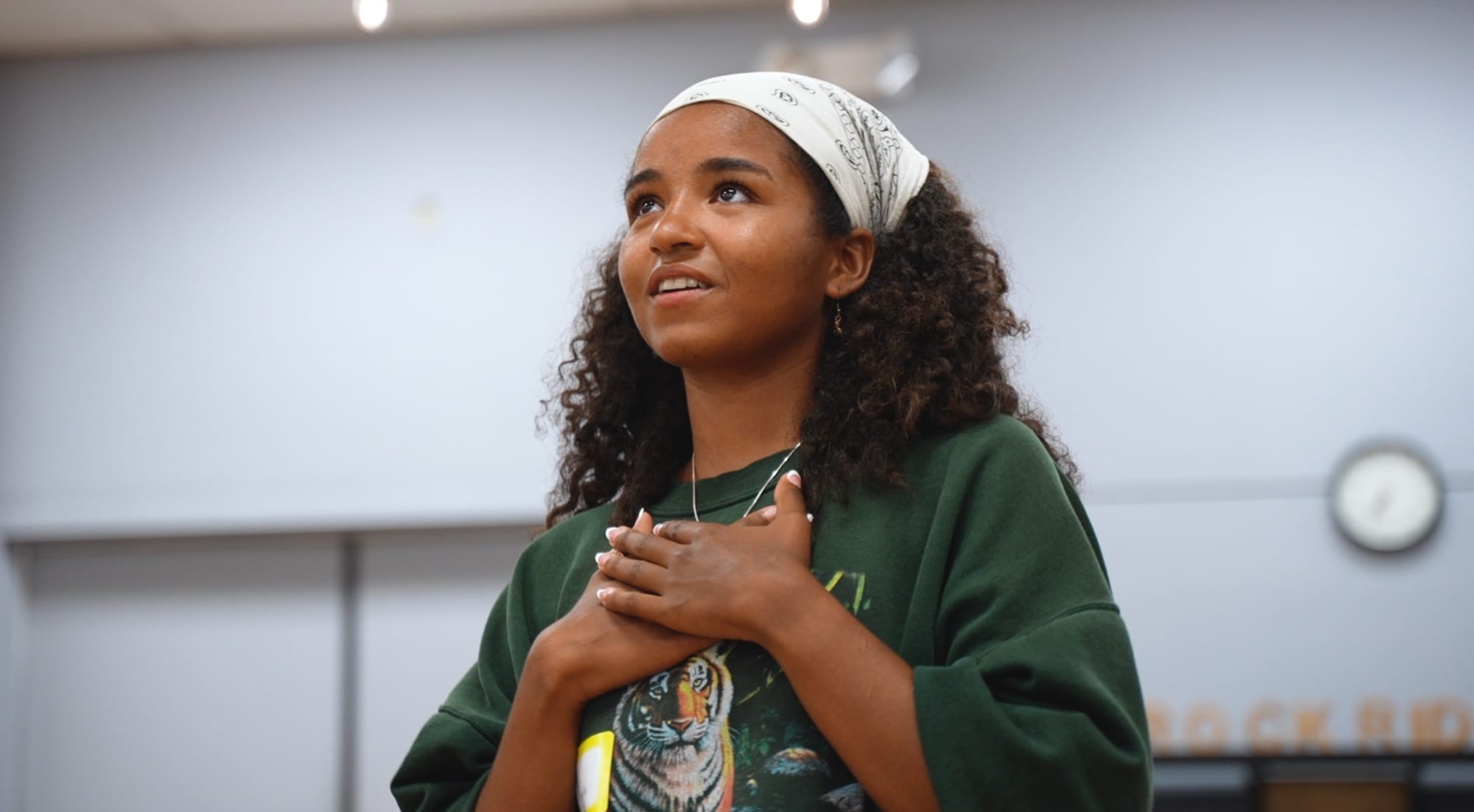
The title comes from an exercise in which participants imagine their lives as a river, identifying the moments when they feel able to move freely and the obstacles they have had to navigate.
The metaphor connects their individual stories with the wider question of how people find belonging while dealing with painful experiences.
Walcott's own journey informs the project. She previously identified as bisexual and now identifies as pansexual and gender-expansive, describing how her understanding of her identity developed over time.
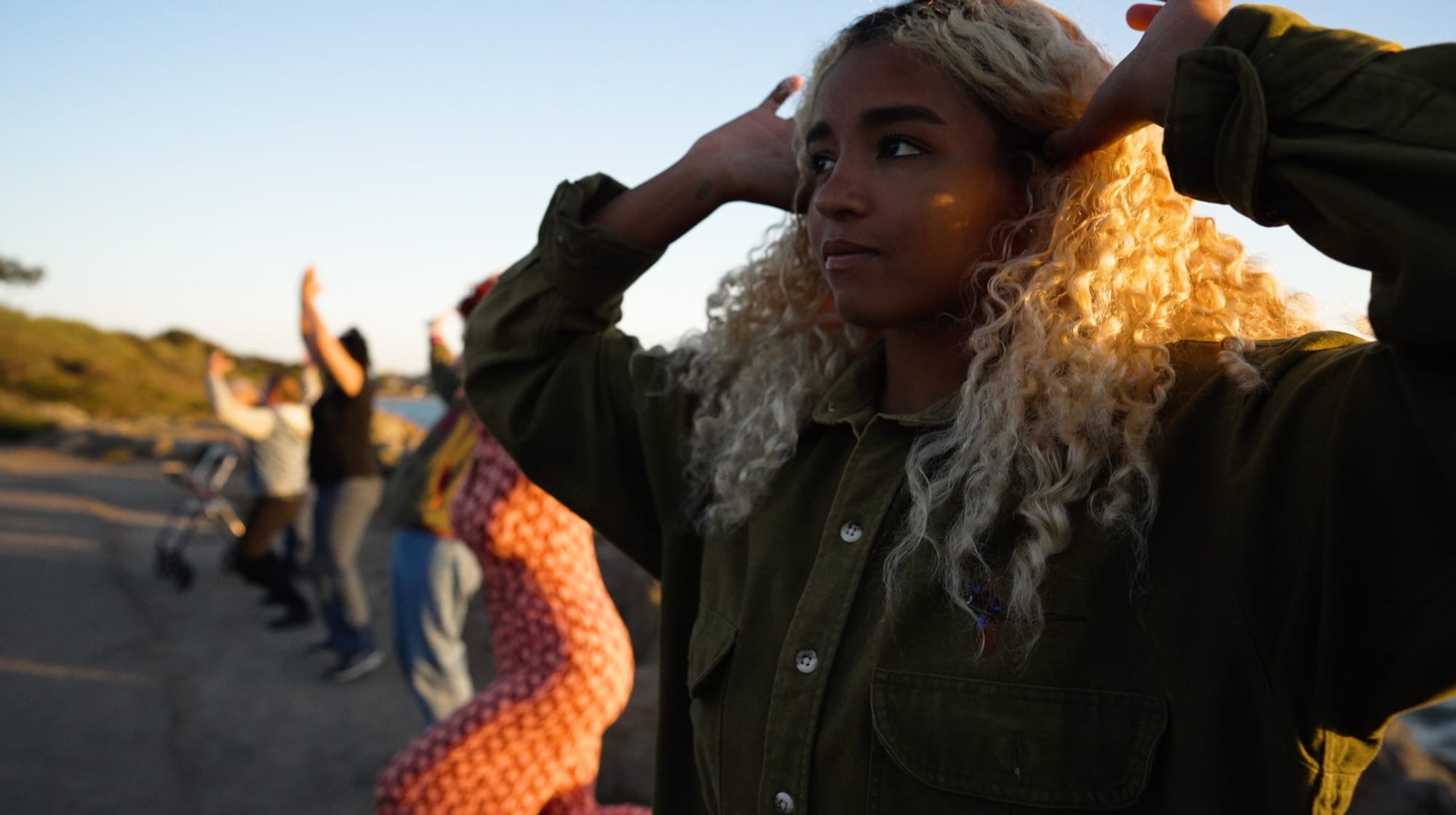
The film also places these personal conversations within a wider climate of political opposition to LGBTQ+ people. Its director argues that internal divisions can leave communities more vulnerable, while solidarity and understanding can help people support one another.
Festival recognition and streaming release
River of Life, LGBTQ+ has already received festival recognition. It won Best LGBTQ Documentary at the WRPN Women's International Film Festival in 2024 and Best Feature Film at the Arts in Healing International Film Festival in 2025.
At the latter festival, it also received the Judith Rubin Award for Social Transformation and Centering LGBTQ+ Voices, and it was nominated for Best of Show at the Albany Film Festival in 2024.
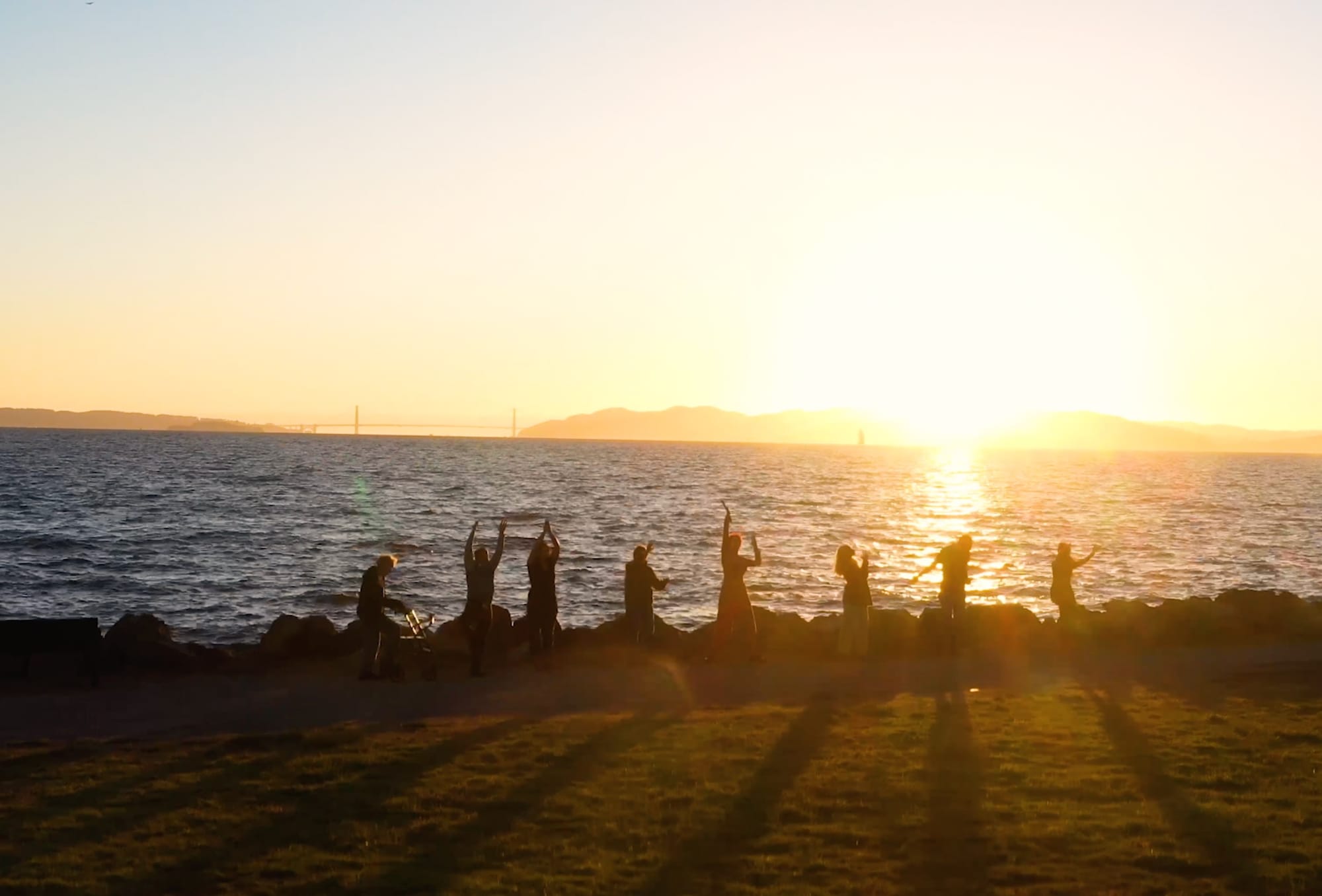
The documentary screened at San Francisco's Little Roxie Theater on 11 October for National Coming Out Day, with the screening selling out. It is now available to stream from 13 October through Amazon, Apple TV and YouTube, according to the film's official website.
For viewers interested in LGBTQ+ history, intergenerational relationships and the complexities of community belonging, the documentary offers a close look at how personal stories can reveal both the divisions people experience and the possibilities for understanding one another.
Watch the trailer here:
Where to watch:
River of Life, LGBTQ+ is available to stream from 13 October 2026 on Amazon, Apple TV and YouTube. Viewers can visit the film’s official website for streaming links and further information.