Meet Angelica Robinson, the Bisexual Police Officer Building Bridges in Detroit
Detroit Police Corporal Angelica Robinson is using more than 30 years of policing experience to improve LGBTQ+ community relationships and support officers.

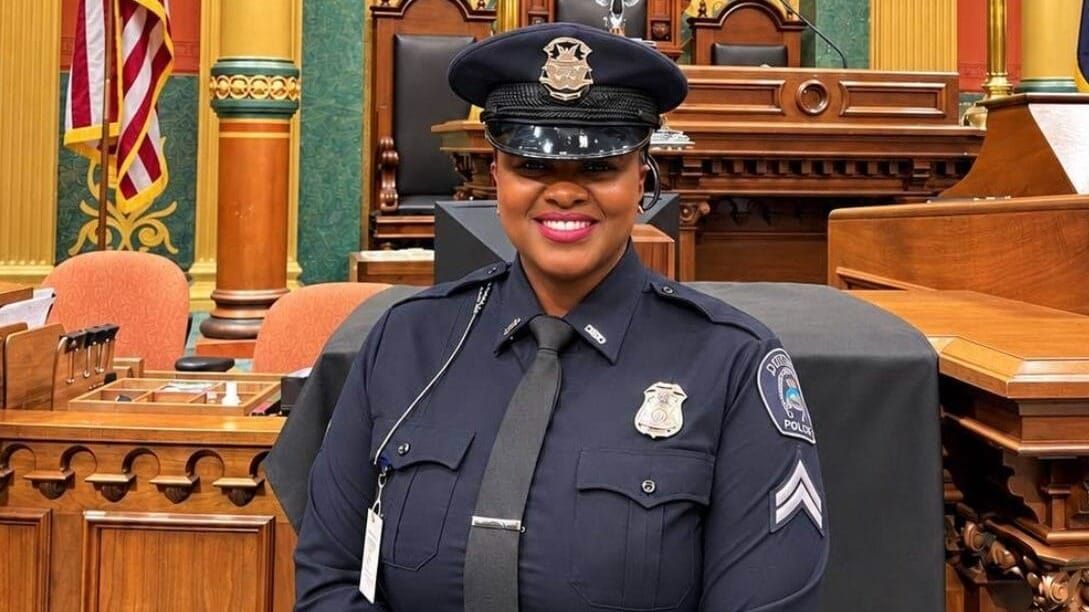
After spending more than three decades working in law enforcement, Detroit Police Corporal Angelica Robinson is bringing together her professional experience, connection to her home city and identity as a bisexual woman in a role focused on strengthening relationships with LGBTQ+ communities.
Robinson became the Detroit Police Department's LGBTQ+ Liaison during spring 2026, taking responsibility for developing community partnerships, improving communication and supporting LGBTQ+ officers and staff within the organisation. Her appointment provides an opportunity to address concerns about trust in policing while ensuring residents have an identifiable person they can approach when seeking advice or assistance.
Born and raised in Detroit, Michigan, Robinson has spent much of her professional life serving the city, giving her an understanding of the different communities, organisations and neighbourhoods that make up its population.
More Than 30 Years of Policing Experience
Robinson's background distinguishes her from someone entering community engagement work without previous operational experience, as she brings more than 30 years of law enforcement service to a position requiring both professional knowledge and the ability to build relationships.
Her identity as an openly bisexual officer also contributes to her understanding of LGBTQ+ visibility within policing, particularly in a profession where attitudes towards sexuality have developed considerably over recent decades but where questions about workplace culture and discrimination continue.
Rather than concentrating solely on public events, Robinson wants to establish relationships that allow LGBTQ+ residents and community organisations to communicate with the department throughout the year, providing opportunities for concerns to be raised before they develop into wider problems.
The approach recognises that trust is rarely established through a single meeting or public announcement, especially among people whose previous experiences of law enforcement may have left them reluctant to seek assistance.
Creating Stronger Links With LGBTQ+ Organisations
One of Robinson's ambitions involves developing an advisory structure that would bring together representatives from LGBTQ+ community organisations, healthcare providers, legal services and other professional groups with an interest in public safety.
Such an arrangement could give residents and community representatives a more structured opportunity to discuss concerns with police personnel, while allowing the department to hear directly from organisations already supporting LGBTQ+ people across Detroit.
These relationships can be especially important when someone has experienced harassment, discrimination or hate crime but feels uncomfortable approaching the police, as community organisations may already have the trust and experience needed to help individuals navigate unfamiliar procedures.
Robinson's proposal is intended to encourage continuing communication rather than occasional consultation, although its longer-term effectiveness would depend on how the department responds to concerns and whether community feedback produces practical improvements.
Supporting LGBTQ+ Officers Within the Department
Robinson's responsibilities also extend to LGBTQ+ officers and civilian employees, recognising that relationships with the wider community can be influenced by the experiences of people working within the police organisation itself.
Police staff who feel confident discussing their identities, accessing professional support and raising workplace concerns may be better placed to contribute to an inclusive organisational culture, although appropriate employment policies and effective complaints procedures remain essential.
Visible LGBTQ+ personnel can also provide reassurance to colleagues who are beginning their policing careers or considering whether to be open about their sexuality at work, particularly when they have previously encountered discrimination in other professional environments.
For Robinson, supporting colleagues and developing relationships with residents are connected responsibilities, with both requiring an environment where concerns can be discussed respectfully and individuals receive appropriate assistance.
Can Community Engagement Improve Confidence in Policing?
Research published by the Williams Institute at UCLA School of Law in November 2025 identified continuing concerns about LGBTQ+ people's experiences of policing in the United States, including higher reported rates of police stops, searches and arrests compared with non-LGBTQ+ respondents.
Those findings help explain why dedicated liaison officers may have an important role in improving accessibility and communication, particularly where residents have concerns about how they might be treated when reporting a crime or approaching law enforcement.
However, the appointment of a specialist officer cannot independently resolve wider organisational problems, and community confidence will also depend on the conduct of officers responding to incidents, the quality of investigations and how complaints are handled.
Robinson's work represents an opportunity for Detroit Police to develop more consistent relationships with LGBTQ+ residents while supporting personnel within the department, with the success of those efforts ultimately depending on the experiences of the people engaging with the service.
Further Information: Detroit Police Department