LGBTQ+ Soap Fans Are Building Huge Online Communities Around Britain’s Biggest Soaps
LGBTQ+ soap fandoms are building powerful online communities around Sukeve, Swarla and RobRon, creating friendships that often continue far beyond the screen.

LGBTQ+ soap fandoms have become one of the most active parts of modern television culture, changing the way audiences interact with British soaps in 2026. For many viewers, following a favourite character or couple no longer ends when the closing credits appear.
What once happened mainly on message boards and smaller fan forums now takes place across TikTok, X, Reddit, Instagram and private fan groups. Viewers react to episodes in real time, create edits, discuss spoilers, analyse scenes and build communities around the characters and relationships they care about.
Soap pairings including Suki and Eve in EastEnders, Aaron and Robert in Emmerdale, and Carla and Lisa Connor-Swain in Coronation Street have become major talking points online. Their storylines can generate huge emotional investment because viewers are able to follow these relationships over months and sometimes years rather than through a short television series.
A kiss, reunion, wedding, argument or even a quiet scene of support can quickly become the focus of online discussion. Fans share clips, photographs, reactions and theories, while conversations can continue long after the episode itself has finished.
Why These Communities Matter To LGBTQ+ Viewers
For many LGBTQ+ viewers, these fandom spaces are about much more than television. They can become places of friendship, recognition and shared experience, particularly for people who may not have many LGBTQ+ people around them in their everyday lives.
Many viewers remember the first time they saw a same sex relationship or LGBTQ+ character on mainstream television and felt understood in a way they had not experienced before. When that connection develops through a soap, it can feel especially personal because these characters become part of viewers' everyday routines.
That emotional connection naturally extends into fandom culture. Viewers do not simply watch Suki and Eve, Aaron and Robert, Carla and Lisa or other LGBTQ+ characters, they can find entire communities of people who are following the same stories and reacting to many of the same moments.
Fan Run Groups Are Creating Real Communities
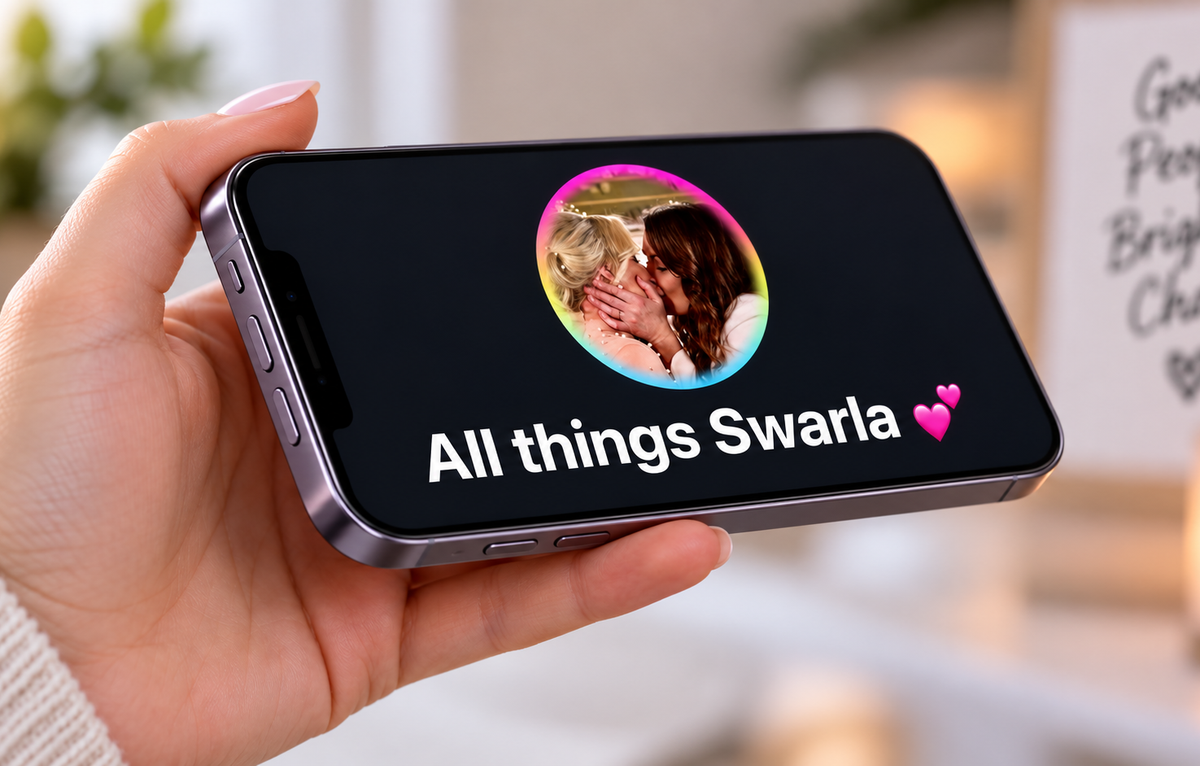
Some of these communities have developed into dedicated fan run spaces away from the larger public social media conversations. Accounts such as @midnightswarla, for example, have created chat groups where Swarla fans can talk about Carla and Lisa, discuss episodes and share their enthusiasm for the couple with other viewers.
Similar groups exist around other characters and pairings across different platforms. Some are open communities that anybody can follow, while others operate through private group chats, Discord servers, Instagram chats, Reddit communities or smaller spaces created and moderated by fans themselves.
For someone watching a storyline alone at home, those groups can completely change the experience. A television relationship becomes the starting point for conversations with people from different parts of the UK and, increasingly, different countries around the world.
Online Friendships Are Moving Into Real Life
For many fans, those connections no longer remain entirely online. People who first met through soap chat groups and fan communities have gone on to meet in person, visit the Coronation Street set together, attend soap fan conventions and organise trips around the programmes and characters they love.
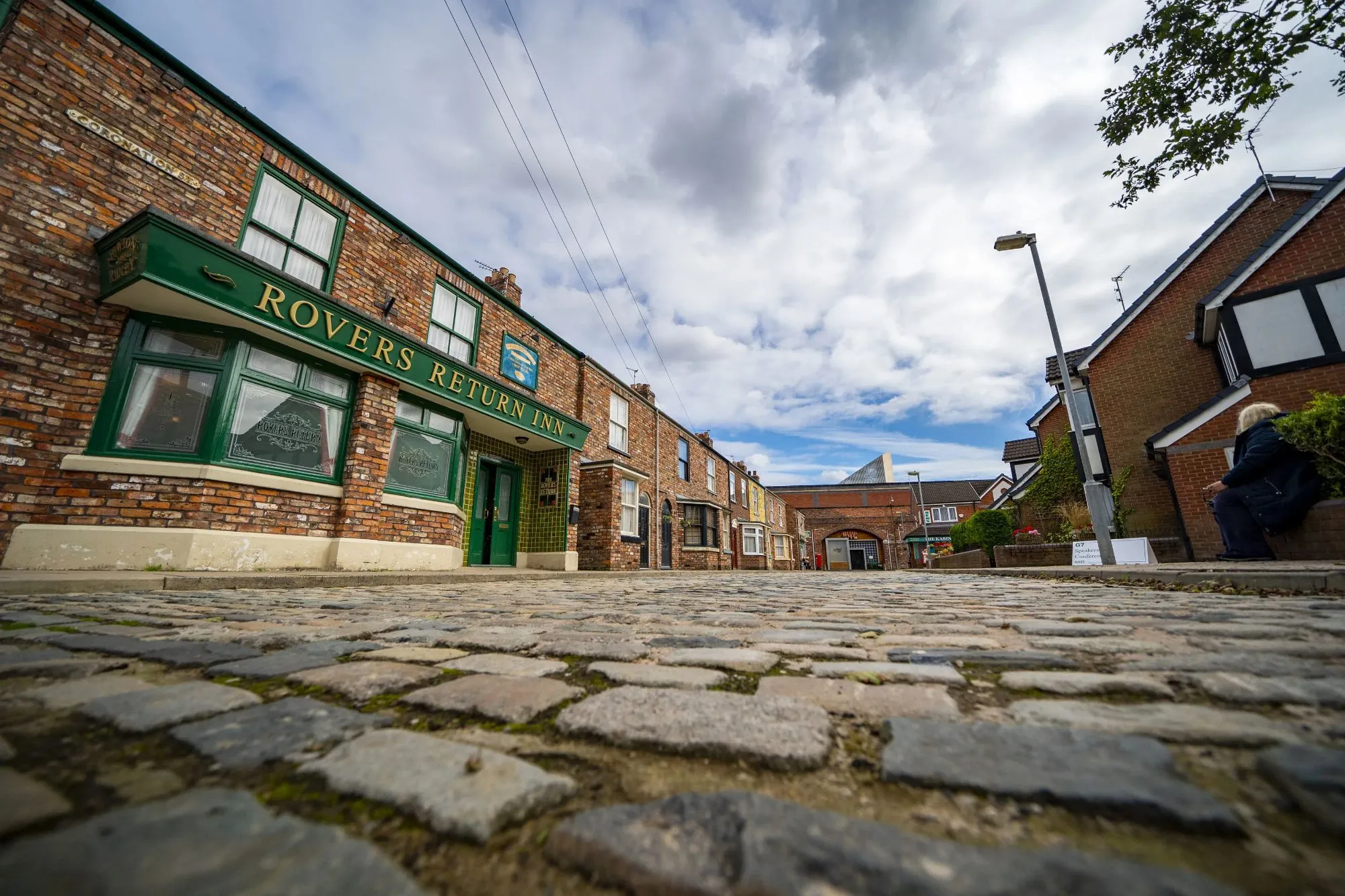
Some of those first conversations about a favourite couple or storyline have developed into lasting friendships that continue long after the original storyline has moved on.
Fans who may once have watched their favourite soap alone can now find themselves travelling together, attending events, sharing holidays or simply meeting for coffee with people they would never have known without those online communities.
LGBTQ+ Fandom Reflects A Changing Britain
The growth of LGBTQ+ soap fandoms also reflects wider changes in British society. According to the Office for National Statistics, around 3.8 percent of the UK population aged 16 and over identified as lesbian, gay or bisexual in 2023, compared with 2.2 percent in 2018.
Among people aged 16 to 24, the figure was 10.4 percent. Stonewall has also highlighted that bisexual identification among 16 to 24 year olds more than doubled between 2018 and 2023, rising from 2.8 percent to 7.5 percent.
As more people openly identify as LGBTQ+, it makes sense that online LGBTQ+ fan communities have also become more visible, active and influential. Viewers are not simply looking for representation on screen, they are also looking for places where they can discuss it, celebrate it and connect with people who understand why those stories matter.
Why Soaps Create Such Strong Fandoms
This is particularly important with long running soaps. EastEnders, Emmerdale, Coronation Street and Hollyoaks are not limited dramas that disappear after six or eight episodes, and their characters can remain part of viewers' lives for years.
That gives soaps an opportunity to show LGBTQ+ characters experiencing ordinary family life, relationships, careers, friendships and community alongside the larger dramatic storylines. For viewers who have historically seen LGBTQ+ characters appear briefly before disappearing, that kind of long form storytelling can be especially powerful.
Sukeve, RobRon And Swarla
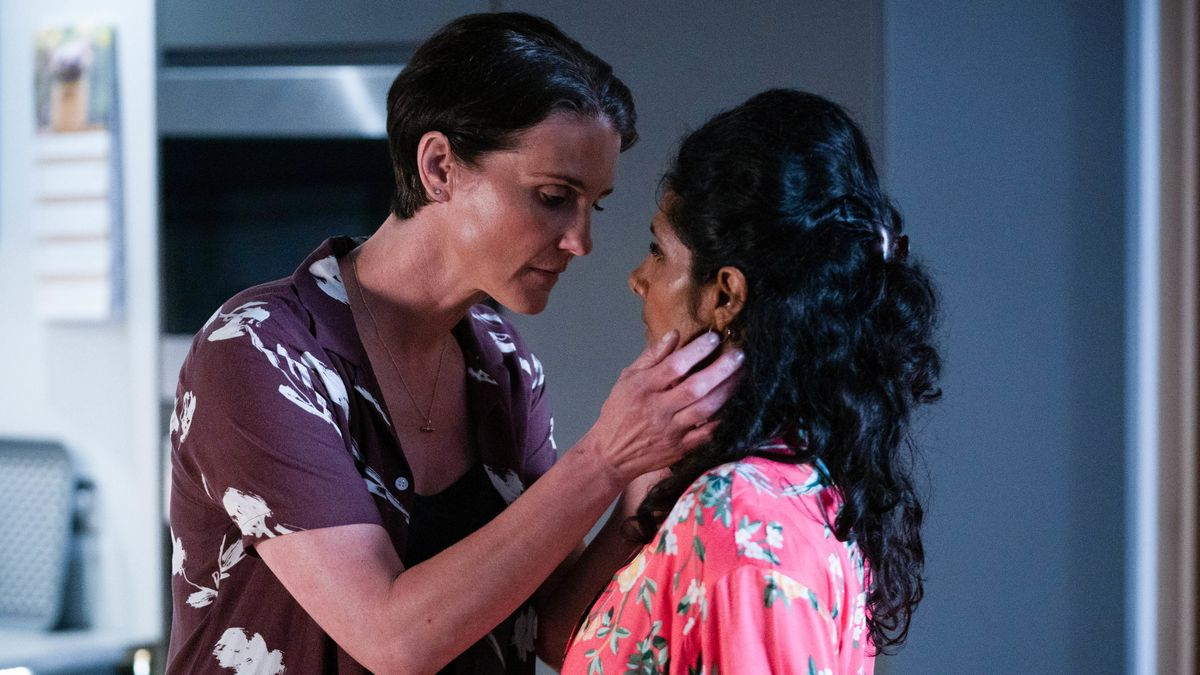
Sukeve's fantastic journey in EastEnders has given viewers an amazing story involving secrecy, identity, culture, marriage and the exciting developments as they build a new future together.
Suki and Eve have moved through very different stages of their relationship while remaining part of the wider Panesar Unwin and Slater family stories.
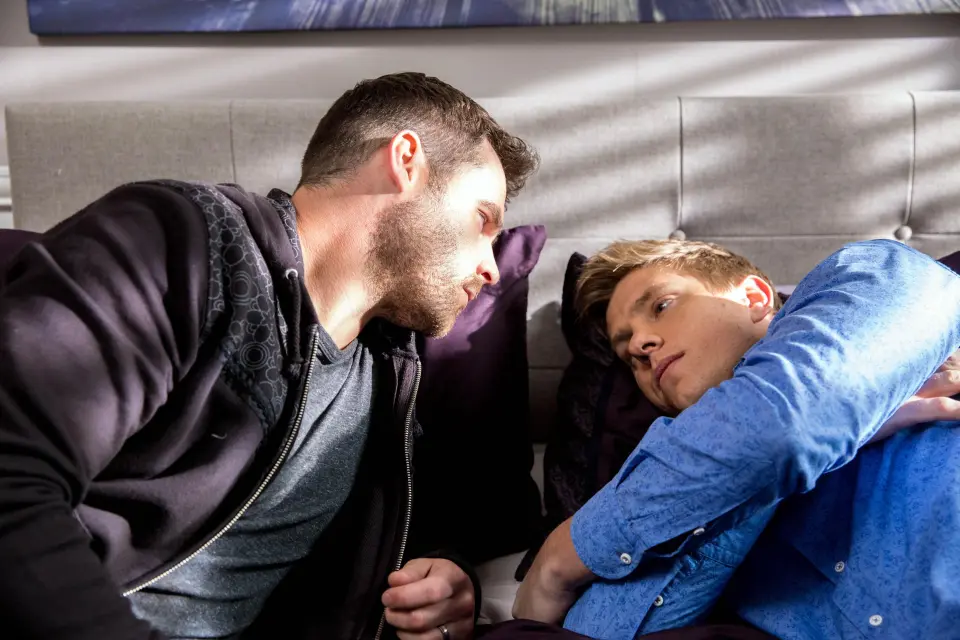
RobRon's history in Emmerdale has made Aaron and Robert one of the most recognised and loved male soap pairings of the modern era.
Their history stretches across years of love, separation, heartache, family drama and enormous viewer investment that has continued even when the characters have spent time apart.
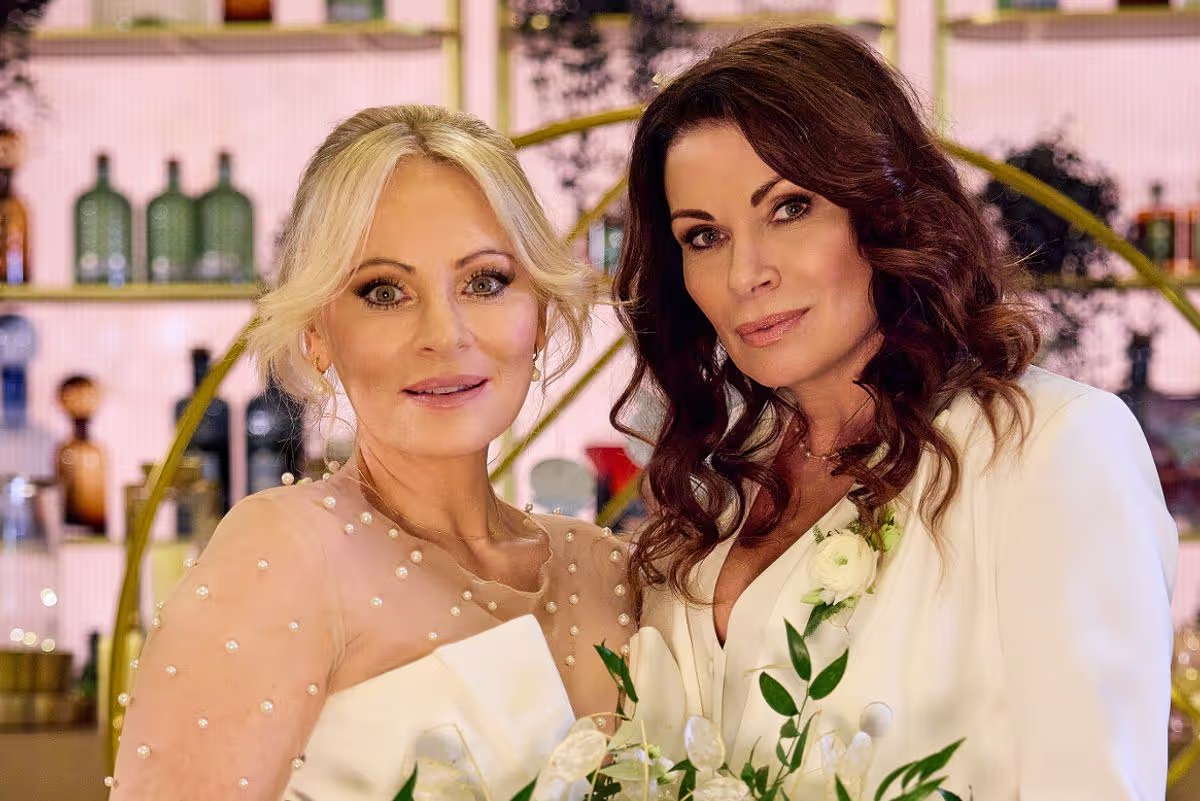
Swarla in Coronation Street has developed a passionate dedicated online following around Carla and Lisa Connor-Swain.
Their relationship has connected particularly strongly with viewers who have wanted to see a mature, sometimes complicated and emotionally grounded lesbian relationship at the centre of one of ITV's biggest soaps.
Fandom Is About More Than Romance
These fandoms do not exist only to celebrate romantic moments. They also give people somewhere to talk about family acceptance, grief, coming out, identity, trauma, recovery and hope, often using fictional storylines as the starting point for much wider conversations.
A storyline can begin as entertainment but become something far more personal once viewers start discussing their own experiences. That does not mean every fandom conversation has to become serious, because much of the appeal is also simply having somewhere to laugh, share edits, speculate about spoilers and celebrate favourite characters.
Private groups can make that sense of connection even stronger. Smaller communities sometimes allow fans to get to know one another beyond the storyline itself, turning people who initially connected because of a soap couple into genuine friends.
The Other Side Of Online Communities
For the vast majority of fans, online soap communities are positive spaces built around friendship, shared interests and a genuine sense of belonging. They give viewers somewhere to celebrate the characters and relationships they love, meet people with similar interests and stay connected long after an episode has finished.
That does not mean every online experience is positive. Like any part of social media, soap fandoms can occasionally become intense, particularly when viewers disagree over characters, relationships, storylines or the direction a programme is taking.
Online bullying, harassment and hostile behaviour are still very real problems, and sometimes arguments that begin over television can become far more personal than they should. The anonymity of social media can make it easier for people to say things they would probably never say face to face, which is why respectful and well moderated fan spaces are so important.
More recent research from Internet Matters found that most children still feel safe online, although that sense of safety has declined. Its 2025 index reported that 77 percent of children said they felt safe online, compared with 81 percent the previous year, while vulnerable children were less likely to feel safe than their non vulnerable peers.
Those figures are a reminder that positive online communities still need boundaries, good moderation and consideration for the people taking part. For younger viewers in particular, being part of a fandom should feel enjoyable and supportive rather than becoming another source of pressure or conflict.
Thankfully, the negative side of fandom is not the whole story. For many people, these communities have created something genuinely positive, from having someone to message after a big episode to finding a group of friends who understand exactly why a particular storyline matters so much.
Some of those friendships stay online, while others move into real life through set visits, fan conventions, meet ups and trips together. What begins with two people talking about a soap couple can become a friendship that lasts long after that storyline has ended.
That is perhaps the strongest reason these communities matter. The characters may be fictional, but the friendships, support and sense of belonging that grow around them are real. Very real.