Is Prisoner: Cell Block H Still Worth Watching Today? What Has Aged Well And What Feels Dated
Is Prisoner: Cell Block H still worth watching today? We examine what feels dated, what still works and why modern viewers should try it.


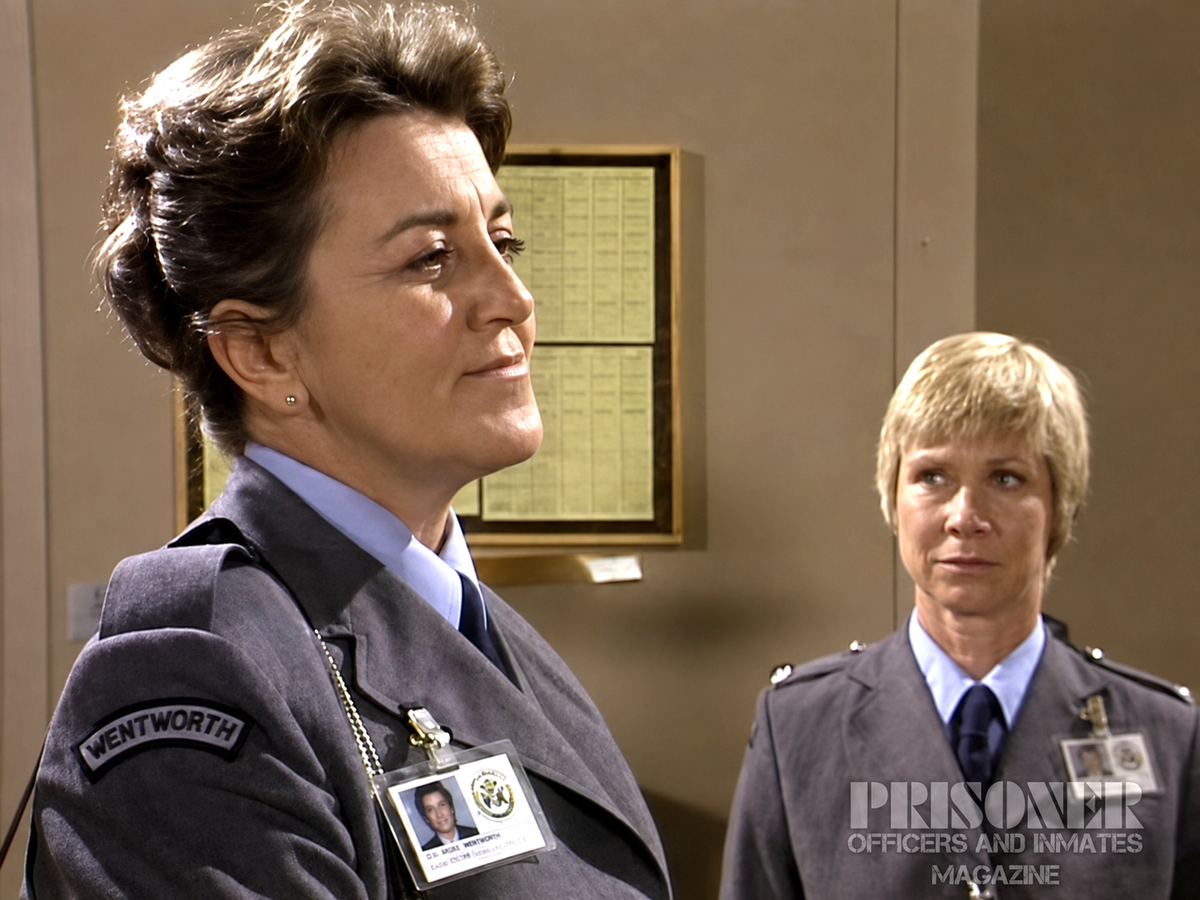
Starting a television drama from 1979 can feel like a commitment, especially when it runs for 692 episodes and looks very different from the polished productions now filling streaming services. Prisoner: Cell Block H has plainly visible sets, theatrical performances and a slower style of storytelling, but those qualities only tell part of its story
The real appeal of Prisoner lies in its women, its moral complexity and its willingness to explore difficult subjects through characters viewers were encouraged to understand rather than simply judge. It may belong to another television era, but much of what happens inside Wentworth Detention Centre remains unexpectedly powerful.
What Is Prisoner: Cell Block H About?
Known simply as Prisoner in Australia, the drama began on Network Ten in 1979 and followed the inmates and staff of the fictional Wentworth Detention Centre. It continued for nearly eight years before ending with its 692nd episode in 1986
The series initially introduces newcomers Karen Travers and Lynn Warner, but the focus quickly expands to a large group of women living and working inside Wentworth. Bea Smith, Lizzie Birdsworth, Doreen Anderson, Franky Doyle, Meg Jackson and Vera Bennett helped establish the relationships, rivalries and power struggles that would drive the programme.
Does Prisoner Look Dated Today?
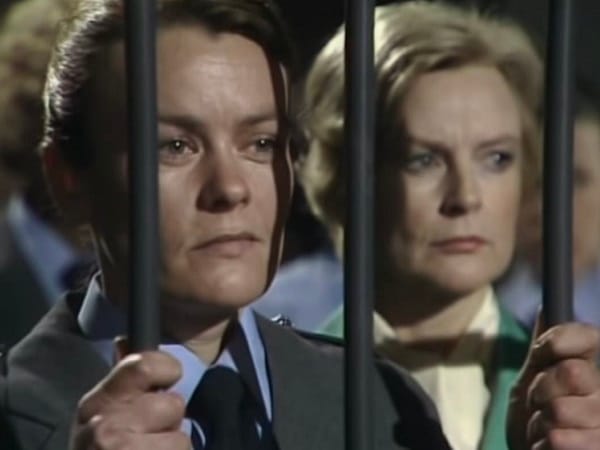
There is no point pretending that Prisoner looks like a modern drama, because its age is apparent almost immediately. The lighting can be harsh, the sets sometimes feel restricted and important confrontations are often staged through long conversations rather than elaborate action sequences.
Some dialogue, terminology and attitudes also reflect the period in which the programme was produced. A modern audience may find certain portrayals uncomfortable or simplistic, particularly when the series tackles sexuality, mental health, race and abuse.
The slower pace requires adjustment, but it also gives the characters room to develop. Friendships, grievances and shifting loyalties are allowed to grow across many episodes, which can make later betrayals and losses feel more personal.
What Has Aged Well?
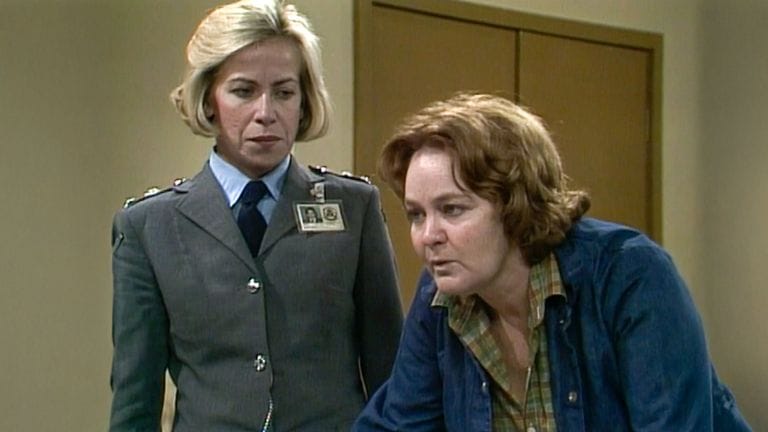
The programme’s strongest quality is its commitment to placing complicated women at the centre of the story. Its inmates and officers can be compassionate, selfish, frightening, vulnerable and funny, sometimes within the same episode.
Bea may protect vulnerable prisoners while maintaining her authority through intimidation. Vera can behave harshly while revealing insecurity and loneliness, while Meg’s compassion does not prevent her from making mistakes or facing consequences.
This depth helps the drama survive its limited production values. The memorable scenes tend to depend on performances, relationships and moral choices rather than expensive spectacle, allowing the emotional material to remain effective long after the visual style has aged.
Why Prisoner Still Has Value For A Modern Audience
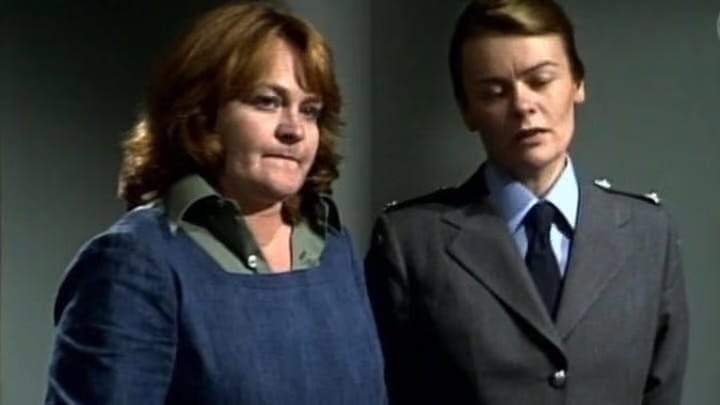
Prisoner gave substantial roles to women of different ages and backgrounds at a time when television did not always treat their stories as leading material. The programme challenged accepted ideas surrounding womanhood, sexuality, imprisonment and the roles women were expected to occupy on television.
The series explored incarceration, sexual assault, violence and homosexuality, alongside questions about rehabilitation and the treatment of women within institutions. Its handling of those subjects was shaped by its period and should not be viewed as flawless, but the decision to make them part of a continuing mainstream drama was significant.
Its women were not presented through glamour or idealised prison imagery. The tired worn uniforms, minimal make-up and oppressive surroundings reinforced the idea that the audience was entering a difficult institution where dignity, identity and control could all be taken away.
Why Wentworth Viewers Should Watch Prisoner
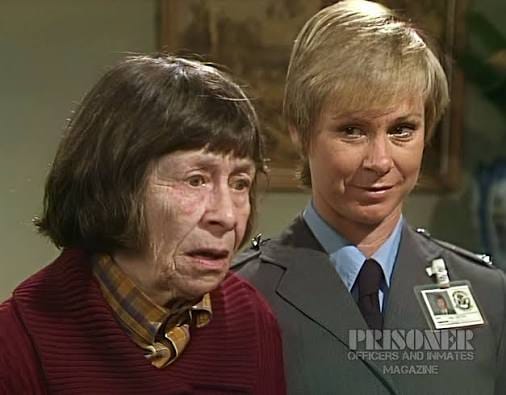
Viewers who discovered Wentworth Detention Centre through Wentworth will recognise names including Bea Smith, Franky Doyle, Vera Bennett, Lizzie Birdsworth and Joan Ferguson. The original characters are not identical to their later versions, and their stories frequently move in completely different directions.
That separation is one of the best reasons to watch both productions. Wentworth is a modern reimagining rather than a continuation, so familiarity with one series does not reveal exactly what will happen in the other.
Prisoner offers more episodes, a broader rotating cast and the continuing rhythm of a traditional serial drama. Wentworth is more concentrated and visually intense, but the original has considerably more time to explore daily life, unlikely friendships and the consequences of long-term imprisonment.
Is 692 Episodes Too Much For A New Viewer?
The episode total can appear overwhelming, but nobody needs to approach Prisoner as something that must be completed quickly. It was created as an ongoing serial and works best when watched gradually, allowing its large cast and overlapping stories to settle naturally.
Starting with the first episode is still the most rewarding option because it introduces Wentworth’s hierarchy and several defining relationships. The early production takes time to find its rhythm, but it establishes the emotional foundations needed for many of the stories that follow.
Viewers who struggle initially may find that the programme becomes easier to appreciate once its characters feel familiar. What first appears slow can eventually become immersive, particularly when the shifting balance of power inside Wentworth begins to take hold.
Was Prisoner Successful When It Originally Aired?
The series expanded far beyond its original limited commission and was exported internationally. It developed a particularly strong following in the UK, where the title was extended to Prisoner: Cell Block H to distinguish it from another television series.
Prisoner also received Logie recognition, including awards for Most Popular Drama Series and Most Popular Show of 1980. Those honours demonstrate the scale of its contemporary popularity without suggesting that every element of the production should be judged in the same way today.
Where Can UK Viewers Watch Prisoner: Cell Block H?
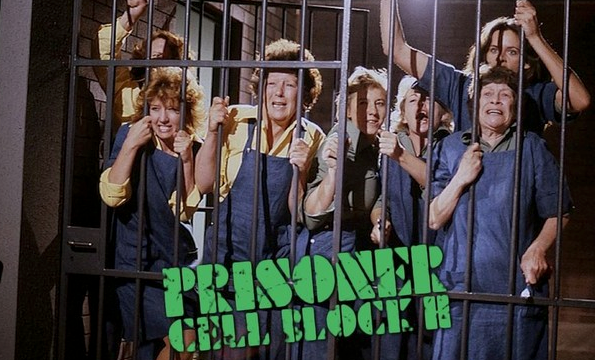
Channel 5 carries Prisoner: Cell Block H through its UK streaming service, with the programme organised across multiple season pages. Episodes have also appeared in the 5Select television schedule, maintaining the programme’s presence on both streaming and broadcast television.
Apple TV UK also has a programme listing for Prisoner: Cell Block H, although access and the number of available episodes may differ between services. Viewers should check the individual platform before beginning their watch, as streaming availability can be updated.
Is Prisoner: Cell Block H Still Worth Watching?
Prisoner is worth watching for viewers who value character-driven storytelling and are prepared to adjust to an older production style. Its sets, pacing and some of its language are unmistakably dated, but its strongest performances and relationships still have considerable impact.
It also remains valuable as a piece of television history that placed women, incarceration and institutional power at the heart of a long-running drama. Modern viewers should approach it with context rather than expecting every storyline to reflect current understanding, but that does not erase its ambition or emotional strength.
The series may require patience during its earliest episodes, yet those who become invested in Wentworth’s inmates and officers will discover far more than a nostalgic curiosity. Behind the ageing presentation is an involving drama about survival, loyalty and the different ways people respond when control over their lives is taken away.
Frequently Asked Questions:
Do I Need To Watch Wentworth Before Prisoner?
No, because the two programmes tell separate versions of Wentworth Detention Centre and its characters. Watching Wentworth may make certain names familiar, but it is not required to understand the original series.
Should New Viewers Start With The First Episode?
Starting from the beginning is recommended because the opening episodes establish the prison hierarchy and several important relationships. The programme develops gradually, so beginning later can remove some of the context behind its earliest rivalries and friendships.
Is Prisoner More Like A Soap Or A Modern Prison Drama?
Prisoner is structured as a continuing serial, with a large ensemble and stories that overlap across many episodes. It contains some strong violence and serious social issues, but its storytelling rhythm is closer to a traditional soap than the tightly structured seasons of Wentworth.
Does Prisoner Improve After The Early Episodes?
The opening episodes establish the programme’s world, but the storytelling becomes broader as new inmates and officers arrive. Viewers who find the initial pace difficult may respond more strongly once the relationships and power struggles have had time to develop.
Prisoner: Cell Block H is available to watch through Channel 5 and Apple TV in the UK. Follow more Prisoner and Wentworth news, features and classic television coverage on SoapLandTV, with more articles from inside Wentworth Detention Centre.
All image credits: Fremantle