ING Bank Tests AI Concert Ticket Payments in Europe: What Agentic Payments Mean for Fans
ING has tested an AI-powered concert ticket purchase in Europe. Here’s how agentic payments work and what they could mean for fans.

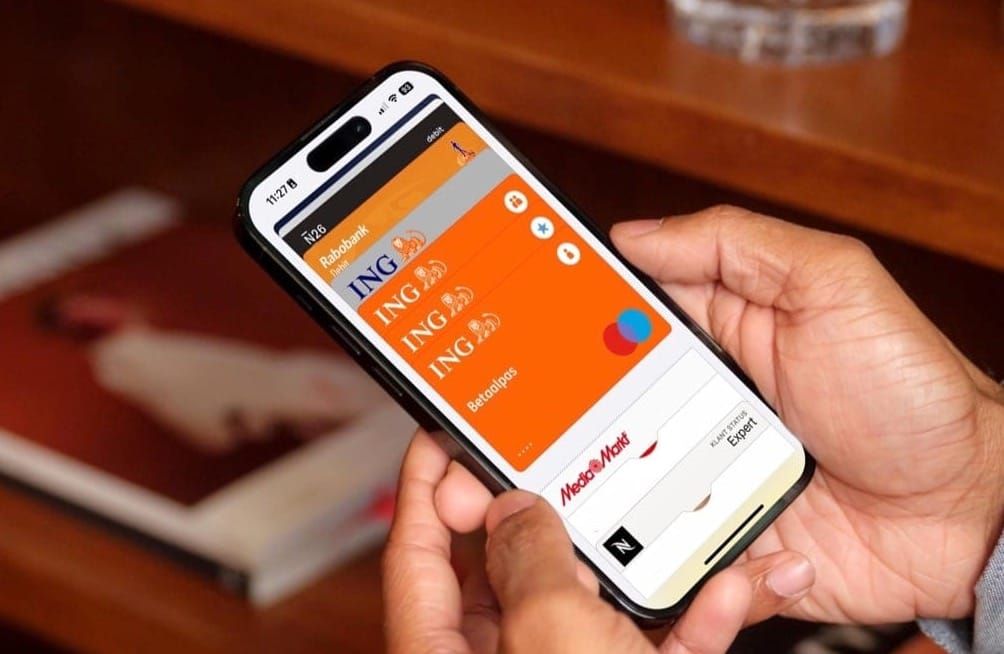
Artificial intelligence is already helping people search for concerts and compare tickets, but a European payment test has taken things a step further. An AI assistant was allowed to find concert tickets and complete the payment after the customer approved what it had found.
The test brought together Dutch bank ING, payment company Worldline and Mastercard, with tickets purchased from the Royal Concertgebouw Orchestra in Amsterdam. The companies described it as Europe’s first live end-to-end agentic payment transaction carried out in a production environment.
The customer explained what they wanted
The process started with the customer telling an AI assistant what kind of experience they were looking for, including suitable dates and a budget. The system searched for available options and presented a selection of concert tickets.
The customer then chose the option they wanted and approved the purchase. Once that approval was given, the AI handled the remaining booking and payment steps.
A simple example would be someone asking for two orchestra tickets in Amsterdam on a Saturday for under €120. The AI could search the available options, present suitable matches and, after the customer selected and approved one, complete the checkout using the authorised payment method.
That approval is crucial. The test did not involve an AI deciding what somebody should buy and spending their money without permission.
What is an agentic payment?
Agentic AI refers to systems that can carry out actions towards a goal instead of simply answering questions. An ordinary AI assistant might tell you where a concert is taking place, while an agentic system could search for tickets, compare the options and carry out parts of the booking process.
Agentic payments take that idea into the financial stage. Once the customer has given permission, the AI can interact with the merchant and payment systems needed to complete the purchase instead of stopping at a recommendation.
The concert-ticket test used existing payment infrastructure, with the bank still involved in authenticating and authorising the transaction. That matters because allowing AI to carry out a purchase does not mean removing the security checks already used for electronic payments.
This does not give AI unrestricted access to your funds
The idea of an AI spending money naturally raises concerns about control. Customers need to understand what the assistant is allowed to buy, how much it can spend and when it must return to them for additional approval.
ING says these interactions remain assisted at this stage, with people retaining control over important decisions. Future systems could become more autonomous, but only within boundaries set by the customer.
For example, someone could eventually allow an AI assistant to search for concert tickets within a set budget without giving it permission to spend more than that amount. Clear spending limits and approval steps would be essential if the technology became widely used.
What happens if the AI makes a mistake?
This is where agentic payments become more complicated. If an AI buys the wrong date, wrong seat or wrong ticket type, customers will need to know who is responsible and how refunds or disputes are handled.
Existing ticket conditions, merchant policies and payment protections would still be relevant, but automated purchasing creates new questions about where responsibility sits when the mistake happens during an AI-assisted decision.
That matters particularly for concerts and other live events, where tickets can be tied to fixed dates and may have restrictions on refunds or transfers. Convenience will only be useful if mistakes can be resolved clearly and quickly.
Privacy will matter too
An AI agent helping with a concert purchase may need information about the customer’s budget, location, dates and seating preferences. Payment information and account details may then become part of the transaction once the purchase begins.
Users should check how their information is handled by the AI service, bank, merchant and payment provider, particularly as personalised assistants become more deeply involved in booking and spending decisions.
Why concert tickets make sense as a test
Concert tickets are a useful example because booking often involves several choices at once. Fans may need to compare dates, prices, seating areas and availability before deciding which option works.
AI could reduce some of that repetitive searching while still leaving the final decision with the customer. The technology becomes more useful when it handles the administrative work around the experience rather than trying to replace the experience itself.
The Royal Concertgebouw Orchestra transaction is significant because it moved agentic payments beyond a theoretical demonstration. A customer made the choice, approved the purchase and the AI completed the remaining process using established banking and payment systems.
From finding entertainment to buying it
AI is gradually moving deeper into the practical side of entertainment. Systems are already being developed to help audiences find events, compare tickets and organise travel, while this test shows that AI can also be authorised to complete the financial transaction.
For fans, the attraction is convenience. If an AI can reliably handle the repetitive parts of finding and buying tickets while leaving the important decisions with the customer, planning a night out could become considerably easier.
The bigger challenge will be trust. As AI moves from recommending entertainment to being authorised to spend money on it, clear controls, secure approval and straightforward ways to deal with mistakes will be just as important as speed.
For more on how artificial intelligence is changing music, film, television and live entertainment, visit the AI & Entertainment hub on SoapLandTV.co.uk.
Sources: Official information from ING, Worldline and Mastercard covering the Royal Concertgebouw Orchestra agentic payment test.